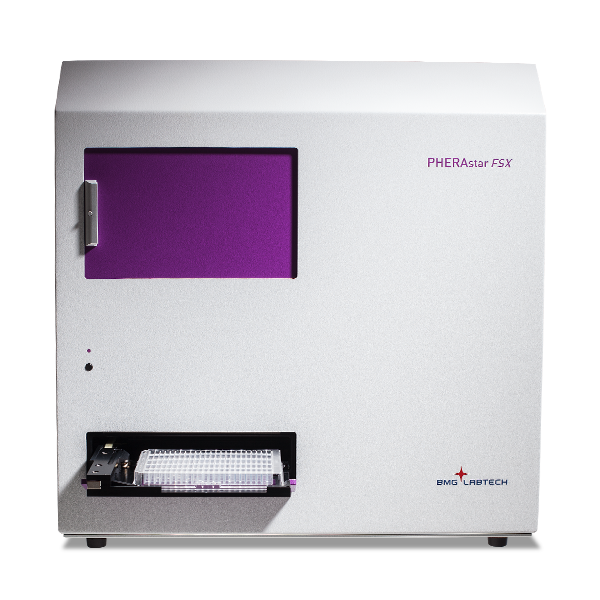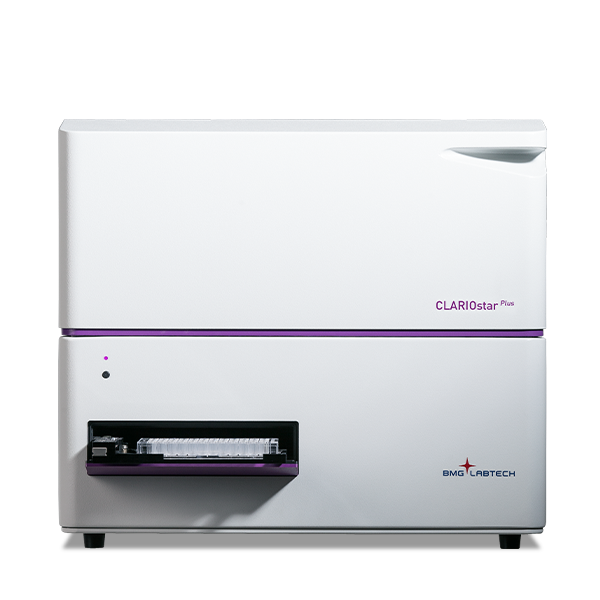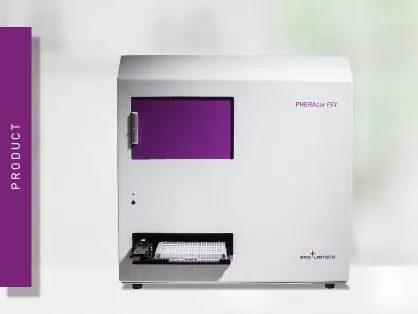
PHERAstar FSX
Powerful and most sensitive HTS plate reader





Barry Whyte is Application Scientist and Science Writer at BMG LABTECH in the United States. He has PhD and Bachelor of Science (BSc) degrees in biochemistry from the University of Bristol in the United Kingdom and more than 20 years of experience in the life sciences and science communications. Over the years, Barry has worked on three continents and traveled widely. He enjoys building on his international work experience and learning new ways to help scientists advance their research.

Mitochondria are often referred to as the powerhouses of the cell since they produce most of the adenosine triphosphate (ATP) that serves as the primary energy source to support cellular function. However, the contribution of mitochondrial metabolism to cellular function is not limited to the production of ATP. Mitochondrial metabolism is essential on many fronts including crucial anabolic and catabolic processes that provide diverse molecules and energy sources to support life. For example, mitochondria are home to several core metabolic pathways including the citric acid cycle (tricarboxylic acid cycle, Krebs cycle), oxidative phosphorylation, and the beta-oxidation pathway for fatty acid degradation. The metabolic pathways of amino acids are also largely associated with mitochondria. In addition, mitochondria generate reactive oxygen species and are involved in the initiation and regulation of apoptosis (programmed cell death).
Intact mitochondrial metabolism is also critical for immunological functions and cellular regulation, as many immune responses depend on the proper functioning of mitochondrial pathways.
In this blog, we look at the different aspects of mitochondrial metabolism and discuss some of the often-encountered ways to measure it. Mitochondria exhibit metabolic flexibility, allowing cells to switch between different energy substrates, such as glucose and fatty acids, based on cellular demands and nutrient availability, which is essential for maintaining energy homeostasis. Furthermore, mitochondria play a crucial role in cancer by providing building blocks for tumor anabolism, controlling redox and calcium homeostasis, and participating in transcriptional regulation and cell death.
Mitochondria are highly dynamic, double-membraned organelles that serve as the central hub for cellular metabolism and energy production in eukaryotic cells. The inner mitochondrial membrane is densely packed with proteins and the unique lipid cardiolipin, forming extensive folds known as cristae. These cristae dramatically increase the surface area available for oxidative phosphorylation, the major metabolic process responsible for ATP synthesis. The outer mitochondrial membrane, in contrast, is more permeable, allowing the exchange of ions and small molecules necessary for cellular metabolism.
Within the mitochondrial matrix, critical metabolic pathways such as the citric acid cycle and fatty acid oxidation take place, generating the substrates required for the electron transport chain embedded in the inner mitochondrial membrane. The intermembrane space, situated between the inner and outer membranes, contains proteins that regulate apoptosis and cellular signaling, directly influencing cell death and survival. Mitochondria influence multiple processes, including cell proliferation, cell death, and metabolic regulation, making them essential not only for maintaining cellular energy but also as promising targets for cancer therapy. Disruption of mitochondrial function or the integrity of the mitochondrial membrane can lead to severe consequences for cellular energy homeostasis and is implicated in a range of diseases, including cancer and neurodegeneration. Thus, understanding the structure and function of mitochondria is fundamental to advancing research in mitochondrial and cellular metabolism and developing novel therapeutic strategies.
.
Like cellular metabolism, biochemistry, cell biology, and molecular biology have shaped much of what is known today about mitochondrial metabolism in the life sciences.1-3 The mitochondrion was first described as part of the cell around the middle of the 19th century and work continued to more clearly characterize this membrane-bound organelle over the next 50 years. By the middle of the 20th century, the essential architecture of mitochondrial metabolism was put in place with the discovery of the core metabolic pathways, the localization of reactions and enzymes, the delineation of the electron transport chain, and establishment of the mechanism of ATP production (preceded by the chemiosmotic theory proposed by Peter Mitchell).
Here, we briefly outline each of these major pathways before turning to measurement options for the different aspects of mitochondrial metabolism.
The citric acid cycle (tricarboxylic acid cycle, Krebs cycle), which takes place within mitochondria, is the pathway for the oxidation of fuel molecules (carbohydrates, amino acids, and fatty acids) within the cell. Most fuels enter the citric acid cycle as acetyl CoA (Fig.1).
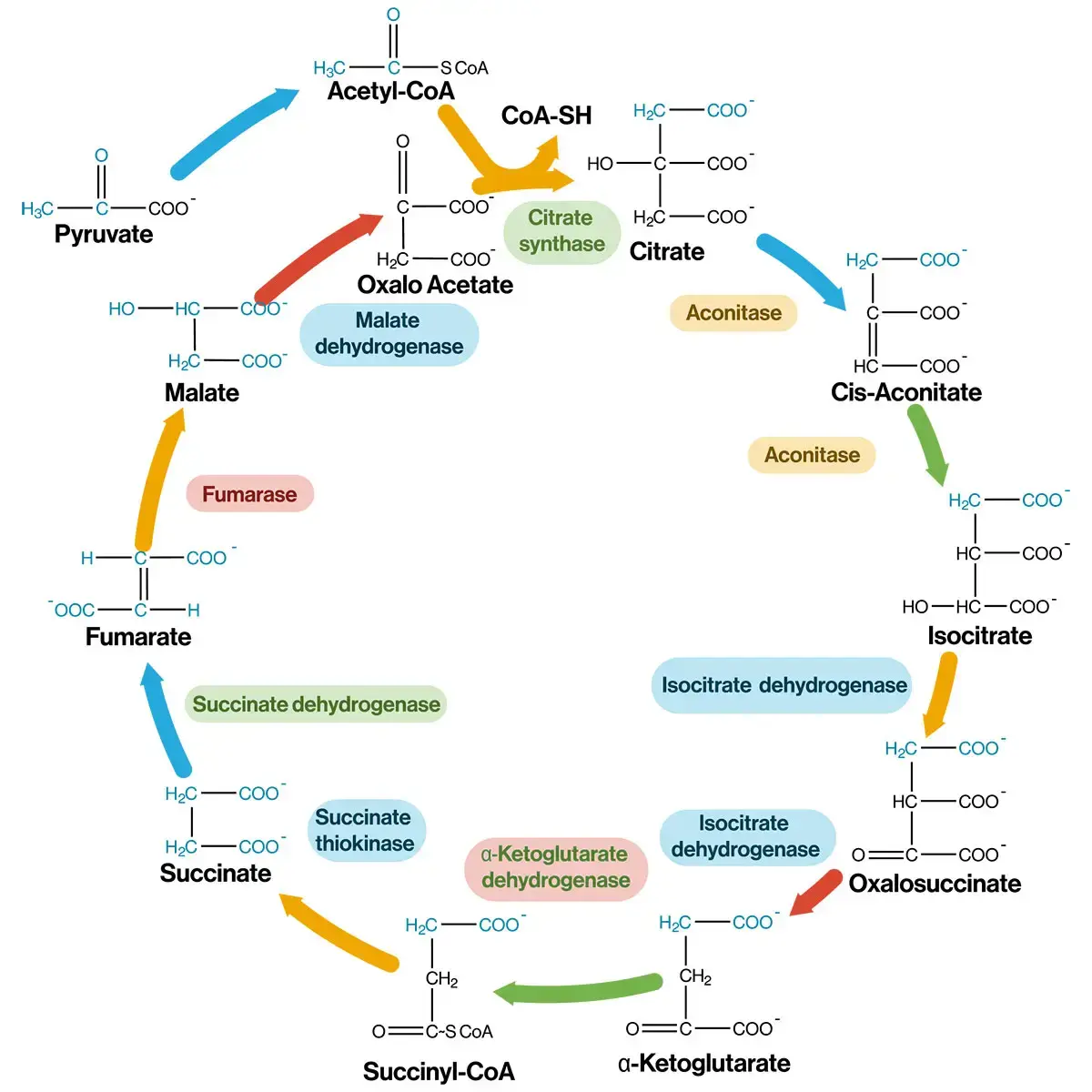
One acetyl unit, when oxidized, generates one molecule of GTP, three molecules of NADH and one molecule of FADH2. NADH and FADH2 generated from the citric acid cycle donate electrons to the electron transport chain, the next step in the energy-generating processes of the mitochondria.
NADH and FADH2 are energy-rich molecules because each have a pair of electrons that have a high transfer potential. Oxidative phosphorylation appears as the process by which ATP is formed in the mitochondria as electrons are transferred from these energy-rich molecules to oxygen by a series of electron carriers (Fig. 2).4 In oxidative phosphorylation, the production of ATP is coupled to the flow of electrons from NADH and FADH2 to oxygen by a proton gradient across the inner mitochondrial membrane. This proton gradient is an electrochemical gradient essential for ATP production and cellular regulation. The electron transport chain consists of four complexes that receive electrons from NADH and FADH2, passing them through redox reactions to oxygen, the final electron acceptor. Electrons flow through the transmembrane complexes shown in Fig. 2 which results in protons being pumped outside of the mitochondrial matrix and the generation of a membrane potential. As these protons flow back into the matrix through ATP synthase, the enzyme responsible for synthesizing ATP, ATP is produced as the electrochemical gradient is dissipated. 36 molecules of ATP are generated when a molecule of glucose is completely oxidized to carbon dioxide and water. Electron transport through the series of electron carriers in the inner mitochondrial membrane is tightly coupled to phosphorylation.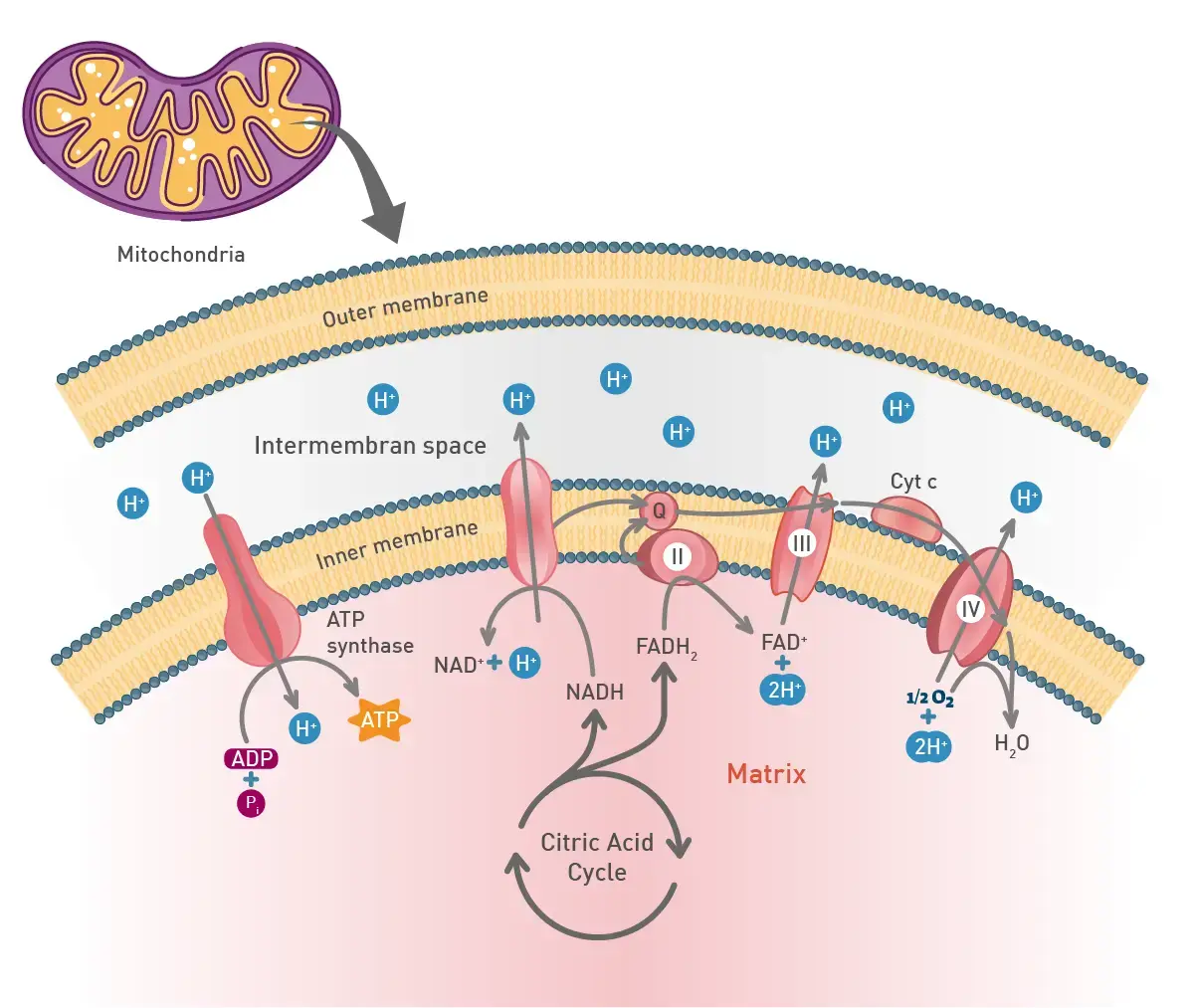
The NAD/NADH ratio is an informative redox metric of the metabolic events described in the previous two sections. It reflects the functional state of mitochondrial respiration and gives a sense of the balance between substrate oxidation (citric acid cycle) and electron transport (oxidative phosphorylation). A high NAD/NADH ratio indicates good electron transport activity, active oxygen consumption and high oxidative phosphorylation. If mitochondria are functioning well, NADH is rapidly oxidized and the NAD/NADH ratio is high. This provides a real time proxy measurement for mitochondrial respiration which can be readily measured as we will see in the application section of this blog.
Mitochondrial metabolism also includes the degradation of fatty acids to acetyl CoA in the mitochondrial matrix by beta-oxidation.3 This is a cyclic process that also generates reducing equivalents effectively converting fat into useable cellular energy. The rate of fatty acid degradation in mitochondria is also tightly coupled to the need for ATP. Beta-oxidation is often measured as the oxygen consumption rate as we will see in the application section.
In addition to energy production, mitochondria play a central role in lipid metabolism, including the biosynthesis and trafficking of lipids essential for membrane integrity and cellular metabolic health.
Mitochondria not only degrade fatty acids but also perform mitochondrial fatty acid synthesis, which is crucial for mitochondrial respiration, the biosynthesis of key cofactors like lipoic acid, and the regulation of mitochondrial functions such as translation and electron transport chain assembly.
The pathways of mitochondrial metabolism are not isolated but form a highly interconnected metabolic network. Figure 3 shows how fatty acid metabolism, oxidative phosphorylation, and the citric acid cycle within the mitochondrion intersect with glycolysis and fatty acid synthesis.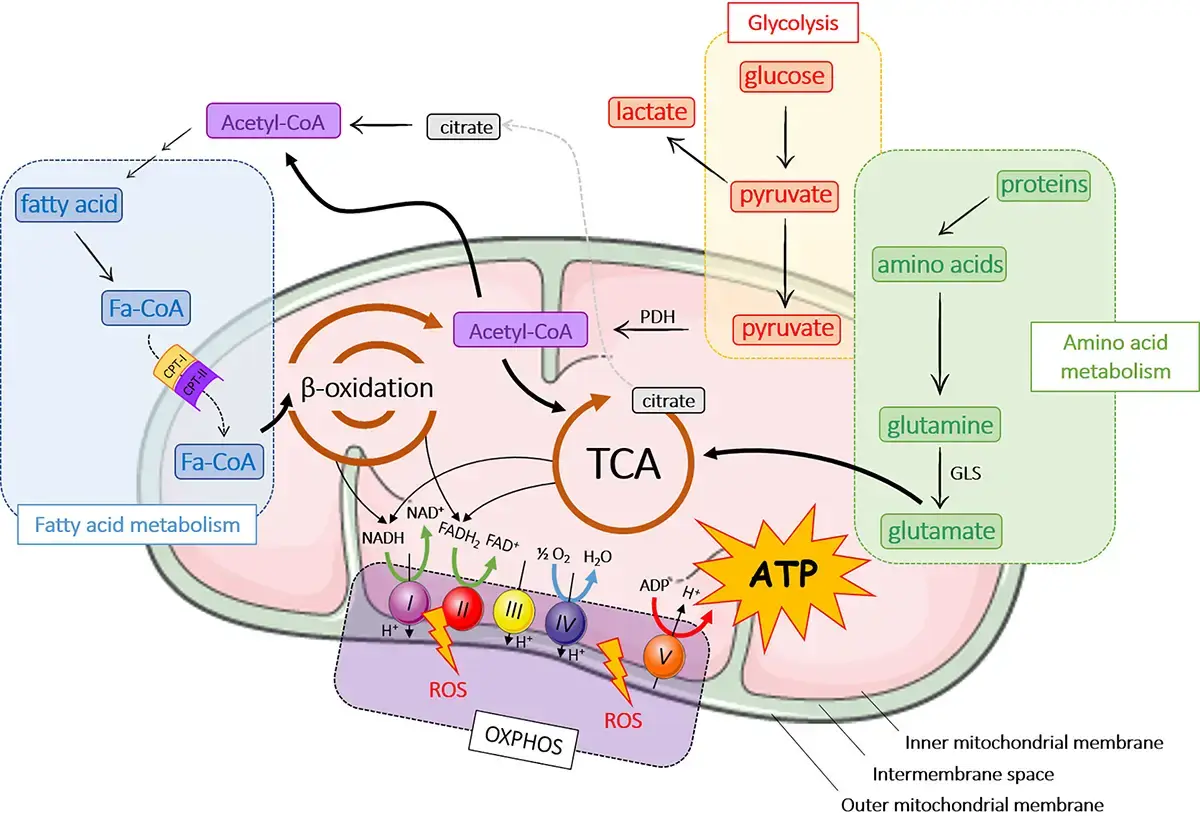
Other mitochondrial metabolism events are therefore not just directly linked to energy production but include the supply of carbon units, redox balance and the nitrogen-handling capacity needed to synthesize amino acids.
The citric acid cycle is the primary route where central carbon metabolism feeds into amino acid biosynthesis in mammalian cells. 5,6 Alpha-ketoglutarate is used to make glutamate the main amino-group donor for transamination reactions. Alpha-ketoglutarate is also involved in the synthesis of glutamine, proline and arginine. Oxaloacetate from the citric acid cycle also provides carbon units for aspartate and asparagine synthesis. If mitochondrial function is compromised, amino acid biosynthesis becomes a limiting step. While amino acid synthesis is distributed between the cytosol and mitochondria, mitochondria act as a key supplier of precursors for amino acid synthesis as well as a source of nitrogen via glutamate.
The central importance of mitochondria in the overall biology of the cell means that mitochondrial dysfunction can result in or contribute to debilitating diseases, including cancer, diabetes, neurodegenerative conditions and ischemic injuries. 7,8 Mitochondrial dysfunction is also linked to ageing and overall health due to its relationship with metabolism. Many factors can contribute to mitochondrial dysfunction including genetic mutations, aging, environmental factors, nutritional deficiencies, and metabolic disorders. The consequences of changes to mitochondrial metabolism for the cell can be dramatic mainly due to a reduction in the amount of ATP produced and an increase in the levels of reactive oxygen species.
In the application note ROS detection in a cell-based format using the Promega ROS-Glo™ assay the VANTAstar was used to make luminescence measurements of reactive oxygen species with crosstalk reduction and use of the Enhanced Dynamic Range feature. ROS-Glo™ measures the total cellular H2O2 arising from multiple sources of reactive oxygen species in the cell including the mitochondria. It is not mitochondrial specific but can be a good indicator of cellular levels of reactive oxygen species and can help to identify potential triggers of increased levels of reactive oxygen species.
Mitochondrial reactive oxygen species play a dual role in tumor biology, contributing to tumor cell proliferation, mutagenesis, and tumor diversification, while excessive reactive oxygen species overproduction can induce cell death or cellular senescence, thereby impeding tumor progression. Severe mitochondrial dysfunction can lead to cell death or cellular senescence, inhibiting tumor growth rather than promoting it. Mitochondrial dysfunction can promote malignant transformation through mechanisms such as the generation of excessive reactive oxygen species, accumulation of cancer metabolites, and increased resistance to regulated cell death. Additionally, mitochondria influence tumor progression by providing ATP and building blocks for malignant cell proliferation, and by supporting the metastatic cascade through optimal mitochondrial biogenesis and oxidative phosphorylation. You can read more about the impact of metabolism on cancer in the BMG LABTECH blog Understanding metabolism in cancer. You can read more about the link between mitochondrial dysfunction and neurodegenerative disease in the BMG LABTECH blog Mitochondrial dysfunction and neurodegenerative disease.
Microplate readers offer many capabilities that can be applied to the study of mitochondrial metabolism. They can be used to investigate mitochondrial respiration, metabolic activity, including oxygen consumption and ATP production. Microplate readers are also ideally suited for high-throughput screening assays related to mitochondrial metabolism. Applications in this context include screening for therapeutics that aim to improve mitochondrial function. In the next section, we look at some examples of these uses.
In many cases in mitochondrial metabolism applications, scientists are interested in either controlling or measuring the levels of oxygen or the oxygen consumption rate. Oxygen is the final electron acceptor in the electron transport chain, is directly involved in energy production, and oxygen levels directly impact the rate of respiration.
In the application note Real-time monitoring of intracellular oxygen using MitoXpress-Intra kinetic measurements of intracellular oxygen were made on a BMG LABTECH microplate reader equipped with an Atmospheric Control Unit using time-resolved fluorescence and reagent injectors. MitoXpress Intra is an ideal tool to monitor real-time changes in intracellular O2 concentration in response to treatments that perturb mitochondrial function and cell metabolism. In this application note, convenient real-time monitoring of intracellular oxygen was demonstrated in a monolayer of HepG2 cells. As the cells respire, the concentration of oxygen within the cell monolayer is depleted and this depletion is detected as an increase in probe signal. This allows real-time information on the concentration of molecular oxygen within the cell monolayer to be generated across multiple samples without a requirement for specialized imaging equipment. The ability to monitor such fluctuations allows the assessment of transient changes in metabolic activity and provides access to a critical parameter in the study of hypoxia which is beyond the capacity of extracellular sensing methods.
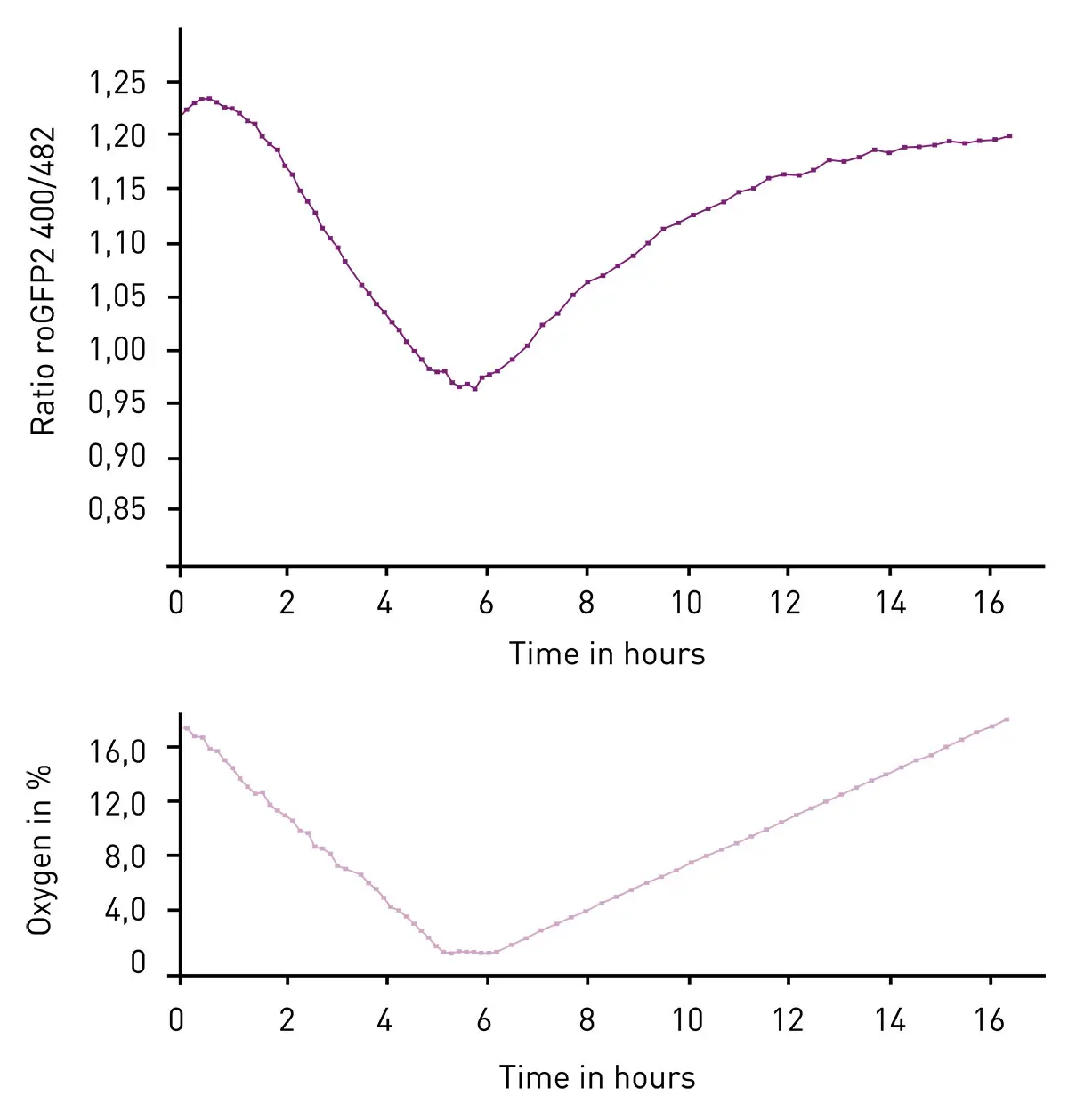
In the application note Mitochondrial oxidant generation follows oxygen deprivation and re-oxygenation a CLARIOstar equipped with an Atmospheric Control Unit was used to make fluorescence measurements for different probes using either filters or the LVF Monochromator. The influence of oxygen availability on the redox state of a mitochondrial peroxiredoxin-based probe (roGFP2) was measured using filters on the CLARIOstar (Fig. 4). Oxygen pressure modulated the redox state of a genomic-integrated Mito-roGFP2-Tsa2∆CR probe. roGFP2 oxidation was represented by the 400nm/480nm ratio that is indicative of H2O2 generation. At lower oxygen saturation, the amount of the reduced probe increased as reported by lower roGFP2 ratios. When the oxygen was kept at 1 % (5-6.5 h), the probe persists in its reduced form and gets oxidized only in the phase of re-oxygenation. The probe is immediately oxidized as soon as more oxygen is available.
Researchers interested in mitochondrial metabolism may in many cases want to make several measurements of different parameters in parallel (multiplexing). The example from the application note The CLARIOstar with ACU exposes cells to ischemia-reperfusion conditions and monitors their oxygenation shows how oxygen levels can be controlled and measured in parallel to other parameters such as the mitochondrial membrane potential and level of reactive oxygen species (Fig.5). An Atmospheric Control Unit allowed oxygen levels to be changed rapidly while detailed metabolic measurements could be made using the intracellular probes MitoXpress Intra and JC-1 using time-resolved fluorescence and fluorescence measurements, respectively. In this case, the scientists were interested in studying changes impacting cardiovascular disease (hypoxia reperfusion simulation) but the system is also directly relevant to a wide range of diseases and disorders where changes in metabolism exert their effects.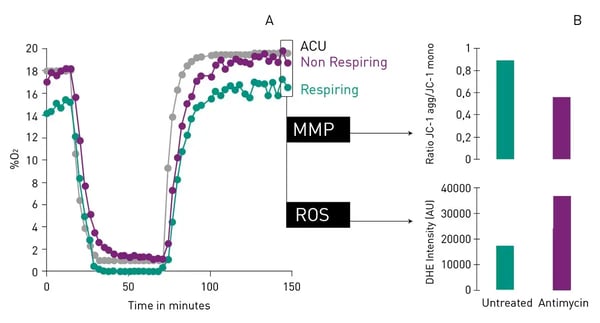
ATP is one of the most ubiquitous metabolites and key energy currency in any type of metabolic event. Different options are available to assess ATP levels quantitatively. In the application note Viability assays: a comparison of luminescence-, fluorescence-, and absorbance-based assays to determine viable cell counts luminescence was used to measure ATP in CellTiter-Glo assays required for the conversion to oxyluciferin. The use of the Enhanced Dynamic Range feature and automatic focus adjustment on the VANTAstar® eliminated the need for a preliminary gain or focus optimization for the luminescence measurements.
In the application note Promega ENLITEN kit performed on a BMG LABTECH microplate reader a luminescence-based assay was used to detect ATP levels. This method is suitable for higher throughput measurements with good sensitivity and reproducibility. ATP was introduced into each assay using the built-in reagent injector of the microplate reader. CellTiter-Glo® is also widely used for high-throughput cell viability assays in screening experiments, for example for compound toxicity screens or to identify compounds that selectively kill cancer cells.
In the application note Overview of ELISA assays and NADH/NADPH conversion detection the main absorbance assays, including NADH/NADPH conversions, were measured using spectrometer-based microplate readers. As we saw earlier, the NAD/NADH ratio is an informative redox metric for mitochondrial metabolism.
In the case of NADH conversions, the reaction can be monitored by measuring the absorbance at 340 nm since the oxidized forms do not absorb light at this wavelength. This can be rapidly and accurately done using the ultrafast spectrometer. The microplate readers from BMG LABTECH can all be equipped with the ultrafast spectrometer that can capture the full-absorbance data at a resolution of 1 nm for all wavelengths from 220 to 1000 nm in less than one second per well. The absorbance spectra for the conversion of NAD+ to NADH are shown in Fig. 6 and the relevant data can be readily used to calculate the NAD/NADH ratio.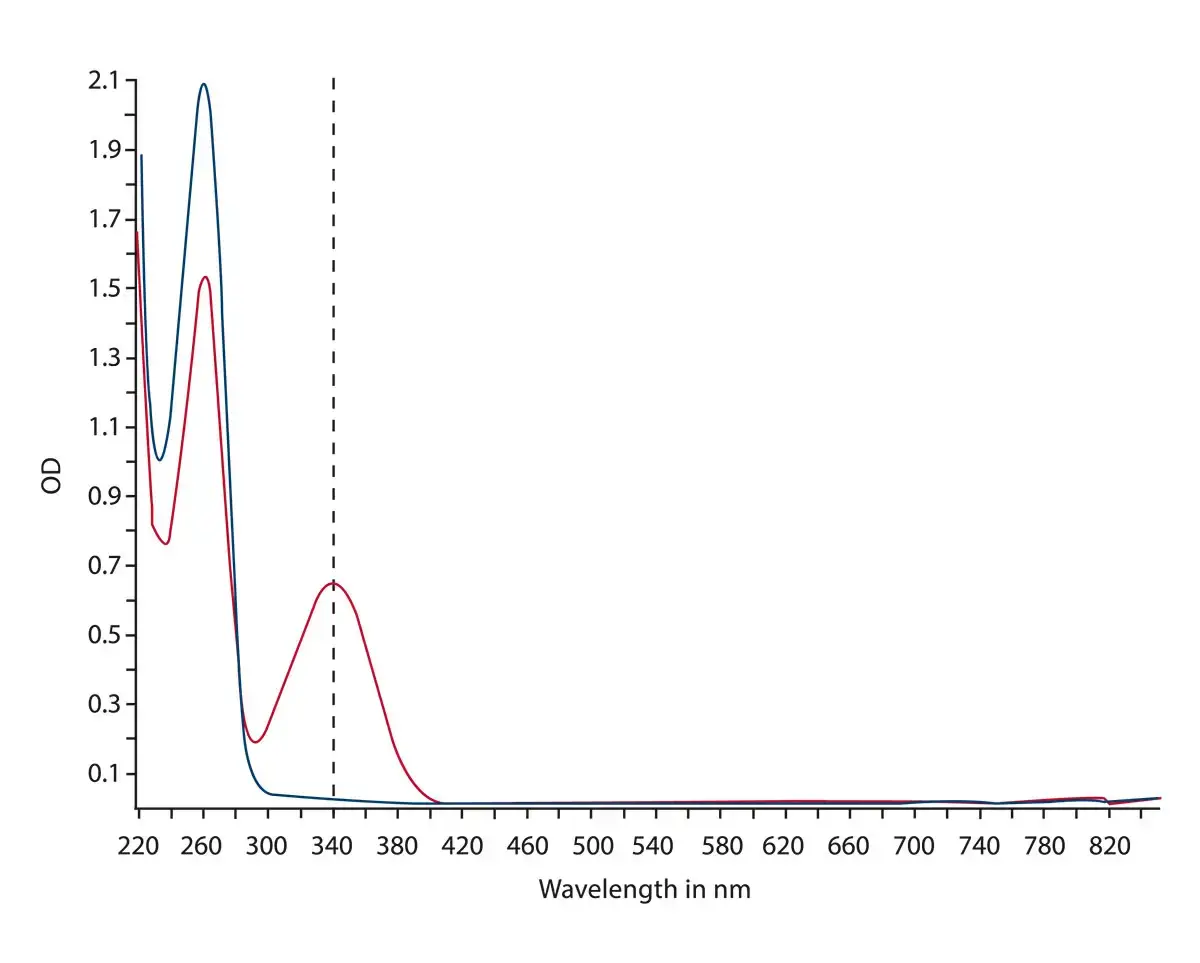
In the application note Glucose assay and lactate assay allow to monitor cellular glucose metabolism precisely luminescent assays for lactate and glucose were measured on the VANTAstar® microplate reader. While Lactate-Glo™ is not a mitochondrial-specific assay, it is a valuable tool for measuring lactate, which is a downstream product of mitochondrial metabolism. It can be used in mitochondrial metabolism studies to assess glycolytic output, lactate shuttling, and oxidative capacity when paired with other mitochondrial assays. The Enhanced Dynamic Range of the VANTAstar microplate reader makes the Lactate-Glo™ assay easy to perform and eliminates the need for manual intervention from the start of the reactions to the luminescent readout. In addition, the automatic crosstalk reduction feature reduces signal interference caused by the stray light emitted by the surrounding wells of a microplate while detecting the light signal of a specific well. This allows steps to be taken by researchers to minimize crosstalk and improve performance.
We have already highlighted some of the features of a microplate reader that aid in the study of metabolism in mitochondria in the applications just cited. Here we look closer at the technological benefits microplate readers bring to the table for the study of metabolism in mitochondria. Some of the essential instrument features relevant to the measurement of metabolism in mitochondrial assays are summarized in Table 1.
Table 1. Summary of benefits offered by microplate readers for studies of metabolism in cancer cells.
|
Feature |
Benefit |
Available on |
Note |
| Atmospheric Control Unit | Independently control oxygen and carbon dioxide concentrations for cell-based assays (as low as 0.1% oxygen on the CLARIOstar Plus) | VANTAstar, CLARIOstar Plus, Omega series | Can be combined with the Atmospheric Control Unit for different kinds of live cell assays including cell viability, cell proliferation and other cell-based assays with specific requirements for the surrounding atmosphere. |
| Ultrafast spectrometer | Captures full-absorbance data at a resolution of 1 nm for all wavelengths from 220 to 1000 nm in less than one second per well | PHERAstar FSX, VANTAstar, CLARIOstar Plus, Omega series, SPECTROstar Nano | |
| LVF Monochromator | Provides wavelength flexibility with filter-like sensitivity for fluorescent and luminescent assays | VANTAstar, CLARIOstar Plus |
|
| Enhanced Dynamic Range | Ensures accurate signal quantification across low to high concentrations of ligands and targets without running into the risk of signal saturation | PHERAstar FSX, VANTAstar, CLARIOstar Plus | |
| Incubation and shaking | Optimize assay conditions with precise temperature incubation and shaking control, ensuring best results for cell-based and enzymatic applications | All BMG LABTECH readers offer accurate temperature regulation up to 45°C (some devices even offer the option of temperature regulation up to 65°C). The VANTAstar, CLARIOstar Plus, the Omega series and the SPECTROstar Nano can be equipped with an incredibly robust transport system for shaking 24/7 where required | Three shaking modes with adjustable speed up to 700 rpm (optionally to 1100 rpm) provide optimum aeration settings for cells that require agitation. |
| Well scanning | Well scanning ensures uniform signal detection for cell-based and heterogeneous assays | PHERAstar FSX, VANTAstar, CLARIOstar Plus, Omega series, SPECTROstar Nano | |
| Sampling rate | Sampling rate of 100 data points per second. Particularly useful for resolving fast kinetic processes and for generating higher density datasets of interaction events | PHERAstar FSX, CLARIOstar Plus | |
| Reagent injectors | Reagent delivery to any plate format from 6-384 wells: control of injection timing, injection speed, delivery volume. Ability to inject different volumes in each well of a plate | The PHERAstar FSX, CLARIOstar Plus, and the Omega series allow simultaneous injection and measurement. The VANTAstar can be equipped with a modular injection unit. |
As we have seen, absorbance, luminescence and fluorescence measurements offer innovative ways to measure different assays for mitochondrial metabolism. Microplate readers offer the capacity to make parallel measurements under a wide range of conditions using different detection modes. Multi-mode microplate readers bring benefits in speed, reproducibility and scale for routine and advanced measurements of mitochondrial metabolism.
In the examples we described earlier, we saw the benefits offered by the Atmospheric Control Unit. Modern microplate readers also offer shaking options if needed that keep suspension cells under optimal growth conditions. A high-quality microplate reader will offer different shaking modes with adjustable speeds over a large range to provide optimum aeration settings for cell types that need them. Reagent injectors built into the microplate reader enable easy dispensing and rapid reaction monitoring.
Microplate readers offer quantitative and time-saving analysis for many assays that support research into mitochondrial metabolism and provide a range of throughputs all the way up to high-throughput options. The use of different detection technologies means that researchers can deploy different techniques with varying sensitivities of measurement depending on the needs of their experimental systems.
Furthermore, the use of 96-, 384- or 1536-well microplates allows the processing of many samples simultaneously or in quick succession. This allows large numbers of samples to be measured in a single run which reduces the time for the collection of data. Real-time or time-resolved measurements are suitable to map the dynamic changes that may take place in mitochondrial metabolism. This applies to the kinetics of enzyme reactions and crucial measurements of the levels of metabolites.
As we have seen, researchers have different options to measure redox states, energy output (ATP), membrane potential, oxygen levels, reactive oxygen species production and dependencies on different metabolic activities. Microplate readers provide a scalable way to assess multiple parameters of mitochondrial metabolism.
Therapies aimed at improving mitochondrial function or addressing dysfunction are continuing to being explored for treating various diseases such as Parkinson’s disease, diabetes, and certain cancers. Recent research has uncovered mechanisms regulating mitochondrial dynamics, genetics, and bioenergetics, which will pave the way for novel treatments targeting metabolic diseases and age-related decline.
Our understanding of mitochondrial metabolism continues to be revealed, refined and mapped with discoveries of new, large supercomplexes (different assemblies of the enzymes of the mitochondrial respiratory chain) and novel signaling events (for example related to reactive oxygen species). The demand for measurements of changes in mitochondrial metabolism will therefore continue to increase in the years ahead as new discoveries, technologies and applications emerge from laboratories worldwide. Further advances in detection technologies and innovation in the specific assays available for microplate readers should serve to advance understanding of mitochondrial metabolism and permit new applications to be realized.
You can read more about cellular metabolism in eukaryotes and prokaryotes, respectively, in the following BMG LABTECH blogs: Cell metabolism and Microbiological applications for bacterial metabolism on a microplate reader.
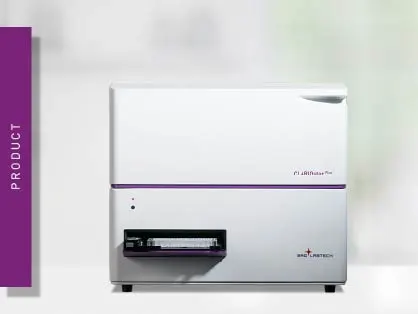
Powerful and most sensitive HTS plate reader
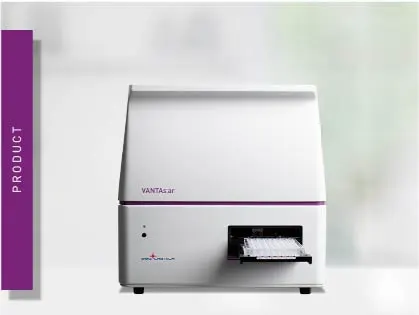
Most flexible Plate Reader for Assay Development
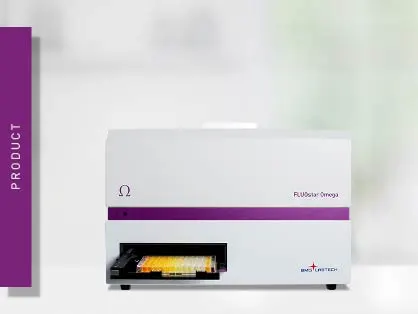
Flexible microplate reader with simplified workflows
Upgradeable single and multi-mode microplate reader series
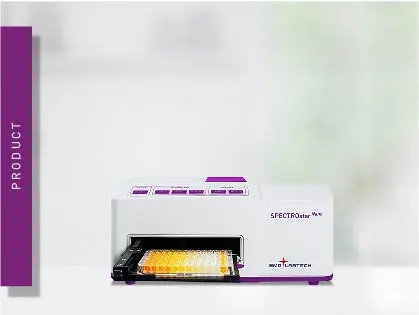
Absorbance plate reader with cuvette port
Discover the essential features of cell proliferation assays, their applications in research, and how to select the right assay for successful experiments.
Explore metabolic flux analysis, its significance in research, and how microplate readers enhance measurements for insights.
Explore the intricacies of cancer metabolism, the Warburg effect, and how microplate readers aid in understanding these critical processes in cancer cells.
Learn about applications for bacterial metabolism on a microplate reader.
Energy makes life possible. But where does it come from? Cellular metabolism plays a crucial role in all living organisms as almost every cellular process requires energy.