





What is a microplate luminometer?
A microplate luminometer is a piece of equipment capable of detecting the light photons emitted by chemical, bio-chemical or enzymatic reactions in a microplate and quantifying them. Luminescence detection is not an absolute measurement, like absorbance. The intensity of the signal is usually relative to other samples or to a reference measurement taken by an instrument. Consequently, luminometers quantify the light signal emitted by a sample in Relative Light Units (RLU).
A luminometer able to measure samples present in a microplate is usually referred to as a microplate luminometer.
Luminometers are used for different applications in various fields, such as academic life science research, drug discovery and screening, clinical laboratories, synthetic biology and food or water quality monitoring. Most common applications include cell viability, reporter gene assays and mycoplasma contaminations.
New to luminescence detection? Start with our introduction to luminescence.
Once you know the basics of luminometry, the next question is a practical one: which instrument is right for your assays, your throughput, and your budget?
This page walks you through the key performance factors to consider when evaluating a microplate luminometer, and shows you where BMG LABTECH instruments fit in.
- Initial recommendation
- Detailed Recommendation
Get help selecting the right microplate reader
Configure your microplate reader and get an initial recommendation!
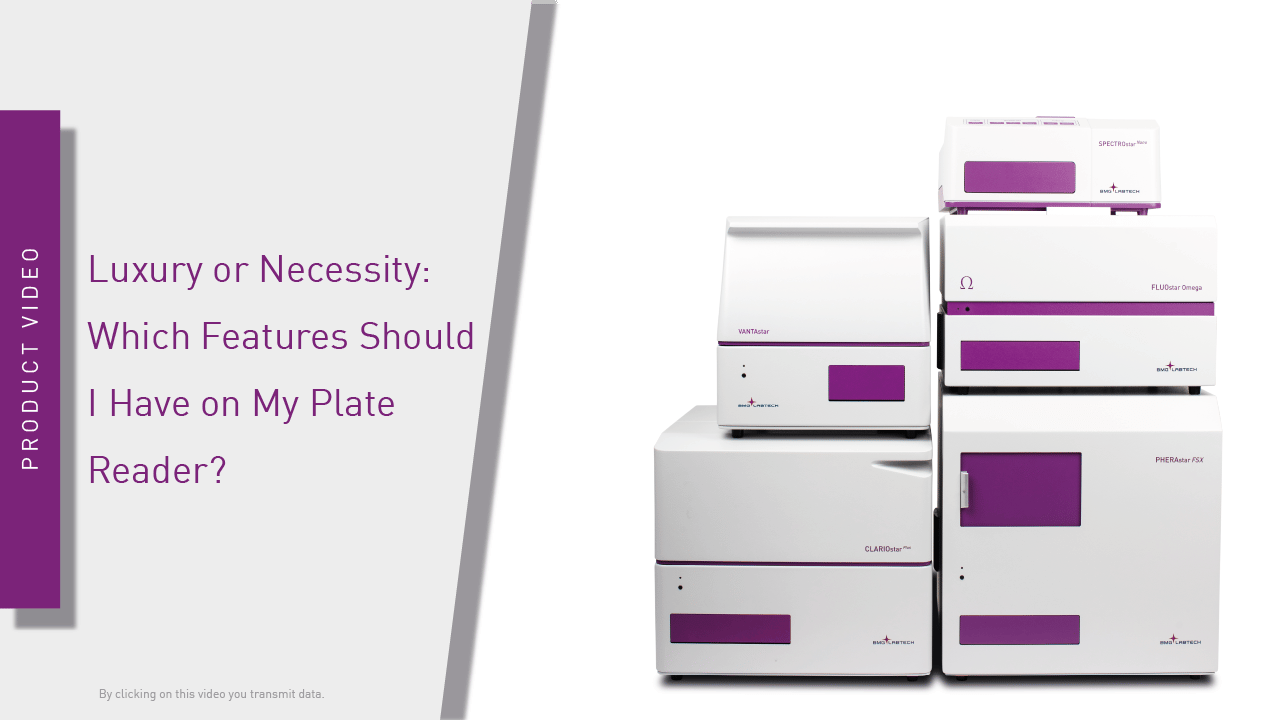
If you are on the market for a new luminescence reader, there are a few factors to take into account, as the performance of the instrument can significantly affect the quality of your assay results.
Sensitivity
Luminescence is inherently a high-sensitivity detection method - there is no excitation light to cause background scatter or autofluorescence. However, sensitivity still varies significantly between instruments.
A more sensitive luminometer delivers better signal-to-noise ratios, tighter replicate variability, and the ability to use smaller sample or reagent volumes without compromising data quality. For labs running low-signal assays or working with limited biological material, sensitivity is the most important specification to scrutinise.
Dynamic range
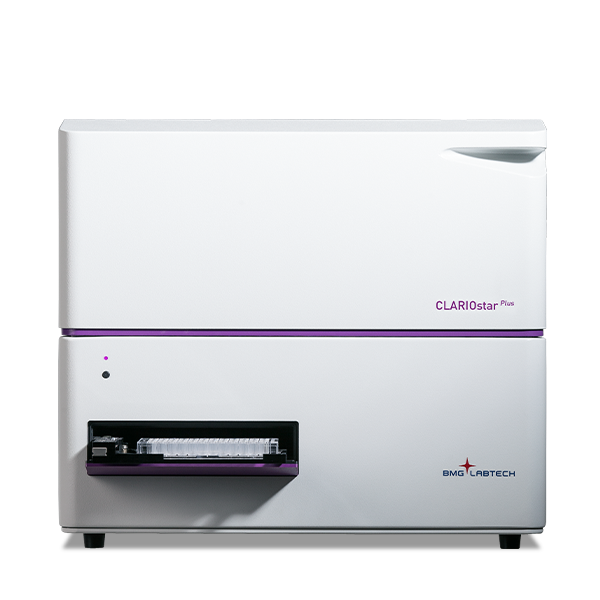
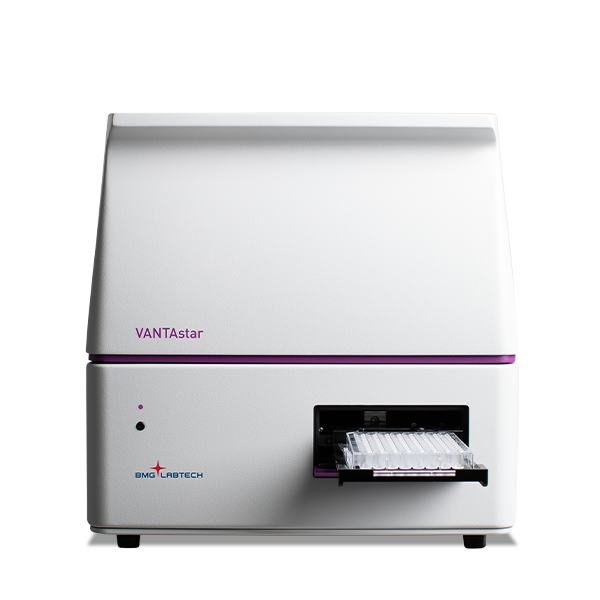
A wide dynamic range allows the instrument to accurately quantify both bright and dim samples in the same run without saturation or signal loss. BMG LABTECH's Enhanced Dynamic Range (EDR) feature, available on the PHERAstar FSX, CLARIOstar Plus, and VANTAstar, provides up to 8 concentration decades - the widest available on the market.
Wavelength selection
For basic single-signal assays, wavelength selection is not required. However, it becomes important when running assays with multiple luminescent signals, developing new assays, or reducing background. Filters offer higher sensitivity for known emission wavelengths. Monochromators offer flexibility for assay development and scanning.
BMG LABTECH's Linear Variable Filter (LVF) Monochromator, available on the CLARIOstar Plus and VANTAstar, delivers filter-like sensitivity with monochromator flexibility.
Compatible microplate formats
Commonly, basic luminescent assays are measured in 96-well plates. However, if you have multiple samples, have high-throughput needs, and/or wish to save precious reagents or time, 384-well and 1536-well formats can also be used and require less µL fill volume. Just make sure that your instrument of choice is also capable of reading the microplate format you plan on using. Moreover, absorbance, fluorescence, and luminescence detection require different plate types. Light cross-talk should also be considered when using high-density microplates.
Light cross-talk
Light cross-talk is mainly related to luminescence detection and happens when during the quantification of a well, the light signal from the adjacent wells on a microplate is also picked up by the detector.
There are two ways by which cross-talk light can be picked up by the detector, either from the top of the well or through the plastic wall of the microplate. High-end instruments such as the CLARIOstar Plus, the VANTAstar and the PHERAstar FSX can compensate for this factor by physically blocking the light coming from the neighbouring wells. Specific algorithms can calculate the amount of light transmitted through the plastic wall and subtract it from your samples to deliver a more robust performance.
Glow and flash luminescence
When looking for a microplate luminometer, you should consider the nature of the assays you want to run. According to their kinetic, luminescent assays can be divided in flash and glow reactions. Flash reactions are short-lived and give off a very bright signal for a very short amount of time, usually seconds. Glow reactions are rather long-lived. The reaction can last for several minutes, but usually emits a less intense signal.
Any microplate luminometer can detect glow reactions. Flash assays require instead the use of reagent injectors. By manually pipetting reagents into the wells of a microplate you can run the risk of losing the peak of your reaction as the short-lived signal could already be exhausted before you detect it. Our instruments equipped with reagent injectors can automatically inject and detect the signal of a well and then move to the next one.
Dual luciferase reporter assays
Reagent injectors are also beneficial for Dual Luciferase Reporter (DLR) assays. Here, the activity of two luciferases (renilla and firefly luciferase) is sequentially measured from a single sample and reports the transcription of a gene of interest and a transfection control. Both reporter gene assays can be completed in about 4 seconds using an instrument with reagent injectors.
Bioluminescence Resonance Energy Transfer (BRET)
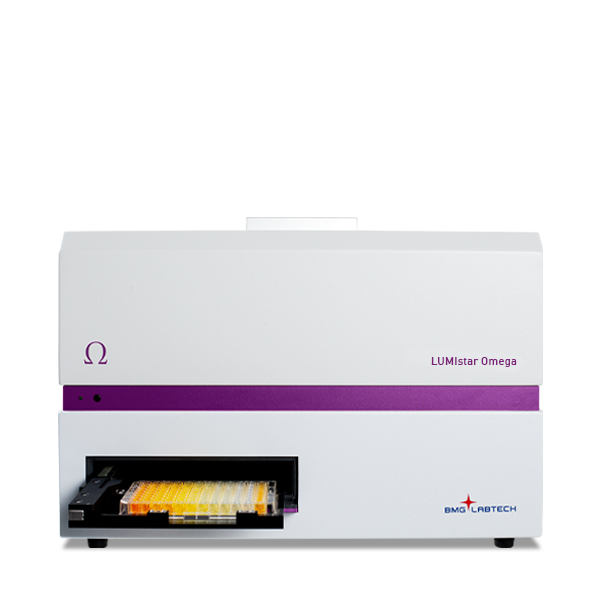
Detecting two emission channels simultaneously is beneficial for BRET and NanoBRET assays by halving measurement time and reducing data variability. Simultaneous Dual Emission (SDE) detection is available on the LUMIstar Omega and PHERAstar FSX.
Which assays can be measured by a microplate luminometer?
Both single‑mode and multi‑mode microplate readers support a wide range of luminescence‑based applications. Instruments offering luminescence alone or in combination with absorbance, fluorescence intensity, TRF detection, and other modes can be used for numerous assay types.
Common luminescence‑based applications
-
All major Promega bioluminescence assays
-
Enzymatic reactions and biochemical assays
-
Gene expression analysis, including Promega’s Dual‑Luciferase® Reporter (DLR) assays
-
Luminescent calcium flux assays
-
Chemiluminescent ELISAs
Cell‑based luminescence assays
-
ATP‑based cell viability assays
-
Cytotoxicity and apoptosis measurements
-
Analysis of cellular signalling pathways
-
Investigation of cellular metabolism
-
Detection of mycoplasma contamination in cell cultures
Protein–protein interaction and proximity assays
-
BRET and NanoBRET® assays for proximity‑based and interaction studies
Examples of luminescent measurements:
The following are examples of luminescence measurements made on BMG LABTECH readers:
- AN372: Real-Time Cell Motility Tracking Increases the Throughput of Scratch Wound Assays
- AN316: CRISPR/Cas9 genome-edited cells express nanoBRET-donor that monitors protein interaction and trafficking
- AN 271: Dual Luciferase Reporter (DLR) assay certification
- AN 266: Promega's multiplexed cell viability and apoptosis assays
See a complete list of luminescence application notes.

Our microplate luminometers
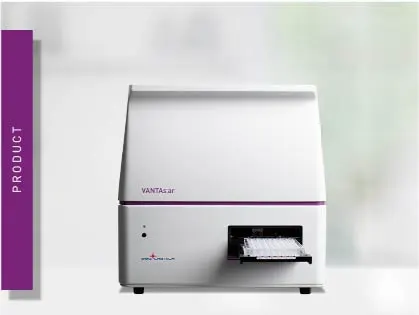
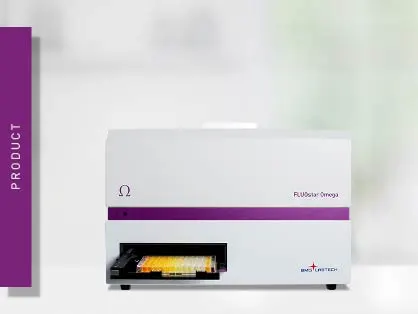
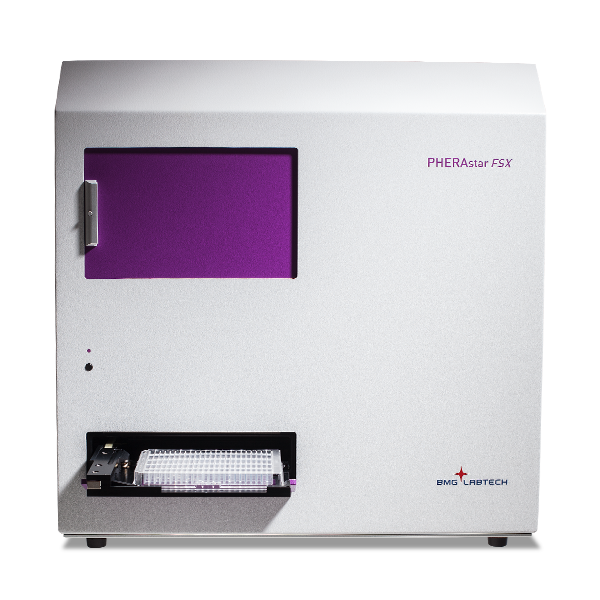
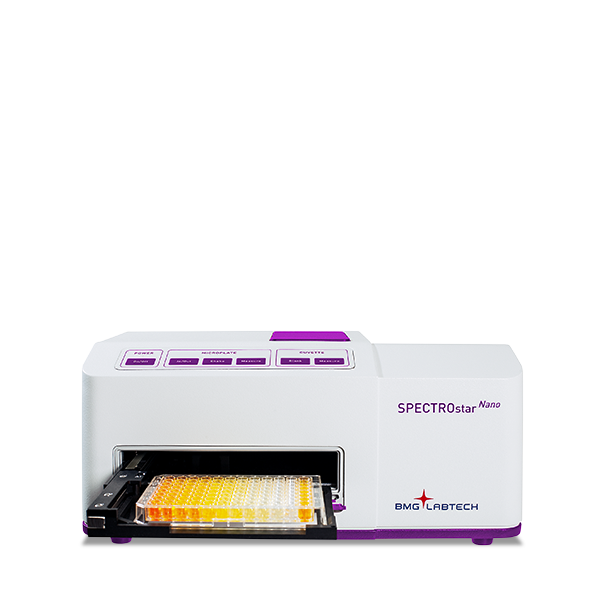
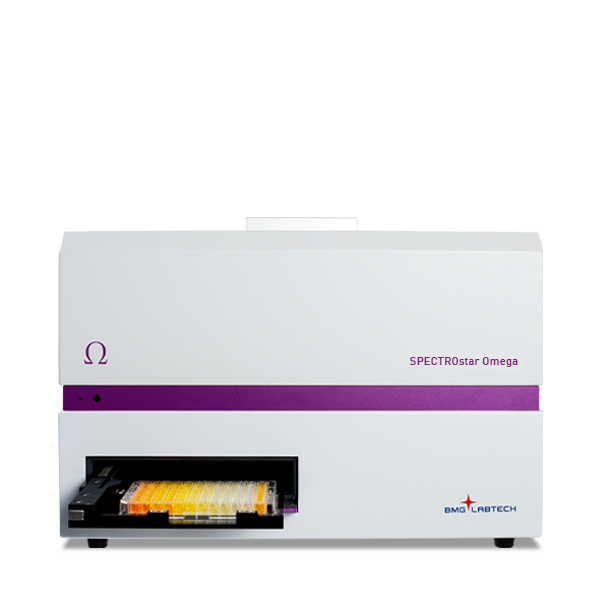
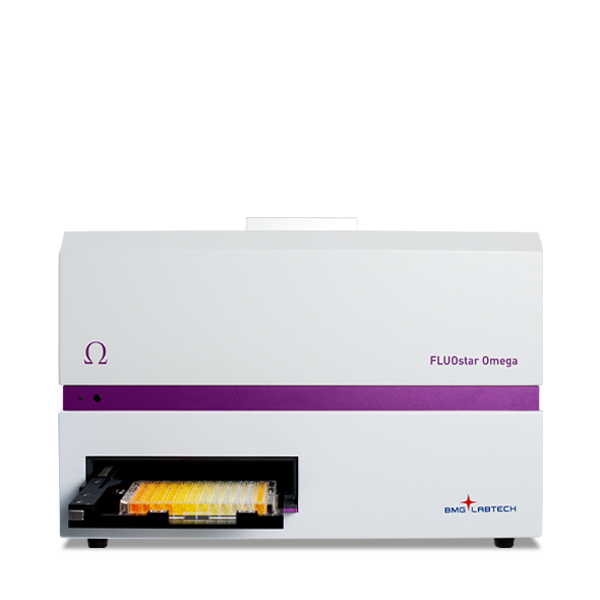
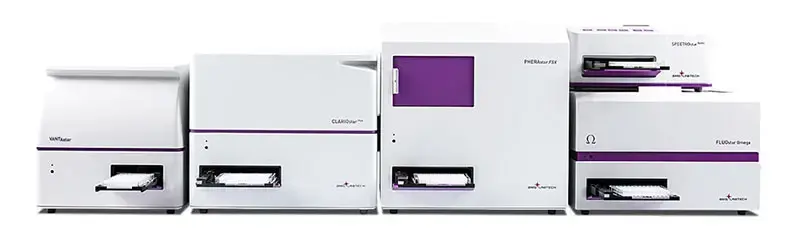
Luminescent detection can be performed on BMG LABTECH´s dedicated microplate luminometer LUMIstar® Omega, and multi-mode readers including the PHERAstar® FSX, CLARIOstar® Plus, VANTAstar® and FLUOstar® Omega.
All of our microplate luminometers are certified for Dual-Luciferase Reporter assays utilize optimized low-noise PMT (photomultiplier tube) and can be equipped with high-precision reagent injectors.

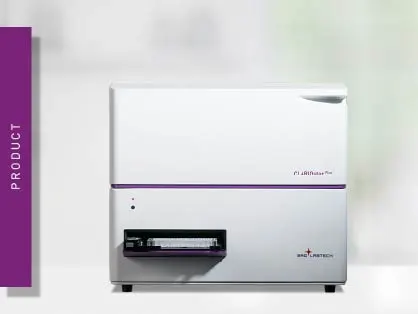
CLARIOstar Plus
VANTAstar
Omega Series
Trusted and loved by:
Why to choose BMG LABTECH?
BMG LABTECH is specialized in producing microplate readers only and brings 30 years of full expertise in microplate reading technology. This knowledge gets visible in the results that our instruments deliver - the only factor that counts in your lab! BMG LABTECH users can trust to receive best results in sensitivity, speed and flexibility. Moreover, our instruments are developed to provide optimum performance for years. Our instruments are developed, produced and tested in Germany and are built to be extremely robust and reliable.
Buy only what you need
Due to their modularity, all our readers can be equipped with different detection modes and cover a multitude of applications. Additional features can be upgraded at any time. This gives you the chance to keep your options open even if you don’t use the full scope of your instrument right at the bat.
All-round service and support
At BMG LABTECH we strive to provide you with the very best customer service. If you need customer support, we are only a phone call or email away. During business hours, you immediately speak live to a person who is happy to assist. There is no automated phone system or waiting in a queue, our scientists, engineers and technicians are always there to help.
Multi-user integrated software package
All our instruments come with a multi-user software package that can be installed on as many computers as users require, without the need to purchase licenses. Software updates are of no charge within the first 12 months after purchase.
Frequently asked questions
-
What is a microplate luminometer?
A microplate luminometer is a laboratory instrument that detects and quantifies light produced by luminescent reactions across multiple samples simultaneously in a microplate format. Unlike fluorescence readers, luminometers do not require an excitation light source - the assay itself generates the signal. This makes them highly sensitive instruments, capable of detecting extremely low levels of light with minimal background interference. They are widely used in drug discovery, cell biology, and molecular research for applications where precision and sensitivity are critical. -
What types of assays can be performed using a luminometer?
Microplate luminometers support a broad range of assays based on bioluminescent or chemiluminescent reactions. Common applications include luciferase reporter gene assays (used to study gene expression and promoter activity), ATP quantification assays (used in cell viability and microbial contamination testing), BRET (bioluminescence resonance energy transfer) assays, and chemiluminescent immunoassays. The absence of an excitation light source means luminescence detection has virtually no background fluorescence, making microplate luminometers particularly well suited to low-abundance target detection. -
How does a luminometer detect light?
A microplate luminometer detects light using a photomultiplier tube (PMT) - a highly sensitive detector that converts incoming photons into an electrical current. As each microplate well passes under or beside the PMT, the emitted light is captured and amplified, then expressed as relative light units (RLU). The RLU value is proportional to the intensity of the luminescent reaction, allowing quantitative measurement of biological activity. Because the PMT operates in near-total darkness within a sealed reading chamber, even very faint signals can be reliably detected. -
Are microplate luminometers compatible with different microplate formats?
Yes. Most microplate luminometers are compatible with standard 96-well and 384-well microplate formats, which cover the majority of routine laboratory assays. For high-throughput screening (HTS) applications, select models - including certain BMG LABTECH instruments - also support 1536-well plates, enabling much larger sample volumes per run. Plate format compatibility is an important consideration when choosing a luminometer, particularly if your workflow involves automation or scaling up to industrial screening volumes. -
What is dynamic range, and why does it matter in a microplate luminometer?
Dynamic range refers to the span of signal intensities - from the lowest detectable signal to the highest measurable value - that a microplate luminometer can accurately quantify in a single measurement run. A wide dynamic range is important because luminescent signals in biological assays can vary enormously between samples. If the dynamic range is too narrow, bright samples become saturated and dim samples fall below the detection threshold, both leading to inaccurate results. A broad dynamic range reduces the need for sample dilution, saves time, and improves overall assay accuracy and flexibility - particularly in dose-response experiments where signal intensity varies across a wide concentration gradient. -
Can a microplate luminometer be integrated into automated laboratory workflows?
Yes. Microplate luminometers can be integrated into automated laboratory workflows, making them suitable for high-throughput screening (HTS) environments. Integration typically involves compatibility with robotic plate handlers, barcode readers, and laboratory information management systems (LIMS). BMG LABTECH luminometers are designed with automation in mind, supporting external triggering, stacker systems, and software interfaces that allow seamless communication with broader lab automation platforms. This is particularly valuable in pharmaceutical drug discovery and large-scale cell-based screening programmes where hundreds or thousands of plates need to be processed consistently and efficiently. -
How do I reduce background noise in microplate luminometer readings?
Background noise in microplate luminometry typically stems from optical cross-talk between wells, ambient light contamination, or non-specific signal in your reagents. Using white plates with individual well walls reduces both cross-talk and signal bleed, while BMG LABTECH's cross-talk reduction package provides additional hardware and software-level control. Always use an opaque plate seal, keep the reading chamber free from ambient light before and during measurement, and include blank wells in every run to identify and subtract any residual background during analysis.