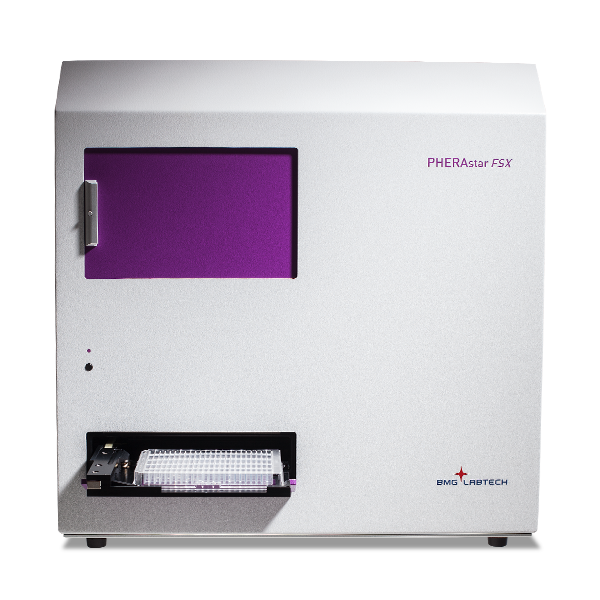
PHERAstar FSX
Powerful and most sensitive HTS plate reader





Barry Whyte is Application Scientist and Science Writer at BMG LABTECH in the United States. He has PhD and Bachelor of Science (BSc) degrees in biochemistry from the University of Bristol in the United Kingdom and more than 20 years of experience in the life sciences and science communications. Over the years, Barry has worked on three continents and traveled widely. He enjoys building on his international work experience and learning new ways to help scientists advance their research.

Metabolism is universal to all cells and involves thousands of metabolites distributed through interconnected pathways.1-4 This has important consequences for the viability of a cell. While the levels of metabolites are useful parameters for biochemical analysis, a more nuanced way of looking at metabolic outputs is to measure metabolic flux (r) through reactions and pathways.1, 5
Metabolic flux is the rate at which metabolites are converted to products through a metabolic pathway and reflects the dynamic flow of biochemical reactions in cellular metabolism. Metabolic flux analysis provides quantitative insights into metabolite flow rates in biological systems, helping researchers assess participation in biochemical reactions compared with qualitative approaches. Understanding metabolic flux helps identify how cells use nutrients, respond to their environment, and highlights the significance of this view for developing new ways to diagnose and treat diseases.
Researchers are interested in measuring metabolic flux not only to improve health and find solutions through drug development but also to advance biotechnologies and the many potential outputs of metabolism.6 This has repercussions for scientists working in many areas of research, including biochemistry, cell biology, and molecular biology, and has numerous applications in the lab.
Metabolic flux is typically defined as the rate at which metabolites are converted through metabolic pathways within metabolic networks in biological systems. As such it reflects the dynamic flow of biochemical reactions and metabolites through often interconnected pathways that take place within organelles, cells or other compartments of the cell essential for life.
Metabolic flux measurements are important in biological research and are particularly relevant for bioengineering and synthetic biology applications. Changes in the flux of metabolic pathways and metabolite levels can be linked to diseases like cancer, diabetes or neurodegenerative disorders, and flux analysis is significant for understanding cellular metabolism by showing how metabolic reactions are regulated across pathways and intervention opportunities.
Before taking a closer look at the precise definition of metabolic flux, it is worth revisiting some of the commonly encountered metabolic pathways in the cell where such measurements are practicable.
The crucial metabolic pathways in the cell that produce energy include the central carbon pathways such as glycolysis (carbon flux through conversion of glucose to pyruvate; ATP and NADH production) and the citric acid cycle (acetyl-CoA to carbon dioxide; NADH, FADH2, and ATP production). In addition, different anabolic and biosynthetic pathways give rise to amino acids (nitrogen flux, e.g. glutamine, alanine), nucleotides (e.g. ATP, GTP, NADH, NADPH), sugars (glucose, lactose), and fatty acids (e.g. palmitic acid, stearic acid, oleic acid) essential for building and operating a cell. This includes reaction pathways such as gluconeogenesis and the pentose-phosphate pathway (further examples of central carbon metabolism), and specific metabolic pathways generating fatty acids and amino acids across various pathways within interconnected metabolic networks, reflecting their complexity. These pathways are discussed in more detail in the BMG LABTECH blogs: Cell metabolism, Microbiological applications for bacterial metabolism on a microplate reader and Understanding metabolism in cancer.
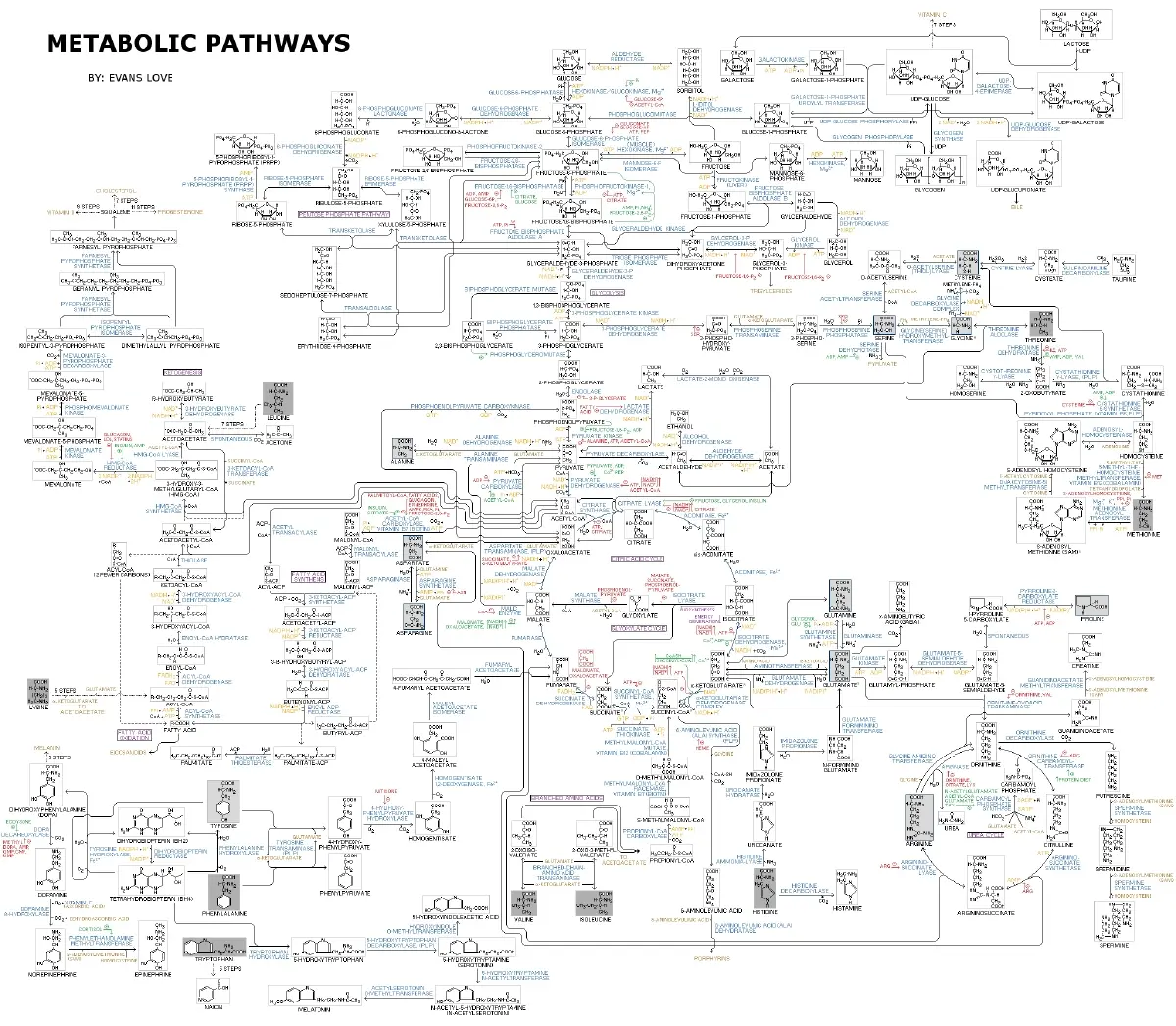
The metabolic flux through the reactions in these different pathways may vary (Fig. 1). Pathway regulation can reveal rate limiting steps and show which enzymes act as bottlenecks. One of the most straightforward ways to describe the flux of metabolites through a pathway is to consider the reaction steps individually. Figure 2 shows a general representation of flux balance for some theoretical interconnected pathways and a highlighted metabolite X. In the figure, system fluxes are shown affecting a specific metabolite (X) in a metabolic network. The levels of X in this case are influenced by the rates of synthesis, degradation or transport, while pathway interactions can also influence flux through the network. The flux of the metabolites through each reaction (J) in the different pathways (in figure 2 carbon flux is represented by circles and connecting lines in the figure) is the rate of the forward reaction (Vf) less that of the reverse reaction (Vr) for each step: 1, 5
J = Vf - Vr
Thus, individual fluxes can be calculated from this simple relationship. No flux exists when a reaction is at equilibrium. The metabolic flux can be calculated for each individual reaction of this network and the cumulative flux determined for different parts of the network as needed.

In practice, and as we have seen from its definition, metabolic flux analysis is used to assess pathway activity under different conditions by showing the rate at which metabolites move through biochemical pathways in cells or organisms. Think of it in terms of a bus service in a city or town. Analytic measurements of metabolite levels in the pathway are like the number of individual buses making up the bus service in Chapel Hill, North Carolina. Metabolic flux, however, is akin to measuring how many buses move through the roads of Chapel Hill in let’s say an hour. In metabolism, we might be interested in the rates of glycolytic flux (glucose conversion to lactate) which could be relevant to cancer studies for example or the ratios of NADPH+/H+ to NADP+ which might be relevant to pentose phosphate pathway flux in a neurological disease. In disease settings, these measurements can reveal metabolic changes during cell division, disease progression, or environmental stress and provide insights into underlying mechanisms. In biotechnology and synthetic biology applications, scientists might want to know which pathway is limiting the yield of a specific recombinant product. Metabolic flux measurements can give them a handle on what the limiting factors in a bioreactor might be and suggest what steps might ameliorate production. In other examples, a drug target may emerge if a pathogen shows dependency on a particular metabolic pathway, and in biomedical research metabolic flux analysis helps uncover the metabolic fingerprints of diseases, enabling the identification of novel biomarkers and potential therapeutic targets. Metabolic flux measurements in plants might suggest ways to increase crop yield. The scope for applications is large, which is reflected in the many direct and indirect assays that can give data pertinent to metabolic flux measurements.
Because direct observation of molecule movement within cells is not possible, conventional methods for measuring metabolic flux infer rates with specialized techniques. Isotopic labeling introduces labeled compounds into biological systems to track their fate through metabolic pathways. In tracer experiments, labeled substrates are followed as they are incorporated into metabolites over time, and the patterns obtained support flux estimation and interpretation. Mass spectrometry, high-performance liquid chromatography, and nuclear magnetic resonance spectroscopy are then used for data collection and data analysis, capturing isotopic enrichment data obtained from metabolites for flux calculation. While incredibly useful, these methods are often costly and time-consuming and are suitable only for a small subset of reactions.
The advent of a wide range of indirect flux assays transformed the options available to scientists for measuring metabolic flux in different metabolic pathways. Flux can be inferred, for example, from different types of indirect assays that may involve fluorescent, luminescent or colorimetric probes. The advent of biochemical and cell-based assays including MTT, Resazurin, ATP luciferase, lactate assays (e.g. glycolytic output) and different ways to measure glucose uptake (e.g. glycolysis input) mean that researchers have a broad tool kit to choose from when they are interested in determining metabolic flux. In other words, different technological breakthroughs have allowed one or more detection parameters suitable as an output for metabolism to be read versus time, making these assays useful under different growth conditions and for comparing cellular response across experiments. Extracellular flux measurements such as oxygen consumption rate with the Mito-rOCR assay and extracellular acidification rate indicate flux through energy-producing pathways (see the BMG LABTECH blog Mitochondrial metabolism and cellular function for specific examples), while assays to measure ATP production and redox state measurements are also part of the mix. In the next section, we provide a few real-life examples from application notes or recent publications to highlight some of the assays relevant to metabolic flux measurements.
Researchers need repeated, reliable measurements over time to determine metabolic flux parameters. In many cases, scientists benefit from the speed and accuracy offered by microplate readers for higher throughput, kinetic measurements that readily permit comparisons of metabolic pathway activity and provide metabolic flux analysis.
96-, 384- or even 1536-well microplate capabilities allow testing of many conditions simultaneously be it different cell lines time points or drug concentrations. Microplate readers offer lower cost, more accessibility and are good alternatives to the more specialized flux instruments that may also require more maintenance and consumables. In addition, multi-mode microplate readers provide exceptional versatility, supporting a wide range of applications such as DNA quantification, protein quantification, gene reporter assays, ELISAs, and many other assays. This flexibility allows researchers to perform diverse assays on a single platform—capabilities that single-purpose flux analyzers cannot match.
One big advantage of microplate readers is the ease of making kinetic measurements over time which is essential for metabolic flux measurements since they are by definition rates. Instead of measuring a single end point researchers can measure substrate conversion rates, product formation rates, enzyme kinetics or other dynamic features of biochemical reactions. Microplate readers scale well and offer superior options for automation where they outperform dedicated metabolic analyzers. Microplate readers therefore offer rapid, scalable options for metabolic phenotyping and are cost-effective. They are ideally suited to drug and other screening activities, metabolic phenotyping and a host of indirect pathway analysis assays through kinetic measurements of metabolites. Let’s look at a few examples of applications relevant to metabolic flux determination.
In the paper “Improved flux profiling in genome-scale modeling of human cell metabolism”, researchers developed a computational tool to simulate intracellular metabolic fluxes in human cells.7 Understanding human cell metabolism through genome-scale flux profiling is of interest to diverse research areas of human health and disease. The ambitious genome-scale metabolic model described in the paper is a modeling framework where the complete metabolic network of a cell is reconstructed in silico. The predictive power of these models can vary considerably and often depends on the quality of the constraints. To improve the accuracy of the computer simulation, the researchers used high-quality experimental measurements of metabolite concentrations and looked at changes versus time. This integration of experimental flux data with modeling improved the comprehensive understanding of cellular metabolism. This permitted calculation of metabolic fluxes (r) of different amino acids like glycine or arginine in terms of nmol per g dry weight of cells per hour in a MCF10A non-tumorigenic human mammary epithelial cell line. A crucial part in the calculations of these fluxes required normalization of the amino acid concentrations to the cell count in the growth incubations.
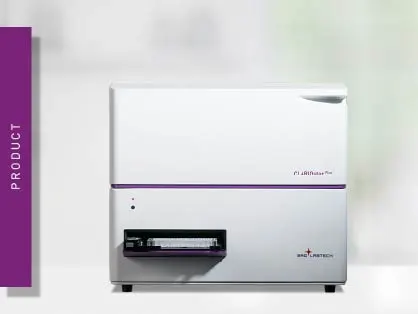
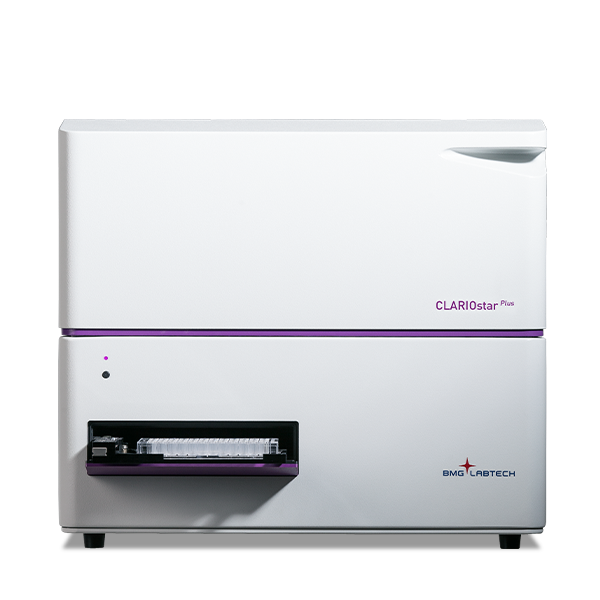
Absolute cell counts were measured at 22, 26, 30, 46, 50, and 54 h after seeding using the CyQUANT™ Cell Proliferation Assay kit from ThermoFisher Scientific with a CLARIOstar® Plus microplate reader (BMG LABTECH). CyQUANT uses a DNA-binding fluorescent dye whose signal increases when bound to cellular nucleic acids. It estimates proliferation via the cell number or amount of DNA and is not based on the cell’s metabolic status. As a DNA content assay, it gives a more accurate handle on cell proliferation compared to other traditional colorimetric methods. The cell count data (Fig.3) were crucial for calculating the metabolic flux data of the amino acids in the different phases of cell growth, where flux estimates can vary with growth rate and changing expression across phases of culture, and were used to improve the performance of the predictive power of the genome-scale metabolic models described in the paper.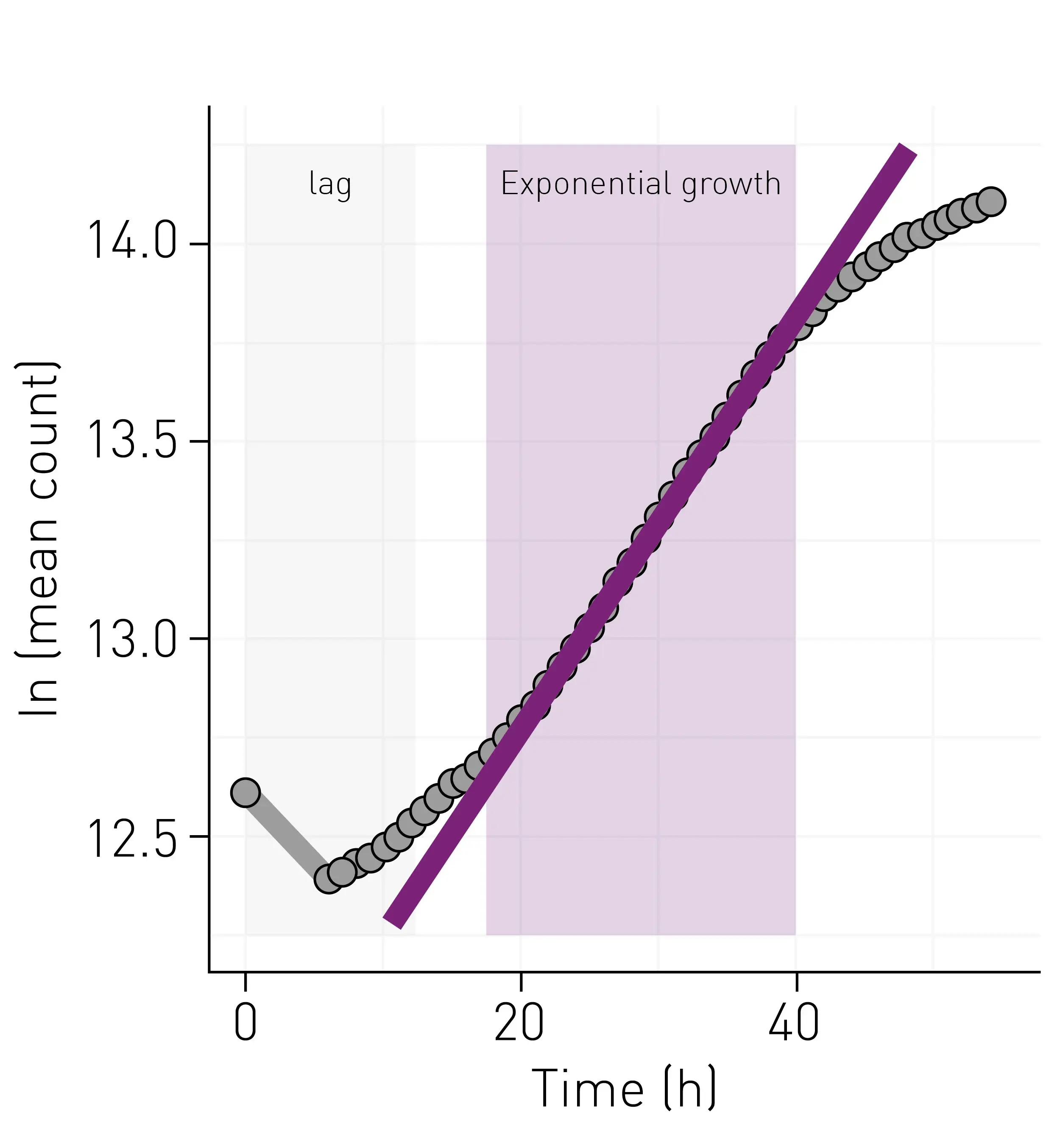
Lactate and glucose metabolites are present in several metabolic pathways in the cell, and measuring their levels and how they progress versus time through a pathway can therefore be used to determine the metabolic flux of these metabolites in different pathways in the cell.
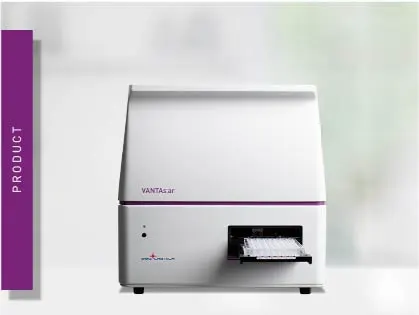
In the application note Glucose assay and lactate assay allow to monitor cellular glucose metabolism precisely luminescent assays were applied to measure lactate and glucose on the VANTAstar® microplate reader (Fig.4). Glucose is readily metabolized into pyruvate in the cell. Under aerobic conditions, pyruvate is converted to acetyl-CoA which enters the citric acid cycle. When anaerobic conditions exist, pyruvate is reduced to lactate. Lactate can also originate from glycolysis under aerobic conditions. Measurement of lactate and glucose levels therefore provides time-course data offering insights into substrate utilization. Flux analysis of these metabolites at higher throughout is useful for applications like drug screening and in this context microplate-based assay methods offer distinct benefits. Luminescence-based assays are therefore good rapid, highly sensitive options for researchers.
In this application note, Lactate-GloTM and Glucose-GloTM assays were performed and optimized on the VANTAstar microplate reader. The Enhanced Dynamic Range of the VANTAstar microplate reader makes these assays easy to perform and eliminates the need for manual intervention from the start of the reactions to the luminescent readout. In addition, the automatic cross-talk reduction feature reduces signal interference caused by the stray light emitted by the surrounding wells of a microplate while detecting the light signal of a specific well. This allows steps to be taken by researchers to minimize crosstalk and improve performance.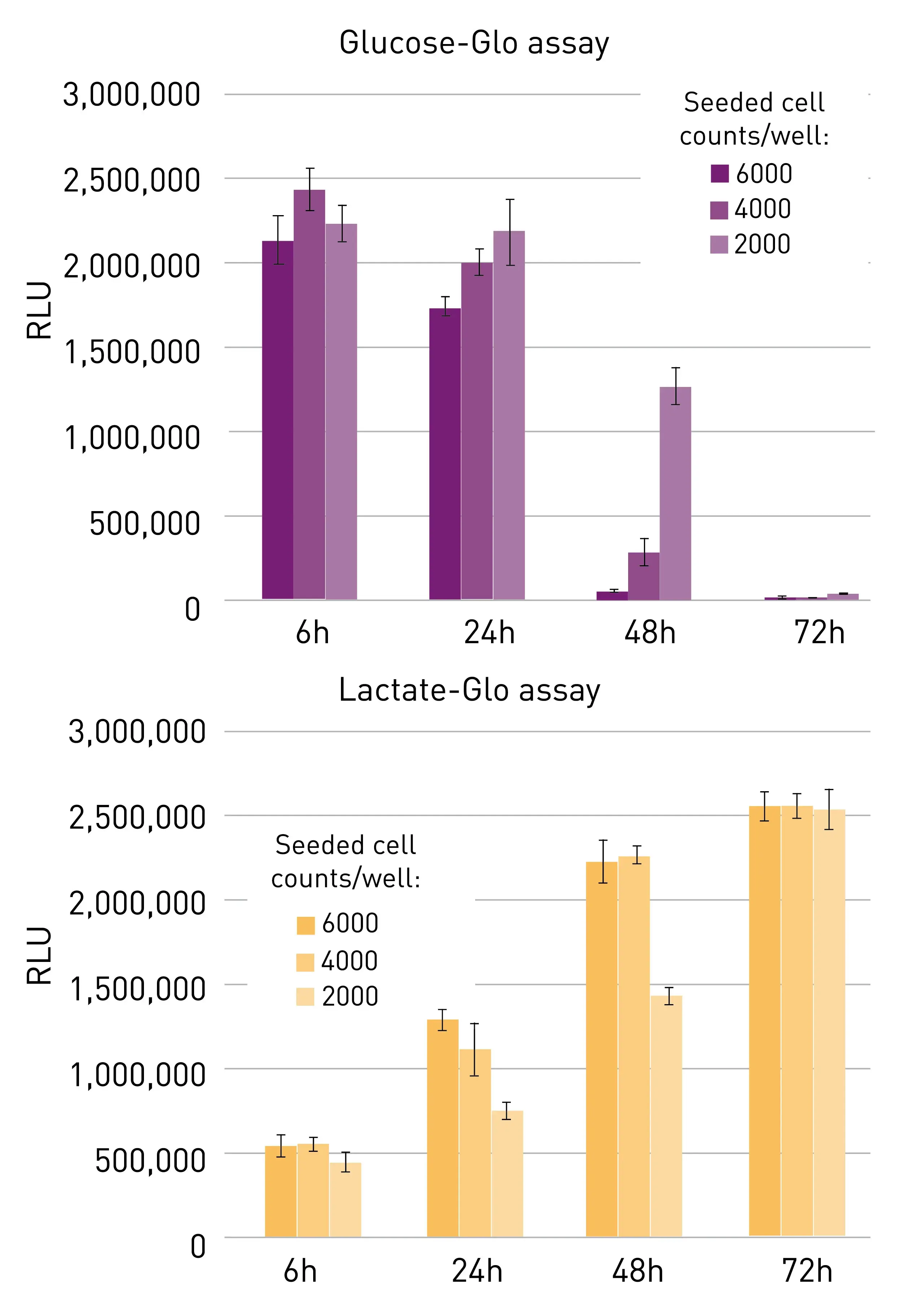
ATP and ADP are essential molecules in metabolism. Many classes of enzymes generate ADP as part of their catalytic reaction. In many cases, it is useful to have direct readouts of ADP or ADP levels in one-step homogeneous formats that can be scaled for higher throughput. This is useful for metabolic flux measurements across different pathways that may need to be performed for several parameters in parallel.
The application note Transcreener ADP2 FI assay performed on BMG LABTECH microplate readers describes use of the Transcreener® technology to quantify the production of ADP during enzyme reactions (Fig. 5). These assays can be performed on BMG LABTECH microplate readers with excellent Z prime values and different detection modes (fluorescence, fluorescence polarization and time-resolved fluorescence resonance energy transfer).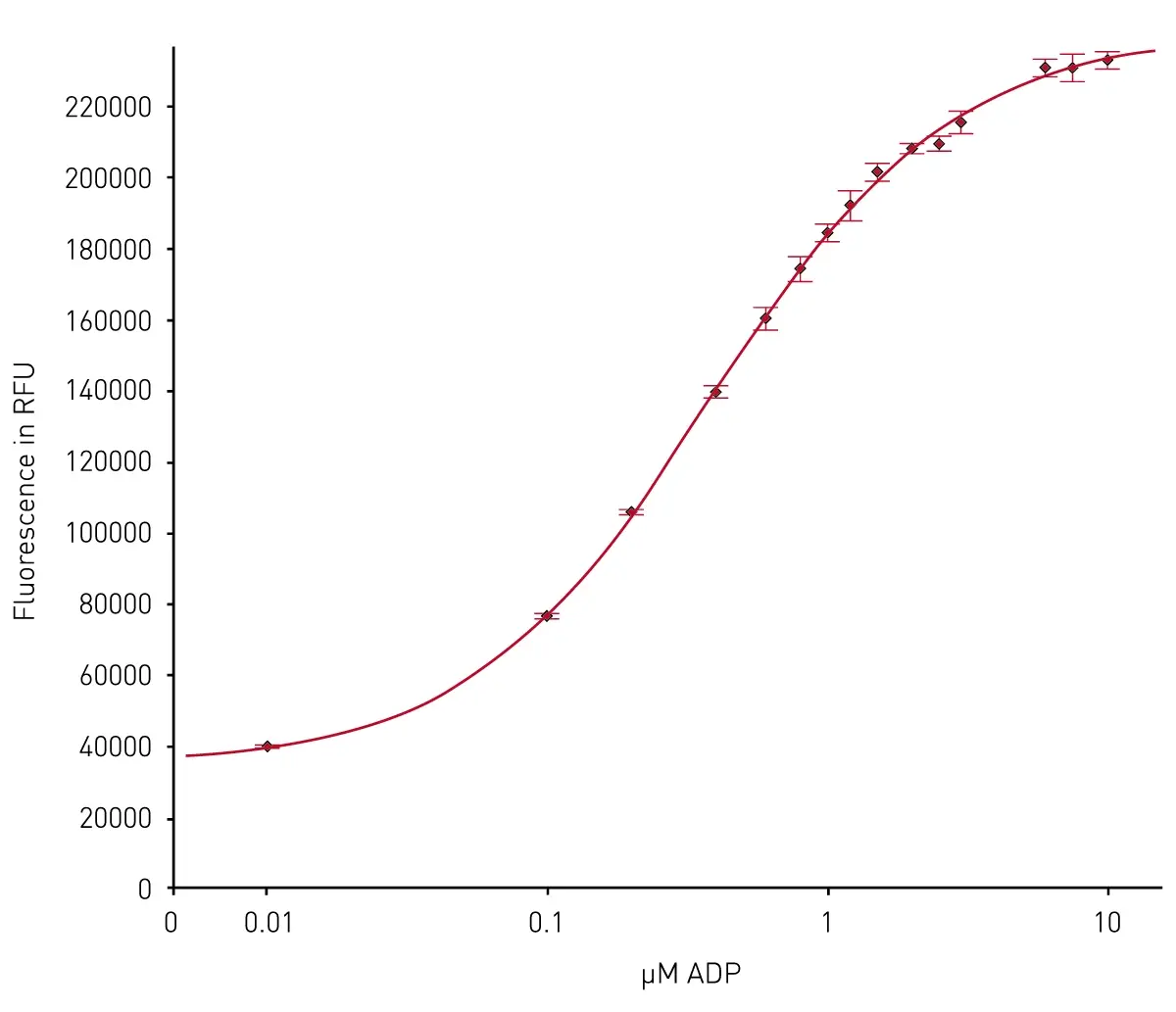
In the paper G6PD deficiency triggers dopamine loss and the initiation of Parkinson’s disease pathogenesis,8 researchers showed that the accumulation of protein aggregates in stem cell and animal models of Parkinson’s disease was linked to impaired metabolic flux through the pentose phosphate pathway. In this pathway, glucose 6-phosphate is oxidized and generates NADPH.
These changes lead to decreased nicotinamide adenine dinucleotide phosphate (NADP/H) and glutathione levels that result in dopamine oxidation and decreased total levels of dopamine. Dopamine is an important chemical that controls coordination and movement in the body. In Parkinson’s disease, nerve cells that produce dopamine become impaired or die leading to motor and non-motor symptoms.
As part of the study, the scientists measured the ratiometric levels of NADPH+/H+ to NADP+ and observed a significant decrease in this ratio in pre-formed fibril-inoculated mice (animal model system for Parkinson’s disease) relative to controls (Fig. 6).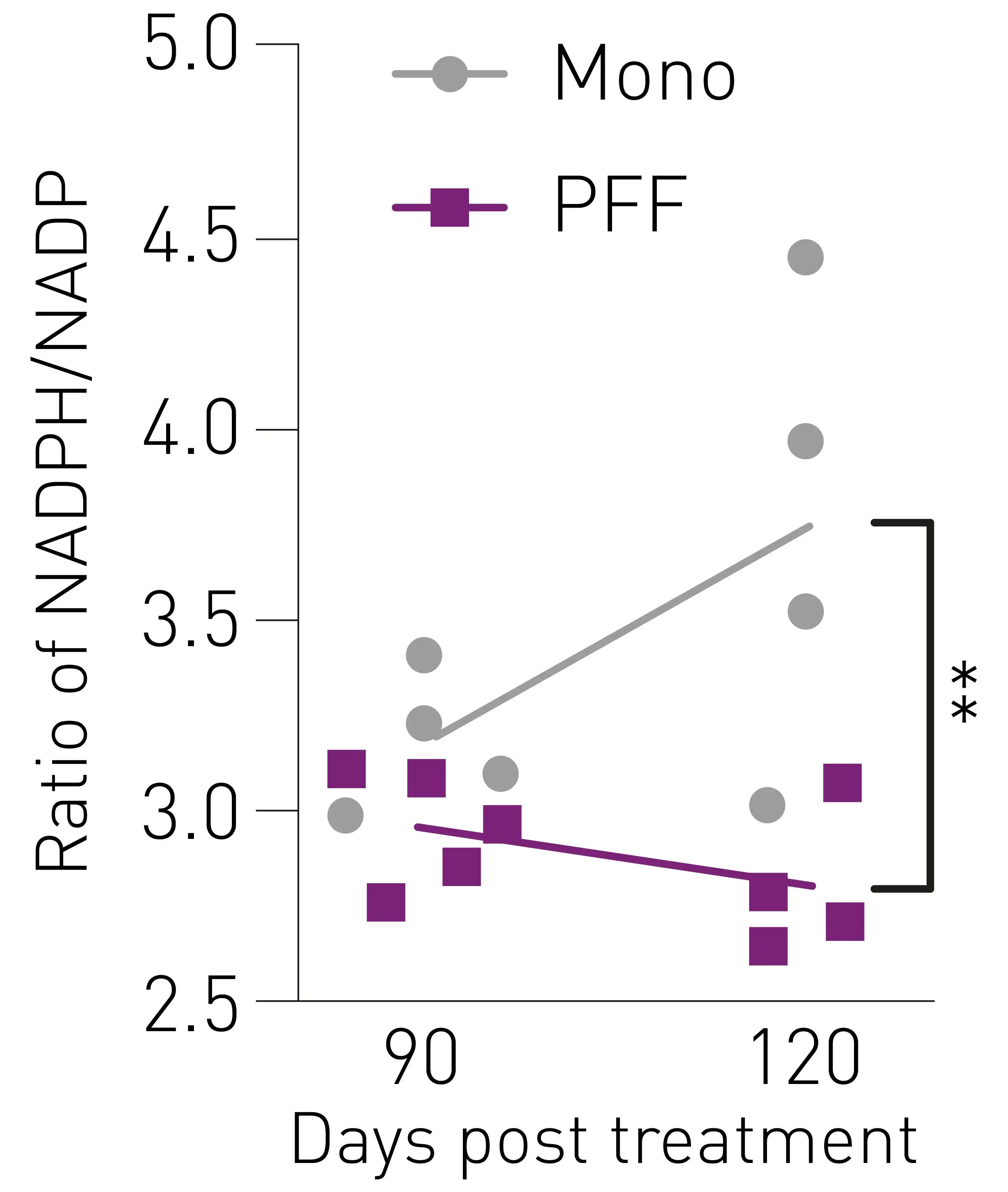
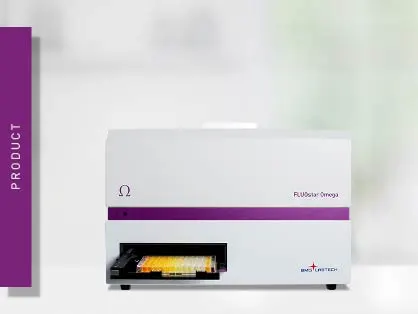
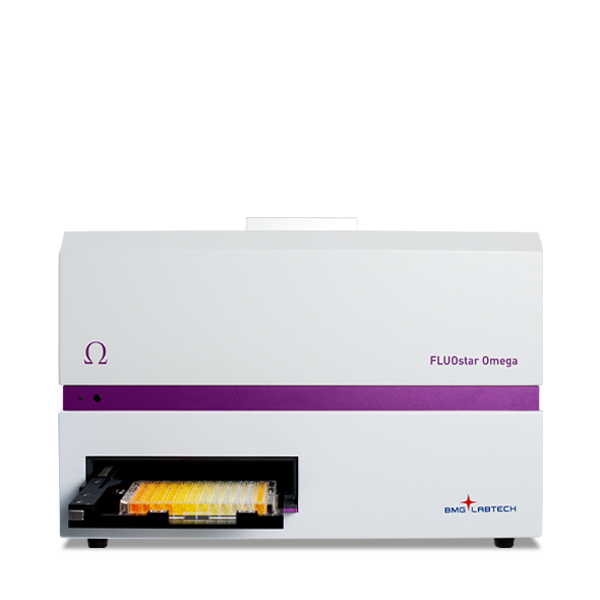
In one set of experiments, NADP+/H analysis was performed using an Abcam Fluorometric NADP/NADPH Assay Kit. Samples were directly assayed for NADPH and the fluorescence increase was measured at excitation/emission wavelengths of 540/590 nm using a FLUOstar Omega plate reader. The fluorometric analysis of NADP/NADPH is preferred to a spectrophotometric colorimetric scan for these nucleotides in metabolic flux measurements due to its higher accuracy.
NADPH is often used as a readout of the pentose phosphate and other metabolic pathways. A higher flux through the pathway means higher levels of NADPH. It is important to note that the increased metabolic flux was verified by several methods in this study including isotopic labeling experiments. Similar metabolic flux approaches are also important in cancer research for revealing altered tumor metabolism and supporting targeted therapies.
Earlier we highlighted some of the features of a microplate reader that aid in the study of metabolic flux. In this section we look closer at the technological benefits microplate readers deliver for the determination of metabolic flux. Some of the essential instrument features relevant to metabolic flux are summarized in Table 1.
Table 1. Summary of benefits offered by microplate readers for metabolic flux measurements.
|
Feature |
Benefit |
Available on |
Note |
| Atmospheric Control Unit | Independently control oxygen and carbon dioxide concentrations for cell-based assays (as low as 0.1% oxygen on the CLARIOstar Plus) | VANTAstar, CLARIOstar Plus, Omega series | Beneficial for different kinds of live cell assays including cell viability, cell proliferation and other cell-based kinetic assays with specific requirements for the surrounding atmosphere. |
| LVF Monochromator | Provides wavelength flexibility with filter-like sensitivity for fluorescent and luminescent assays | VANTAstar, CLARIOstar Plus |
|
| Enhanced Dynamic Range | Ensures accurate signal quantification across low to high concentrations of ligands and targets without running into the risk of signal saturation | PHERAstar FSX, VANTAstar, CLARIOstar Plus | Particularly beneficial for kinetic assays where signal intensity builds up over time. |
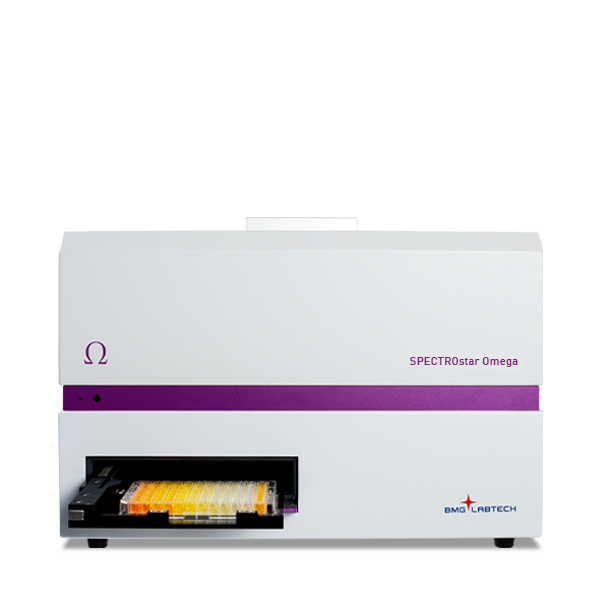
| Incubation and shaking | Optimize assay conditions with precise temperature incubation and shaking control, ensuring best results for cell-based and enzymatic applications | All BMG LABTECH readers offer accurate temperature regulation up to 45°C (some devices even offer the option of temperature regulation up to 65°C). The VANTAstar, CLARIOstar Plus, the Omega series and the SPECTROstar Nano can be equipped with an incredibly robust transport system for shaking 24/7 where required | Three shaking modes with adjustable speed up to 700 rpm (optionally to 1100 rpm) provide optimum aeration settings for cells that require agitation. |
| Well scanning | Well scanning ensures uniform signal detection for cell-based and heterogeneous assays | PHERAstar FSX, VANTAstar, CLARIOstar Plus, Omega series, SPECTROstar Nano | |
| Sampling rate | Sampling rate of 100 data points per second. Particularly useful for resolving fast kinetic processes and for generating higher density datasets of interaction events | PHERAstar FSX, CLARIOstar Plus | |
| Reagent injectors | Reagent delivery to any plate format from 6-384 wells: control of injection timing, injection speed, delivery volume. Ability to inject different volumes in each well of a plate | The PHERAstar FSX, CLARIOstar Plus, and the Omega series allow simultaneous injection and measurement. The VANTAstar can be equipped with a modular injection unit. |
Microplate readers offer quantitative and time-saving analysis to calculate metabolic flux in the cell. The use of different detection technologies means that researchers can deploy techniques with varying sensitivity depending on the needs of their experimental systems.
As we have seen, absorbance, luminescence and fluorescence measurements offer innovative ways to measure metabolic flux. Absorbance detection is available on BMG LABTECH’s complete portfolio of multi-mode microplate readers. BMG LABTECH’s multi-mode detection devices also include state-of-the-art capabilities for sensitive fluorescence and luminescence measurements. Multi-mode microplate readers bring benefits in speed, reproducibility and scale for routine and advanced measurements of metabolic flux.
In the examples we described earlier, we saw the benefits offered by the Atmospheric Control Unit. Modern microplate readers also offer shaking options if needed that keep suspension cells under optimal growth conditions. A high-quality microplate reader will offer different shaking modes with adjustable speeds over a large range to provide optimum aeration settings for cell types that need them. Reagent injectors built into the microplate reader enable easy dispensing and rapid reaction monitoring.
Microplate readers offer quantitative and time-saving analysis for many assays that support research into mitochondrial metabolism and provide a range of throughputs all the way up to high-throughput options. The use of different detection technologies means that researchers can deploy different techniques with varying sensitivities of measurement depending on the needs of their experimental systems.
Furthermore, the use of 96-, 384- or 1536-well microplates allows the processing of many samples simultaneously or in quick succession. This allows large numbers of samples to be measured in a single run which reduces the time for the collection of data. Real-time or time-resolved measurements are suitable to map the dynamic changes that may take place in metabolism. This applies to the kinetics of enzyme reactions and crucial time-dependent measurements of the levels of metabolites.
Collectively, BMG LABTECH multi-mode readers combine high-quality measurements with miniaturized assays, short measurement times, and offer considerable savings on materials and other resources.
Our understanding of metabolism continues to grow at pace. This translates into opportunities for researchers to measure metabolic flux in newly engineered organisms, with metabolic flux analysis enabling metabolic engineers to guide genetic modifications, redesign pathways, and improve substrate utilization, for example in systems with novel metabolic properties or in organisms that need to be exposed to different environmental conditions. Modeling metabolic pathways at the genome level will drive the need for experimental verification of metabolic flux predictions and show how changes in one pathway can influence others. Getting biology at scale to yield maximum productivity will also require rigorous and reliable measurements of metabolic flux for metabolic pathways, which is important for turning microorganisms into efficient factories for valuable compounds such as biofuels and pharmaceuticals.
New findings will continue to emerge from metabolic experiments and researchers will increasingly turn to metabolic flux measurements to understand the importance of these observations to the life of the cell.
Powerful and most sensitive HTS plate reader
Most flexible Plate Reader for Assay Development
Flexible microplate reader with simplified workflows
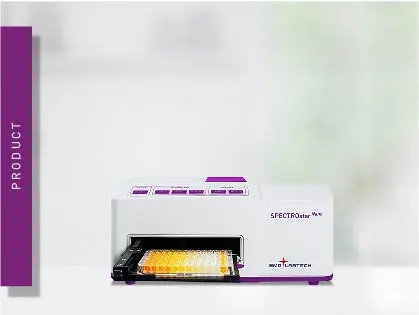
Upgradeable single and multi-mode microplate reader series
Absorbance plate reader with cuvette port
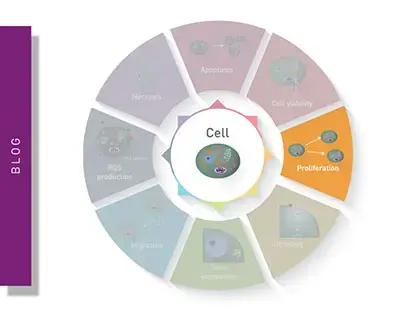
Discover the essential features of cell proliferation assays, their applications in research, and how to select the right assay for successful experiments.
Explore the vital role of mitochondrial metabolism in cellular function, its measurement techniques, and how microplate readers enhance research in this field.
Explore the intricacies of cancer metabolism, the Warburg effect, and how microplate readers aid in understanding these critical processes in cancer cells.
Learn about applications for bacterial metabolism on a microplate reader.
Energy makes life possible. But where does it come from? Cellular metabolism plays a crucial role in all living organisms as almost every cellular process requires energy.