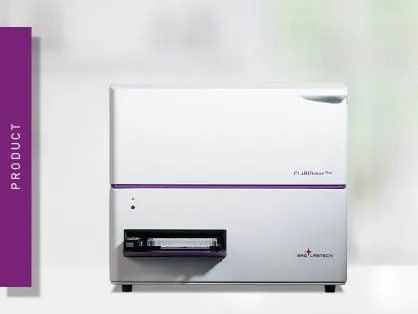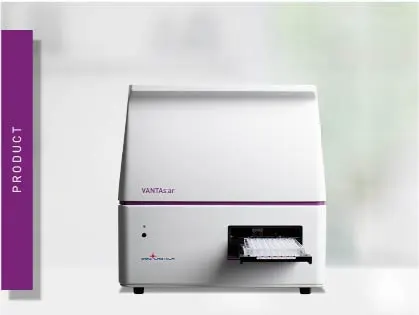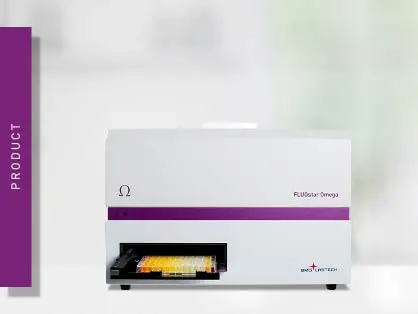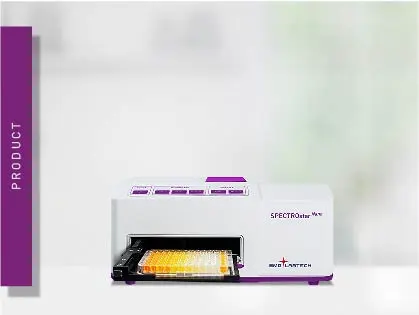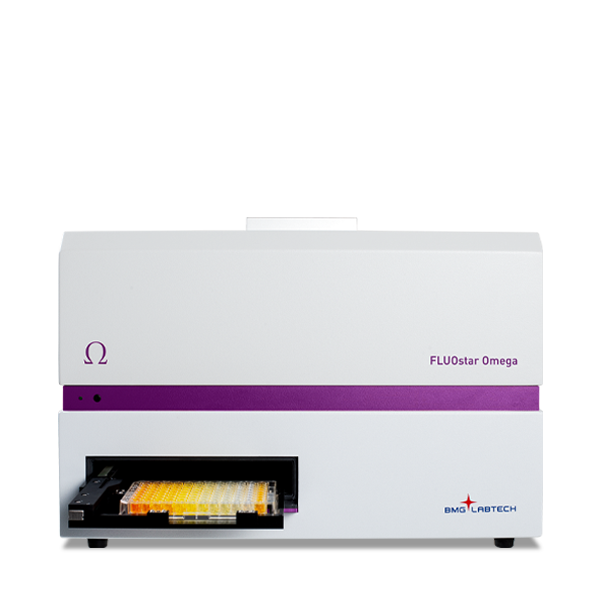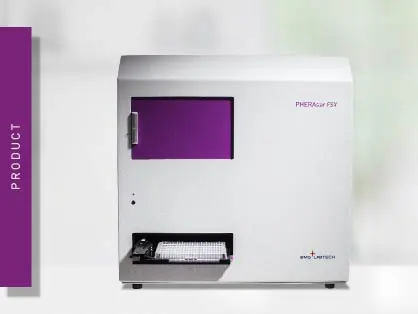
PHERAstar FSX
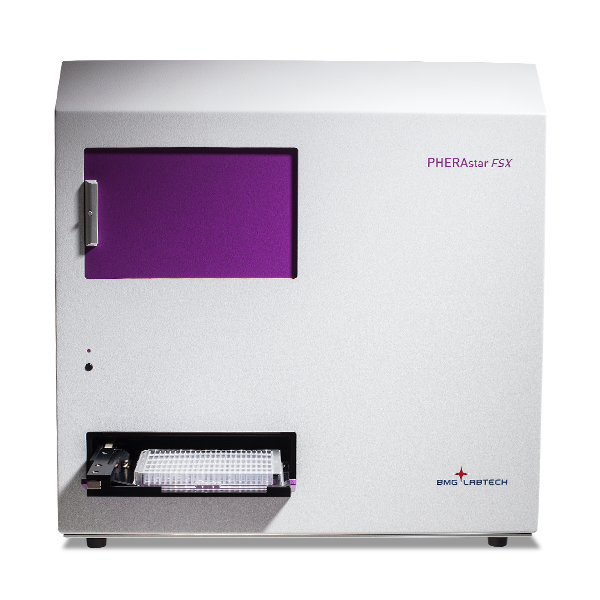
Powerful and most sensitive HTS plate reader





Tobias Pusterla’s scientific background spans veterinary biotechnology, cancer cell biology, and the molecular mechanisms underlying inflammation‑driven tumorigenesis. After graduating in Veterinary Biotechnology at the University of Milan, Italy, he worked in mouse mutagenesis before completing a Ph.D. in Cellular and Molecular Biology through a joint program between the Open University of London, UK and the San Raffaele Scientific Institute, Milan, Italy. He later conducted postdoctoral research at the German Cancer Research Center (DKFZ) in Heidelberg, Germany, focusing on tumor biology, the tumor microenvironment, and the role of chronic inflammation in cancer development. His scientific work has contributed to understanding how damage‑associated molecular signals drive immune activation, cell migration, inflammation, and tumorigenesis, helping to clarify fundamental pathways linking cellular stress responses to physiological and pathological outcomes. After more than 13 years of research experience, he joined BMG LABTECH in 2013. Here, he oversees global marketing activities, including the creation of scientific content and the coordination of application support.

Microplate readers have become indispensable tools in modern life science laboratories. They are used to quantify biological, chemical, and biochemical reactions in microplates and support a wide range of applications, from routine protein and DNA quantification to complex cell-based assays and high-throughput screening campaigns.
As research workflows become increasingly complex, laboratories often expect a single instrument to perform multiple functions. Researchers may need to measure absorbance assays one day, perform fluorescent cell assays the next, and analyse luminescence signals from gene reporter assays a few hours later. As a result, choosing the best microplate reader is no longer simply a question of selecting an instrument with the right detection mode. It is about finding a platform that aligns with current goals while having enough flexibility to support future needs.
A well-chosen plate reader can increase laboratory productivity, reduce bottlenecks, improve assay performance, and ultimately generate higher-quality data. Conversely, selecting an instrument based solely on current requirements may create limitations as research priorities evolve.
This guide highlights the main factors to consider when selecting a microplate reader and explains how different features can influence assay performance, efficiency, and long-term scientific success.
The first question when choosing the best microplate reader should always be: which assays do I want to perform?
Most laboratories already have an established set of applications before investing in a new instrument. These may include ELISAs, protein quantification assays, nucleic acid measurements, microbial growth monitoring, enzyme kinetics, cell viability studies, and reporter gene assays. For some laboratories, these routine applications represent most of their work and are unlikely to change over time.
Other facilities operate in more dynamic research environments. Assay development groups, core facilities, biotechs, and pharmaceutical research laboratories frequently encounter new applications and changing project requirements. In these settings, flexibility can be just as important as performance.
Before evaluating specific instruments, researchers should therefore consider not only the assays they run today, but also the studies they may wish to conduct in the future. New collaborations, funding opportunities, or technological advances can quickly expand requirements beyond the original purchase criteria.
Once the relevant applications have been identified, the next step is determining which detection modes are required.
Different assay types rely on different detection modes, making this one of the most important aspects of choosing the best microplate reader.
Absorbance remains one of the most widely used detection technologies in life science laboratories and includes applications such as ELISAs, Bradford assays, BCA assays, Lowry protein quantification, nucleic acid measurements, and OD600 microbial growth.
When evaluating an absorbance microplate reader, researchers should consider wavelength range and selection technology. Filter-based systems are ideal for laboratories running routine assays, whereas readers incorporating UV/vis spectrometers allow users to select virtually any wavelength or acquire a full spectrum in < 1 second/well without changing hardware components, providing greater flexibility for method development and future assays.
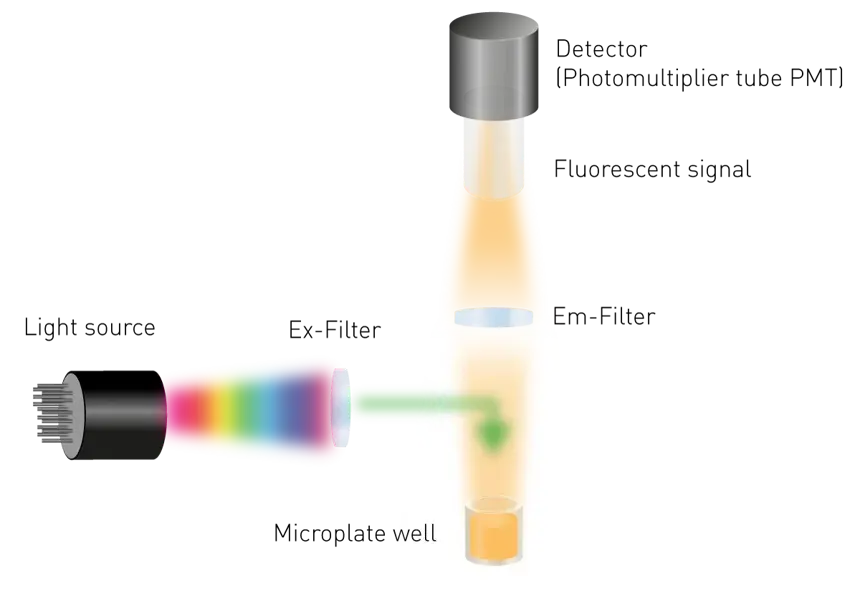
Fluorescence intensity has become one of the most important detection modes because it offers significantly greater sensitivity than absorbance.
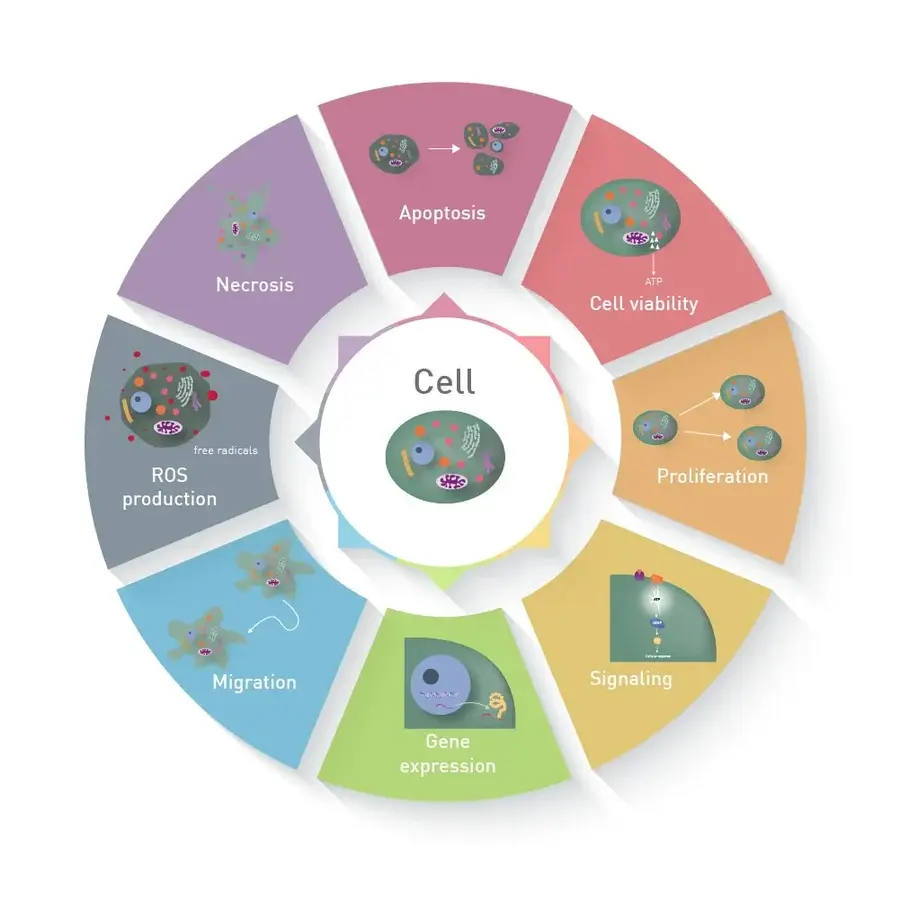
Fluorescence-based assays are widely used in cell biology, molecular biology, biochemistry, and drug discovery to measure cell viability, enzyme activity, intracellular signaling, reactive oxygen species, protein interactions, and nucleic acid concentrations.
The sensitivity of fluorescence measurements depends heavily on optical design. Instruments with LVF Monochromator technology provide researchers with the ability to access both filter-like sensitivity and monochromator flexibility in one system.
Luminescence is frequently considered the most sensitive detection technology available on a microplate reader. Because there is no excitation source, background interference is minimised, resulting in exceptional sensitivity and broad dynamic range. This makes luminescence plate readers particularly attractive for ATP assays, luciferase reporter gene assays, receptor-ligand interaction studies, cell viability measurements, and many drug discovery applications.
While absorbance, fluorescence intensity, and luminescence cover most routine laboratory requirements, advanced research applications often require specialized technologies.
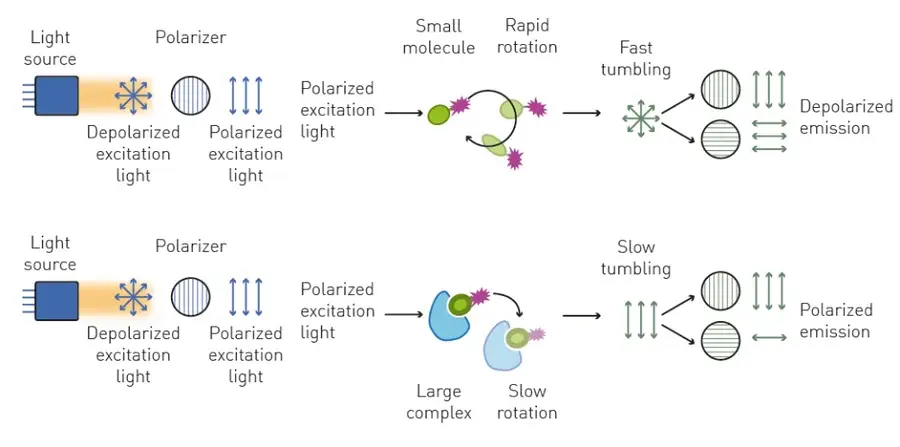
Fluorescence polarization is commonly used to study molecular interactions and binding events. Because changes in polarization are directly related to molecular size and mobility, this technology has become a valuable tool for competitive binding assays, receptor studies, and enzyme activity measurements.
By introducing a delay between excitation and measurement, Time-resolved fluorescence (TRF) significantly reduces background noise and improves assay sensitivity. This makes it particularly useful for biomarker detection, immunoassays, and cellular metabolism studies.
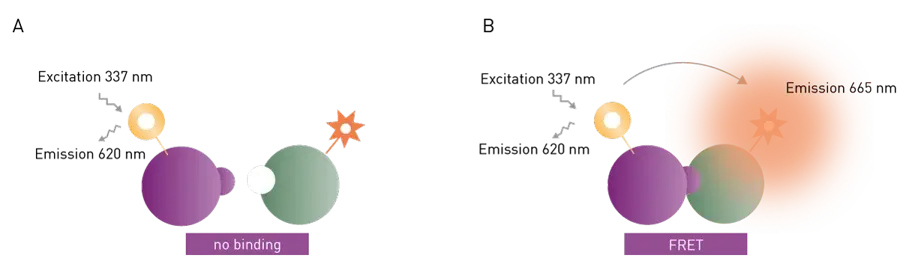
TR-FRET combines time-resolved fluorescence with Förster resonance energy transfer and has become a powerful technique for studying protein-protein interactions, receptor binding events, kinase activity, and high-throughput screening assays especially in pharmaceutical and biotechnology research.
AlphaScreen® and AlphaLISA® technologies have also become widely adopted in drug discovery and assay development because they enable highly sensitive, homogeneous assays without washing steps. Laboratories planning to enter these application areas should ensure that their chosen reader supports such technologies.
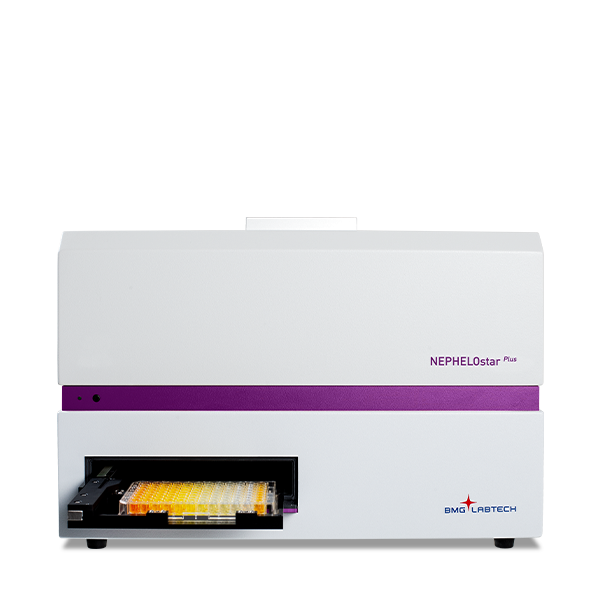
Nephelometry is a light-scattering technique used to detect and quantify insoluble particles suspended in a solution. Unlike absorbance measurements, which quantify light passing through a sample, nephelometry measures the light scattered by particles present in the well. Nephelometry is widely used to assess compound solubility, aggregation, and precipitation.
One consideration that is often overlooked when choosing the best microplate reader is the optical technology used for wavelength selection.
Filter-based readers are traditionally regarded as the benchmark for assay sensitivity. Optical filters transmit very specific wavelength ranges with high light transmission, making them particularly advantageous for demanding applications such as TR-FRET, or AlphaScreen®.
Monochromator-based readers offer a different advantage. Instead of relying on multiple dedicated filters, monochromators allow researchers to freely select excitation and emission wavelengths. Readers with monochromators enable in addition excitation and emission spectral scanning. This flexibility makes them particularly attractive for assay development laboratories and facilities that frequently use different fluorophores and assay chemistries.
BMG LABTECH’s patented LVF Monochromator uses linear variable filters to the select light of distinct wavelengths and bandwidths.
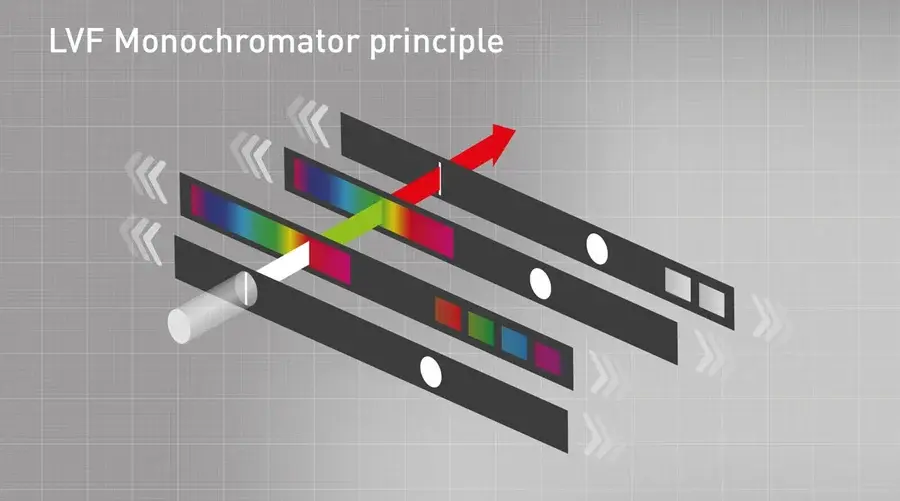
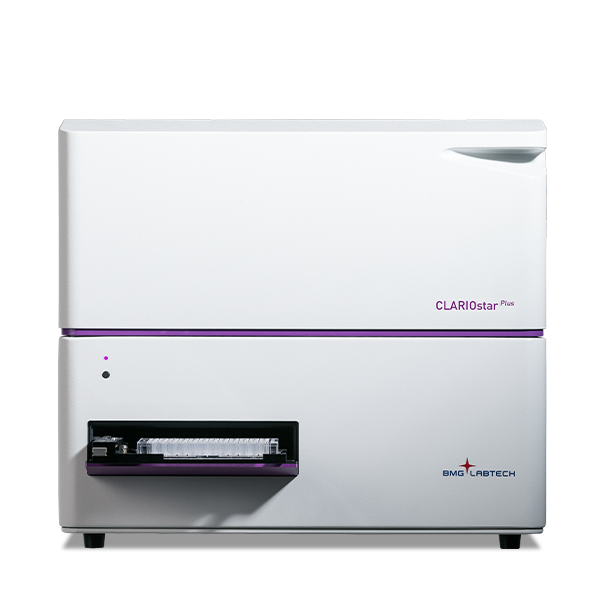
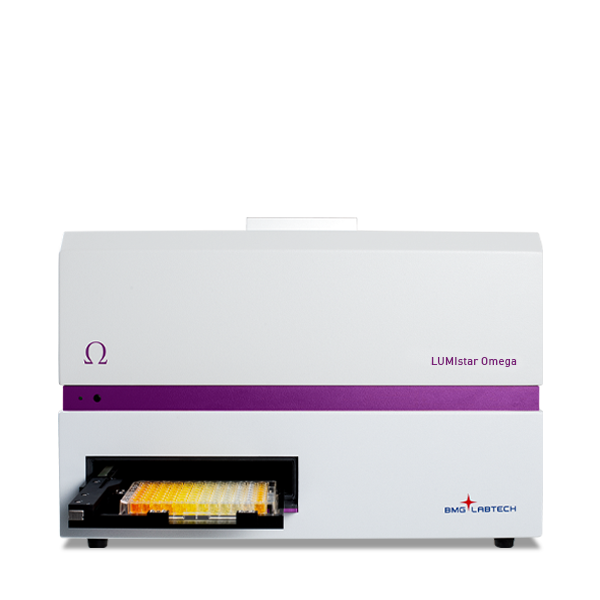
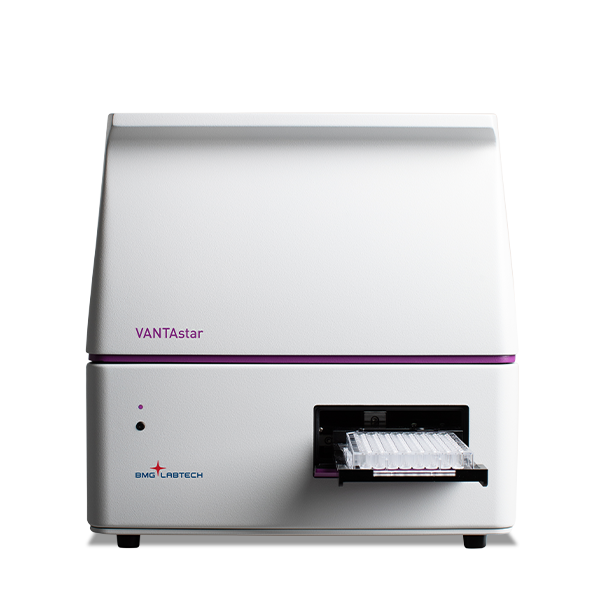
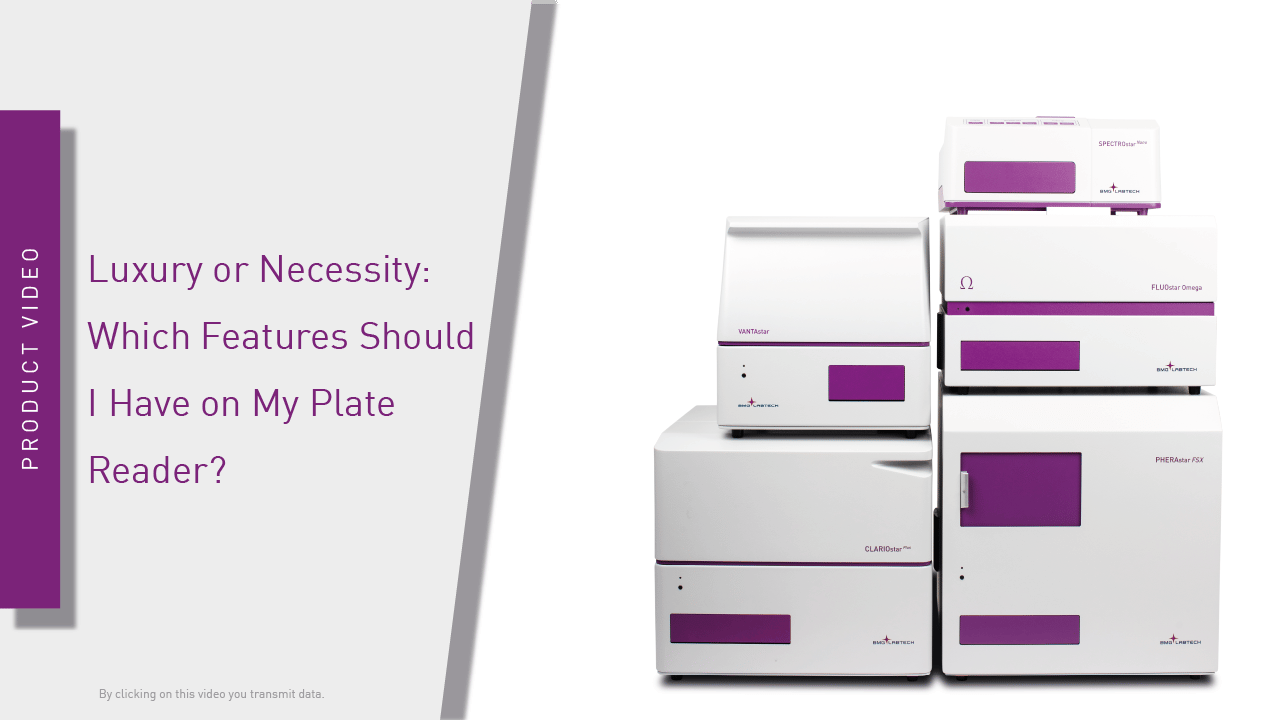
Modern microplate readers such as the VANTAstar and CLARIOstar Plus can combine both technologies in a single instrument. This approach allows researchers to maximize sensitivity when required while maintaining the flexibility needed for future assay development.
Another important decision is whether a single-mode or multi-mode reader best suits laboratory requirements.
Single-mode readers are designed around a specific detection technology and are particularly useful when measurements are highly standardized and unlikely to change. Laboratories performing routine assays or specialized long-term kinetics often benefit from the simplicity and cost-effectiveness of a dedicated instrument.
Multi-mode readers offer significantly greater flexibility. By combining absorbance, fluorescence, luminescence, and often advanced technologies within a single platform, they allow researchers to support a broad range of applications without investing in multiple instruments.
For laboratories with multiple users, diverse research areas, or evolving project portfolios, a multi-mode platform often represents the most cost-effective long-term solution. It reduces instrument footprint, simplifies training requirements, and enables researchers to adapt quickly to new scientific challenges.
Many emerging research areas require measurements under physiologically relevant conditions. Traditional endpoint assays provide only a snapshot of cellular behaviour, whereas live-cell assays allow researchers to monitor dynamic biological processes over time.
When selecting a microplate reader for live-cell applications, environmental control becomes increasingly important. Temperature regulation alone may not be sufficient. Researchers may also require precise control of CO₂ and O₂ concentrations. For instance, the Atmospheric Control Unit mimics physiological conditions and maintains healthy cell cultures during long kinetic experiments.
These capabilities are particularly valuable in fields such as cell biology, cancer research, immunology, neuroscience, and metabolism research, where cellular responses can change significantly over time.
Microplate readers capable of combining environmental control with kinetic measurements allow researchers to monitor biological processes continuously without disrupting the experimental system.
Laboratories vary considerably in the number of samples they process. Some academic research groups analyse a handful of 96-well microplates per week, while screening facilities may process hundreds of 1536-well plates every day.
Throughput requirements influence several aspects of instrument selection, including measurement speed, plate format compatibility, automation readiness, and data processing capabilities. A laboratory conducting occasional measurements will have different requirements than a pharmaceutical company running large-scale drug screening campaigns in 1536-well formats.
Automation compatibility becomes increasingly important as throughput increases. Readers that integrate seamlessly with liquid handling systems, robotic workstations, stackers, and automated incubators can significantly improve efficiency while reducing operator variability.
Researchers planning for future growth should therefore consider both current sample volumes and anticipated throughput requirements when choosing the best microplate reader.
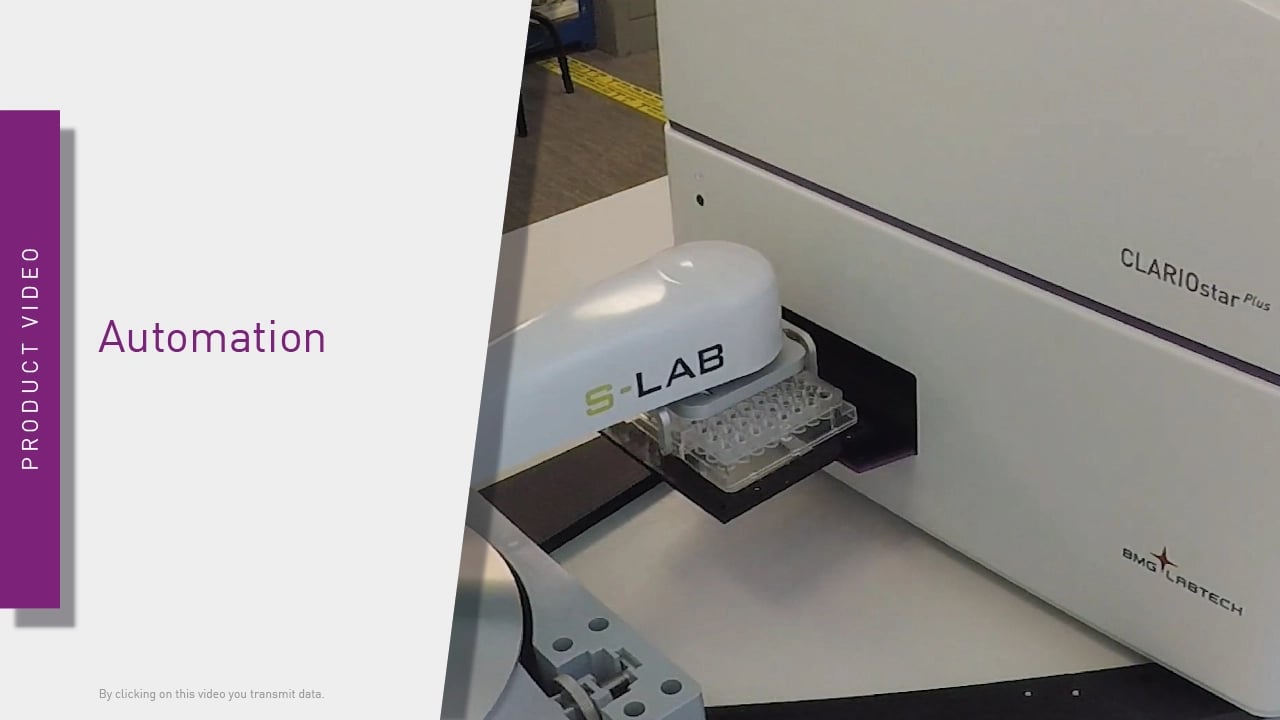
The capabilities of a microplate reader extend far beyond hardware specifications. Software increasingly plays a central role in experiment design, data acquisition, workflow management, and result interpretation.
Modern laboratories expect software to automate calculations, simplify assay setup, support kinetic measurements, generate publication-ready data, and facilitate regulatory compliance where necessary. Intuitive software can dramatically reduce training requirements and improve productivity across multiple users.
When evaluating instruments, researchers should therefore assess not only performance but also ease of use of the software and its licensing scheme to avoid hidden costs.
Microplate readers are long-term investments. A system selected today may remain in service for many years and support hundreds of research projects during its lifetime.
For this reason, future flexibility should be a key consideration. Laboratories should ask themselves whether additional detection modes may become necessary, whether throughput requirements are likely to increase, whether live-cell assays are anticipated, and whether future projects may require greater sensitivity or automation capabilities.
Upgradeable platforms can provide substantial advantages by allowing laboratories to adapt to new scientific demands without replacing their existing instrument. Such flexibility can reduce long-term costs while ensuring that the reader remains relevant as research priorities evolve.
Ultimately, choosing the best microplate reader requires balancing application requirements, sensitivity, flexibility, throughput, and future growth plans. There is no universal instrument that is ideal for every laboratory, but there is usually a solution that aligns closely with a laboratory's scientific goals.
By carefully evaluating applications, detection technologies, optical performance, environmental control requirements, software functionality, and future scalability, researchers can select a microplate reader that delivers reliable data today while remaining ready for tomorrow's challenges. The result is an instrument that not only supports current experiments but also serves as a valuable platform for future scientific discovery.
Powerful and most sensitive HTS plate reader
Most flexible Plate Reader for Assay Development
Flexible microplate reader with simplified workflows
Upgradeable single and multi-mode microplate reader series
Absorbance plate reader with cuvette port
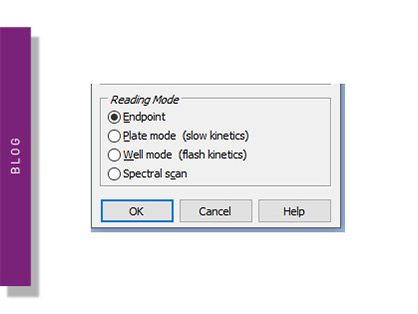
Endpoint and kinetic mode assays are used by scientists to study many processes in the life sciences. Learn about endpoint and kinetic modes on a microplate reader.
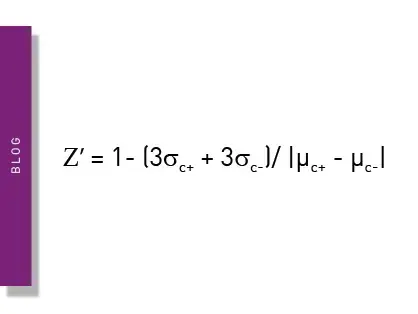
The Z prime value (Z’) is a statistical parameter that can provide practicable information on the quality of an assay. This blog looks at its usage and describes some examples of specific applications.
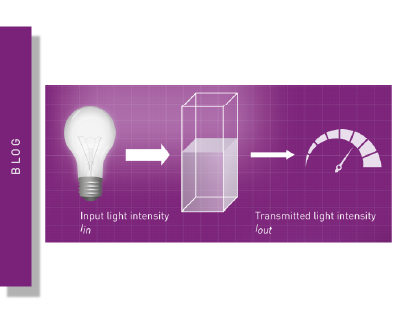
Optical density and absorbance measurements are widely used in the life sciences. This blog looks at practical applications and some of the fundamentals.
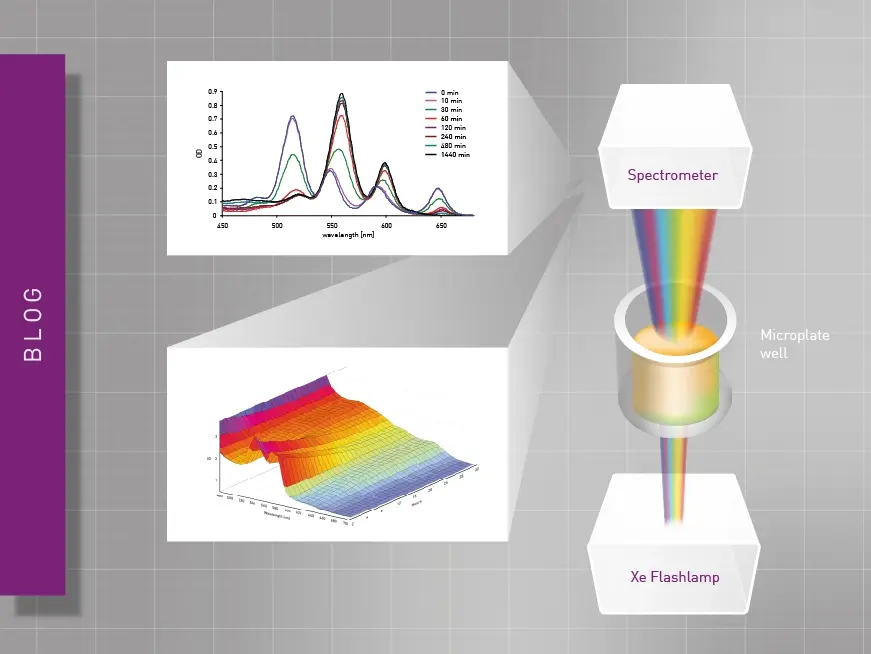
Researchers have different technology options available for absorbance measurements. This blog compares spectrometers and monochromators. What’s the difference?
ELISAs are a popular tool to detect or measure biological molecules in the life sciences. Find out how microplate readers can be used to advance research using immunoassays.