
Detection of bacterial endotoxins using the PYROSTAR™ ES-F/Plate LAL assay
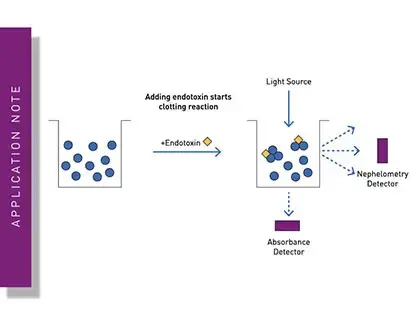
Perform the PYROSTAR ES-F/Plate LAL test your way— BMG LABTECH readers support both turbidimetric and nephelometric evaluation for maximum flexibility.
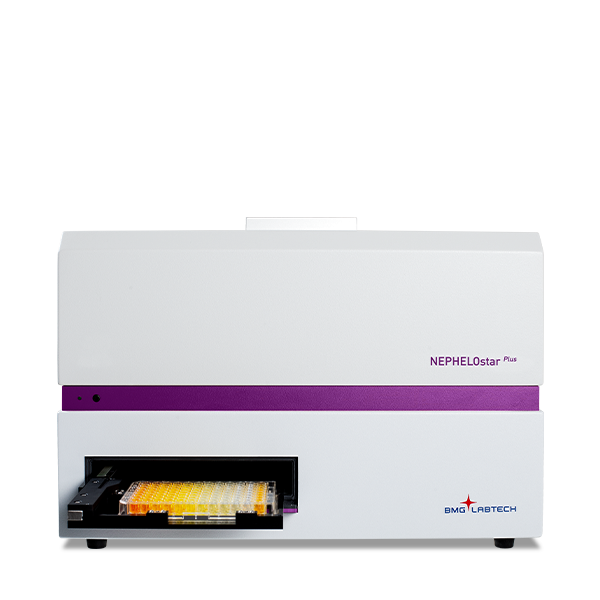
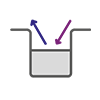
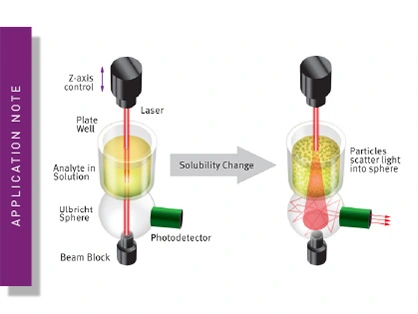
The world’s first and only laser-based microplate nephelometer was developed to meet high-throughput demands for fast compound solubility screens. The NEPHELOstar® Plus detects insoluble particles in liquid samples by measuring forward scattered light and can be used for turbidity measurements, drug solubility screening, protein binding kinetics, microbial growth, and petroleum process control.

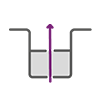
The NEPHELOstar Plus is a microplate nephelometer with a high-intensity laser diode. It can be up to thirty times more sensitive than traditional transmission optical density readers that measure the reduction in direct light passing through a sample well. Thanks to its speed, flexibility, and performance, the NEPHELOstar Plus allows more applications to be adapted to microplate-based laser nephelometry than ever before.
The NEPHELOstar Plus is for research use only.

Perform the PYROSTAR ES-F/Plate LAL test your way— BMG LABTECH readers support both turbidimetric and nephelometric evaluation for maximum flexibility.
Nephelometric turbidity units (NTUs) refer to the concentration of particles to describe the quality of water. Read how the NEPHELOstar® Plus microplate nephelometer determines NTUs in low sample volume.
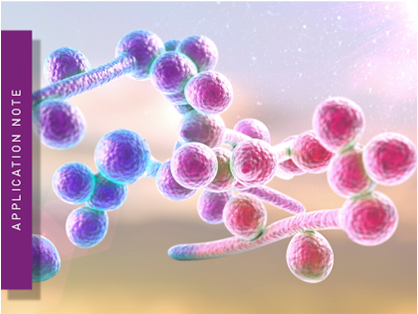
Laser nephelometry was used for the rapid determination of the solubility of potential antimycotic drug compounds and for the measurement of fungal growth in the microplate format.
An alternative method to test Rheumatoid Factors by microplate nephelometry provides an inexpensive assay that can be used in medium- to high-throughput labs. Read more here!
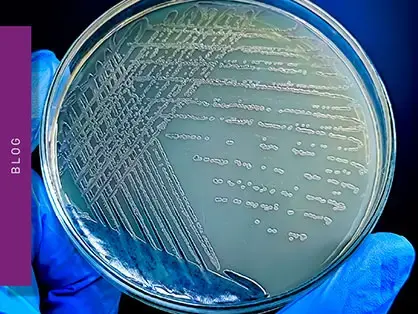
Laser nephelometry is a reliable and sensitive technique to monitor microbial growth. Check out its good correlation with absorbance turbidity measurements in this AppNote!
Tired of performing solubility tests for your compound libraries? Nephelometry offers a rapid, reliable and low-cost method for kinetic solubility screenings in high-throughput!
Nephelometry (light scattering)
Endpoint and kinetic
Up to 384-well plates
Robot compatible
Self-monitoring laser diode
Wavelength 635±10 nm
Stability <0.2% deviation
Lifetime 20,000 hours
Output: 1 mW
Selectable beam width: 1.5 to 3.5 mm
Selectable intensity 0-100%
Scattering angle: detects up to 80° full cone angle
Side window photodiode detector
Photodiode
Wavelength 635±10 nm
Depending on particle size and liquid properties
Silica detection (particle size 0.5 to 10 µm) 800 nM
Dynamic Range: 5 decades
Maximum count rate (2,000,000 Relative Nephelometry Units (RNUs) per second)
Depend on assay conditions and liquid surface stability
Shortest times possible: 16 s (96), 47 s (384)
Linear, orbital, and double-orbital with user-definable time and speed
System to inject an atmosphere or to pull a vacuum into the reader
+4 °C above ambient up to 45 °C
The upper heating plate of the incubation chamber operates at 0.5 °C more than the lower plate. This prevents condensation build-up on the lid or sealer
Multi-user Reader Control and MARS Data Analysis Software included
FDA 21 CFR Part 11 compliant
Width: 44 cm, depth: 48 cm, height: 32 cm; weight: 25 kg
Up to 2 built-in reagent injectors
Injection at measurement position (6 to 384-well)
Individual injection volumes for each well (3 to 500 µL)
Variable injection speed up to 420 µL/s
Up to four injection events per well
Reagent back flushing
Microplate incubator and shaker
Actively regulates O2 and CO2 0.1-20%
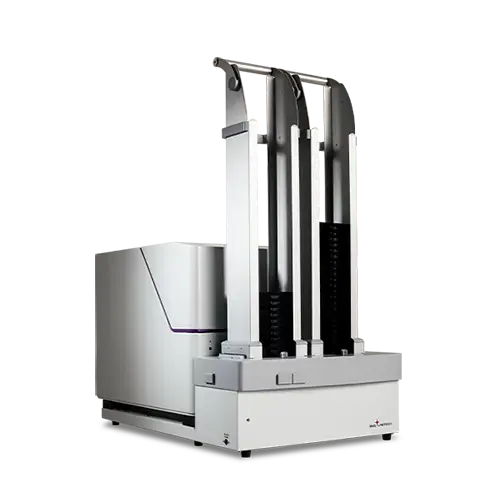
Magazines for up to 50 plates - continuous loading feature
Please contact your local representative for upgrades including options such as detection modes, reagent injectors, etc
Intelligent microplate incubation
Microplate handling system
Enhanced cell-based assays