Microplate readers for sensitive, flexible assay detection
Explore microplate readers designed to support a wide range of life science workflows, from routine assays to more demanding research and screening applications. With options for sensitive detection, speed and ...
Trusted and loved by:
Precision detection technology for demanding microplate workflows
Modular and upgradeable, they can fulfil your future requirements, evolving with your future lab needs and supporting new projects and application changes
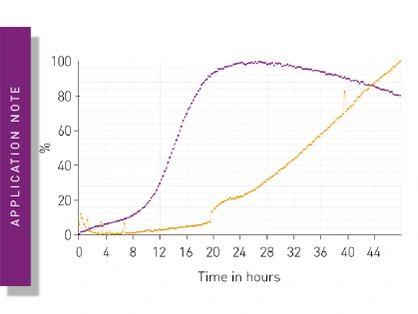
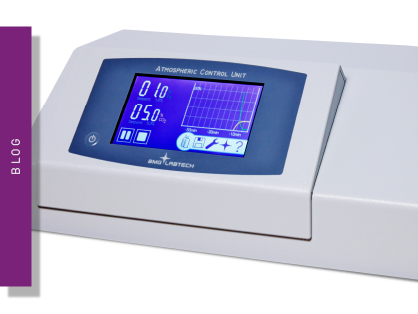
Want to differentiate between apoptosis and necrosis? In real-time? Learn how the CLARIOstar microplate reader detects an Annexin V-based assay in a controlled environment.
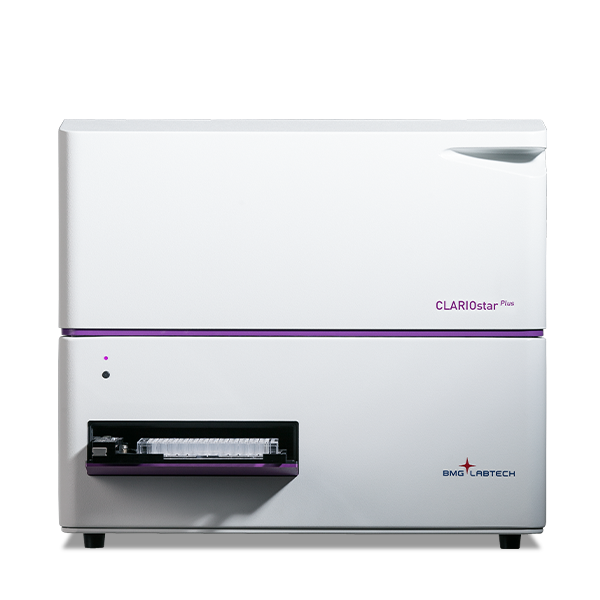
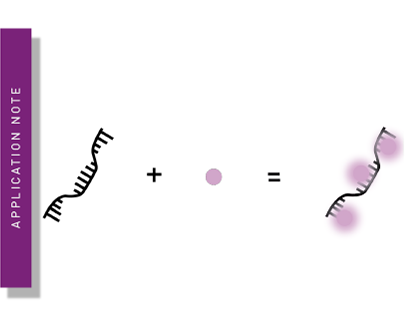
Quantification of RNA in 10 µl volume? Read here how our CLARIOstar Plus, supported by the Echo® Liquid Handler, quantifies CRISPR RNA with a sample volume of 0.05 µl and a final volume of 10 µl.
This article highlights the characterisation of hemoglobin and how microplate readers can help to monitor its state or condition based on variations in its absorbance spectrum.
A benchtop laboratory instrument that measures optical signals (absorbance, fluorescence, luminescence) from wells in microplates to quantify biological, chemical, or physical events.
What types of assays can be performed using a microplate reader?
Microplate readers support a wide range of assays including ELISA, enzyme activity, cell viability, DNA/RNA and protein quantification, protein/protein interaction assays and reporter gene assays among others.
What are the key features to consider when choosing a microplate reader?
Important features include detection modes (absorbance, fluorescence, luminescence), plate formats supported (96-, 384-, 1536-well), sensitivity, speed, throughput capacity, software capabilities for data analysis, and budget. If unsure, request a demo or consult support.
What plate formats are supported?
Most readers support 96-well plates; many also handle 384-well and sometimes 1536- and 3456-well formats.
Can a microplate reader be integrated with other laboratory equipment?
Yes, many modern microplate readers offer integration options with robotic systems and laboratory automation platforms to enhance workflow efficiency.
What maintenance is required for optimal performance of a microplate reader?
BMG LABTECH microplate readers are built to be robust and reliable. No calibration of optical components is required. Recommended maintenance includes plate carrier offset adjustments, cleaning optical components, software/firmware updates, and routine performance checks.
What kinds of signals can a microplate reader detect?
Absorbance (UV-Vis), fluorescence intensity, luminescence, time-resolved fluorescence, TR-FRET, fluorescence polarization and AlphaScreen/LISA® depending on the model.
How does software facilitate data analysis in microplate readers?
Advanced software provides tools for data collection, analysis, visualization, and reporting which streamline interpretation and decision-making processes.
Can a microplate reader handle multiple assays in one run?
Yes, many models support multi-mode reading, enabling you to switch between absorbance, fluorescence, and luminescence within a single session or run.
Where can I find technical support or training for operating a microplate reader?
Additional details can be found on the official BMG LABTECH website or by contacting their sales representatives directly.