
microplate-reader-header microplate-reader-header-mobile

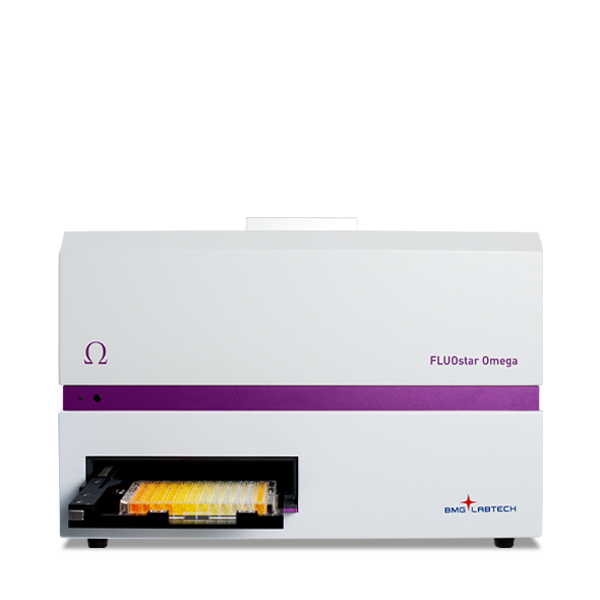
Fluorometer plate reader

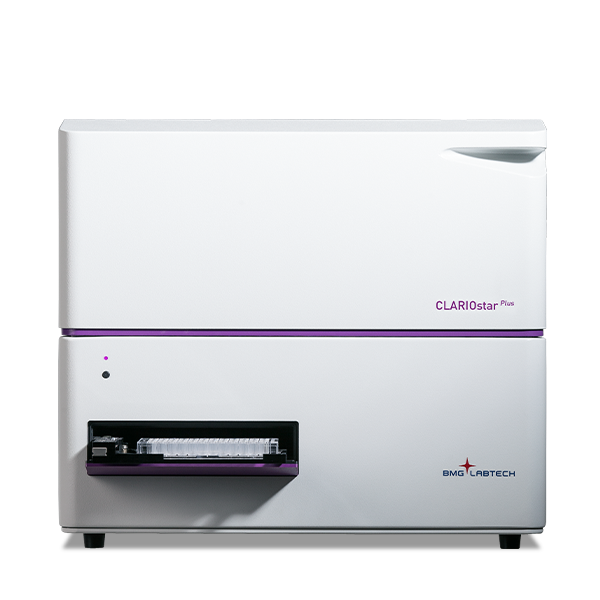
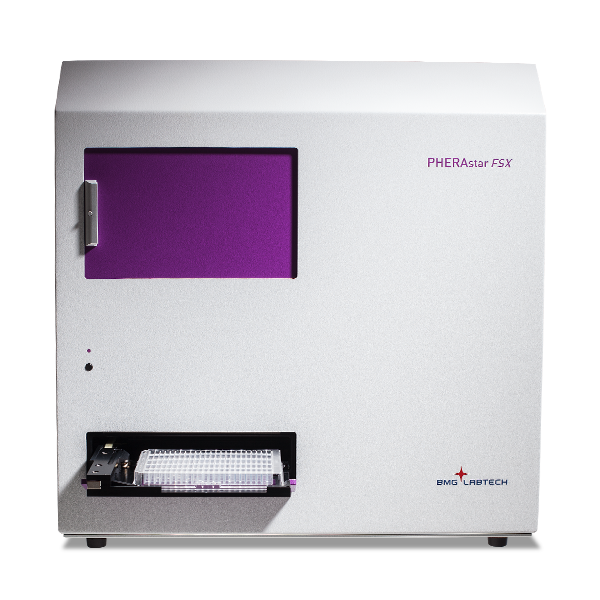
Get the sensitive fluorescence detection your assays demand. Explore fluorometer plate readers built for accuracy, speed, and consistent performance across everyday research workflows.

Trusted and loved by:customer-logos


Highly-sensitive fluorescence microplate readers

Detect low-abundance targets with confidence using high-sensitivity fluorescence microplate readers engineered for exceptional signal-to-noise, broad dynamic range, and consistent reproducibility.


Features of our Fluorometer Plate Reader:

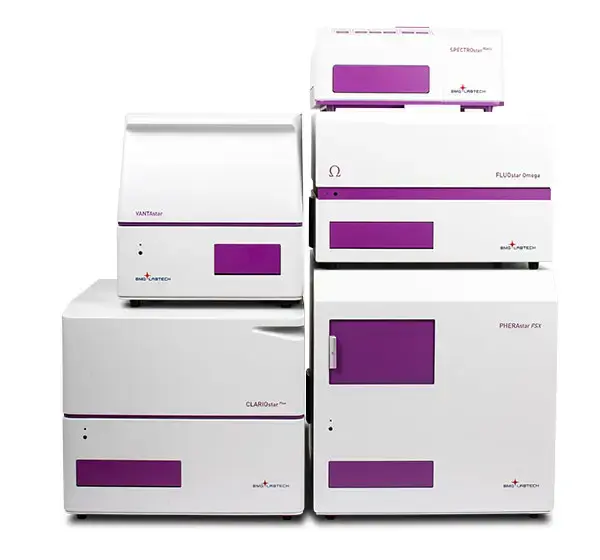
Our easy-to-use fluorometer plate readers are modularly built, meaning that you can add additional technologies at any time, such as AlphaScreen®, TR-FRET, and UV/Vis absorbance measurements.

Microplate reader Omega Series

Application Notes

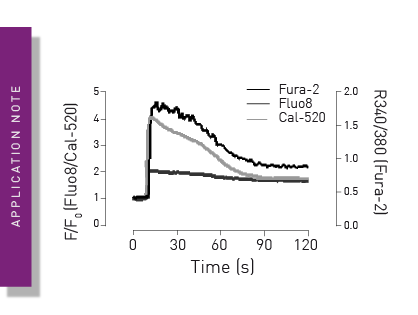
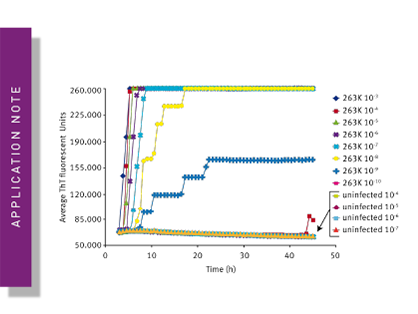
See how scientists and researchers are using BMG LABTECH’s fluorometers

Frequently asked questions

  • What is a fluorescence plate reader?

    A fluorescence plate reader is a lab instrument used to detect and quantify fluorescent signals in microplates. It is primarily employed in life science research and drug discovery to measure biomolecular interactions, enzyme activities, and cell-based assays.
  • How does a fluorescence plate reader work?

    The device excites fluorescent molecules in the sample with specific wavelengths of light. The emitted fluorescence is then detected by sensors, allowing quantification of the target analytes based on their fluorescent properties.
  • What types of assays can be performed using a fluorescence plate reader?

    A variety of assays including enzyme activity tests, DNA/RNA quantification, protein analysis, cell viability assays, and ligand binding studies can be conducted using a fluorescence plate reader.
  • What are the key features to consider when choosing a fluorescence plate reader?

    Important features include sensitivity, wavelength flexibility, throughput capacity, compatibility with different plate formats, data analysis capabilities, reliability and ease of use.
  • Do I need a fixed-filter or monochromator-based reader?

    Filter-based readers are cost-effective and sensitive but limited to fixed wavelengths. Monochromator readers offer flexible wavelength selection. BMG LABTECH’s LVF Monochromators combine the sensitivity of filters with the versatility of monochromators.
  • What is dynamic range and why does it matter?

    Dynamic range is the range between the lowest and highest signal a reader can measure. It shows how well the reader can detect very weak and very strong signals in one run. In addition, a wide dynamic range avoids signal saturation and reduces the need for repeated dilutions or multiple assay runs.
  • Can a fluorescence plate reader be integrated with other laboratory equipment?

    Yes, many modern fluorescence plate readers offer integration options with robotic systems and data management software to streamline workflows and enhance productivity.
  • How do BMG LABTECH's fluorescence plate readers stand out in the market?

    BMG LABTECH’s instruments are known for their high sensitivity, customizable configurations, robust build quality, user-friendly interface, and advanced data analysis features tailored for diverse research needs.
  • What maintenance is required for a fluorescence plate reader?

    BMG LABTECH microplate readers are built to be robust and reliable. No calibration of optical components or light source is required. Recommended maintenance includes plate carrier offset adjustments, cleaning optical components, software/firmware updates, and routine performance checks.
  • Can it handle live-cell workflows?

    BMG LABTECH plate readers are well-equipped to handle live-cell workflows, making them suitable for a wide range of cell-based assays in life science research and drug discovery. Relevant features include temperature, O2 and CO2 control, focal adjustment, bottom reading and kinetic measurements.
Newsletter Sign-up