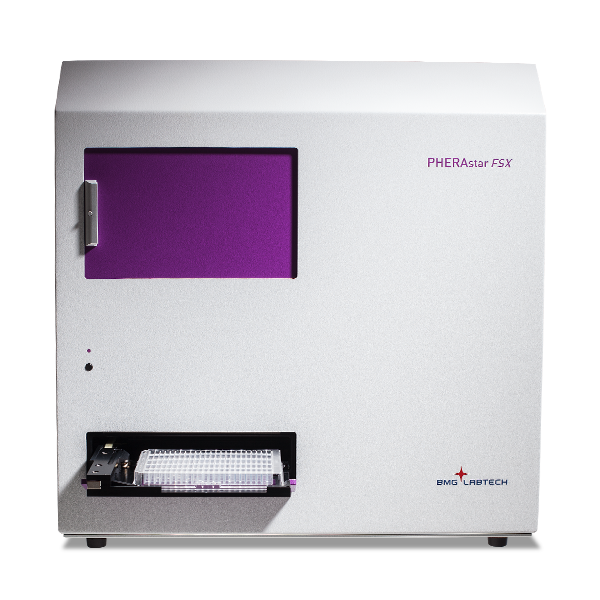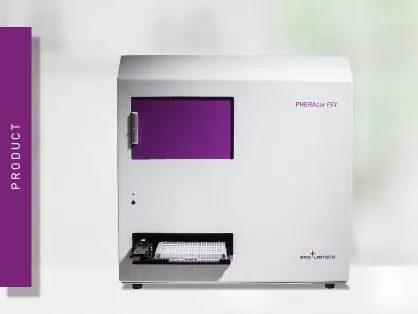
PHERAstar FSX
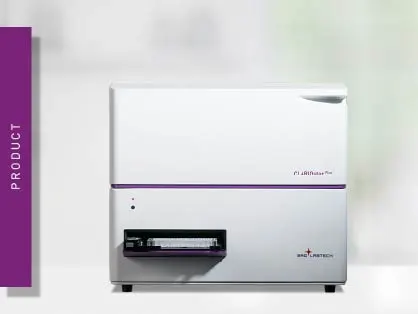
Powerful and most sensitive HTS plate reader





Dr. Martin Mangold works as an Applications Specialist at BMG LABTECH headquarters in Ortenberg, Germany. He studied biology with a focus on biochemistry and cell biology at the University of Bonn before specializing in pharmaceutical sciences and drug interactions in his doctoral studies. During his time in the pharmaceutical department, Dr. Mangold gained expertise in protein sciences, binding and interaction studies, and enzyme kinetics as part of an interdisciplinary team of chemists, pharmacists and biologists. Since 2021, Dr. Mangold has been part of the BMG LABTECH team where he authors application notes, performs training courses and supports scientific customers.

MitoXpress Xtra has been discontinued by Agilent and was replaced by Mito-rOCR which is based on a streamlined, oil-free approach. Read in this application note “AN418: Fluorescence-Based Quantification of Mitochondrial Oxygen Consumption Using the Mito-rOCR Assay” how the CLARIOstar Plus and Mito-rOCR Assay combine seamlessly to deliver a simple workflow for fast and reliable OCR measurements.
Mitochondrial dysfunction is implicated in numerous disease states and is also a major mechanism of drug-induced toxicity. Oxygen consumption is one of the most informative and direct measures of mitochondrial function. Traditional methods of measuring oxygen consumption are hampered by the limitations of low throughput and high complexity.
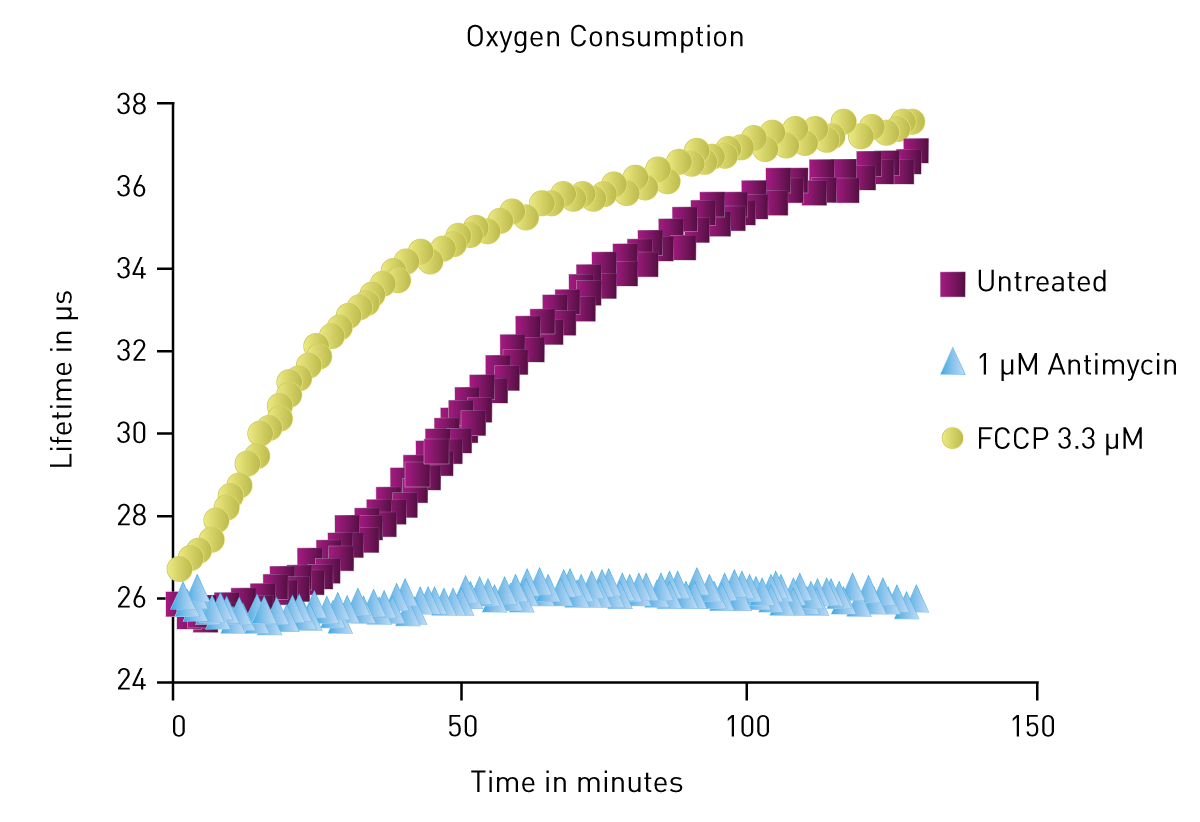
The MitoXpress®-Xtra assay from Agilent Technologies solves these limitations by allowing convenient, plate-based analysis of mitochondrial function. The assay employs MitoXpress®, one of a family of phosphorescent oxygen-sensitive probes developed by Agilent. This time-resolved fluorescence assay is based on the ability of O2 to quench the excited state of the MitoXpress® probe. As the test material respires (e.g., isolated mitochondria, cell populations, small organisms, tissues, and enzymes), O2 is depleted in the surrounding solution/environment, which is seen as an increase in probe signal. Changes in oxygen consumption reflecting changes in mitochondrial activity are seen as changes in the MitoXpress® probe signal over time.
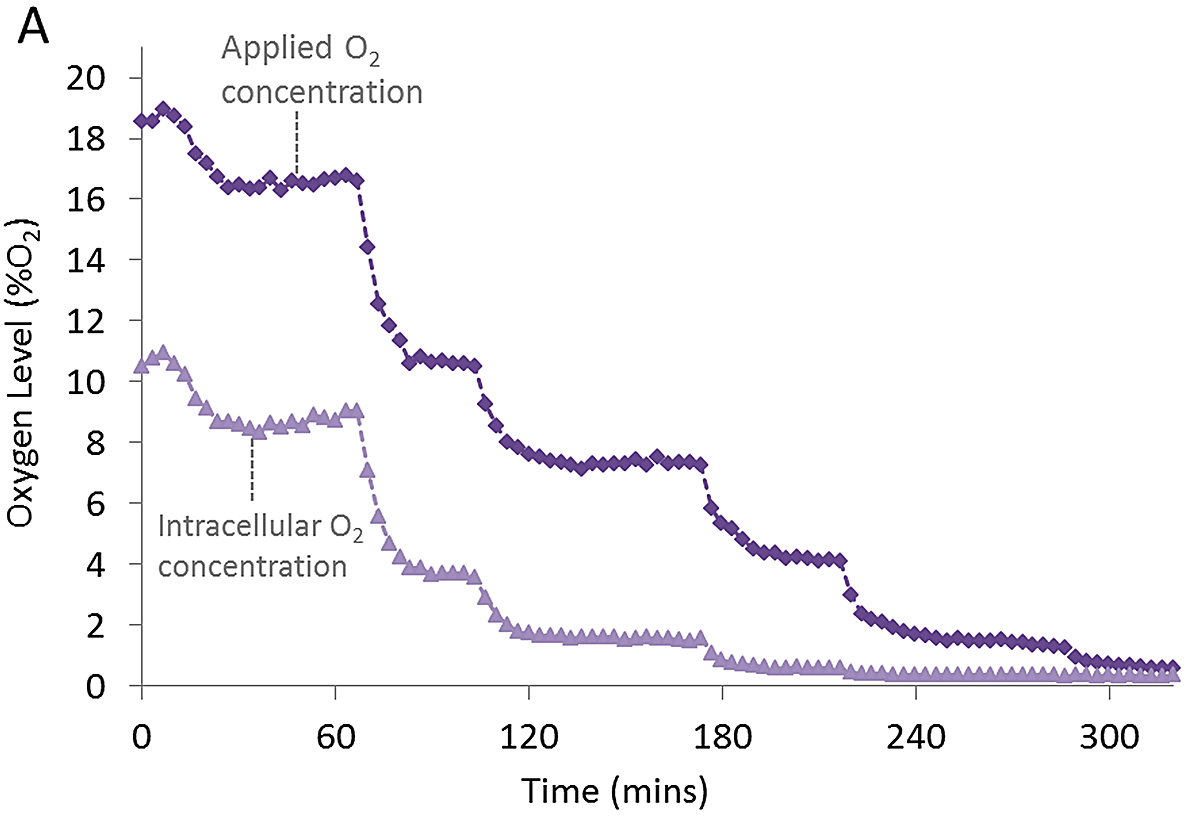
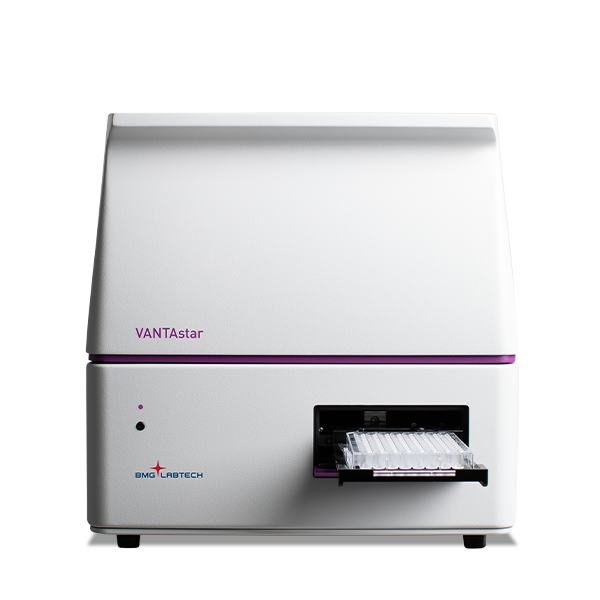
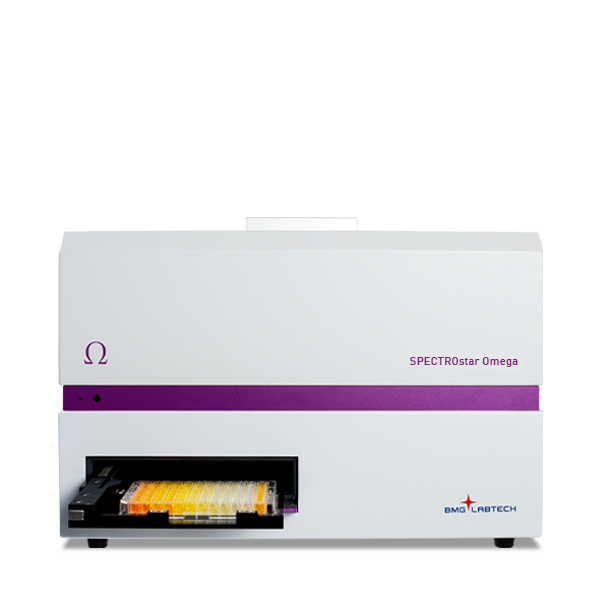
The assay is non-chemical and reversible; a decrease in oxygen consumption (an increase in O2 levels) is seen as a decrease in probe signal. MitoXpress® can be analyzed using VANTAstar®, CLARIOstar® Plus, and Omega series fluorescence plate readers in Time-Resolved Fluorescence mode, using standard 96- and 384-well microplates. The MitoXpress®-Xtra assay combines the high data quality and information content of the oxygen electrode approach, with the throughput and convenience of microplate-based assays. These capabilities make MitoXpress®-Xtra the ideal tool for rapid compound screening, IC50 generation, and the application of structure-activity relationship approaches.
Examples on the detection of the MitoXpress®-Xtra assay on BMG LABTECH plate readers are discussed in the application notes: Real-time monitoring of intracellular oxygen using MitoXpress-Intra, Real-time measurement of intracellular O2 in mammalian cells, Measuring changes in cellular metabolism by monitoring extracellular acidification and oxygen consumption in real-time and The CLARIOstar with ACU exposes cells to ischemia-reperfusion conditions and monitors their oxygenation.
Powerful and most sensitive HTS plate reader
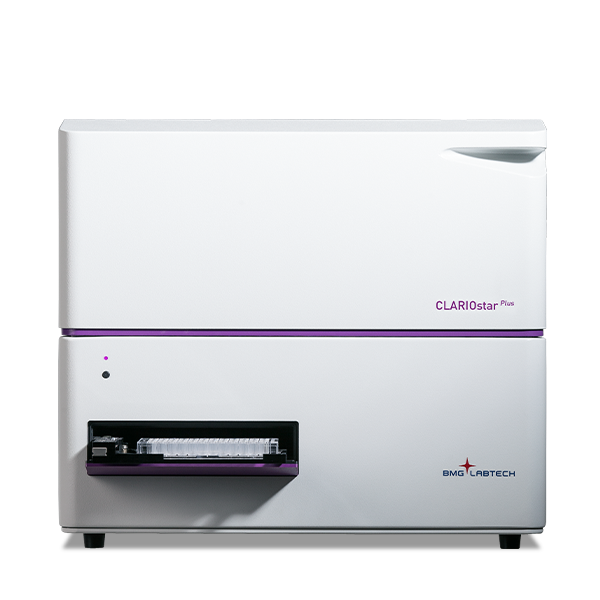
Most flexible Plate Reader for Assay Development
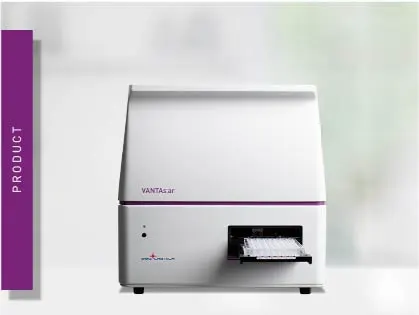
Flexible microplate reader with simplified workflows
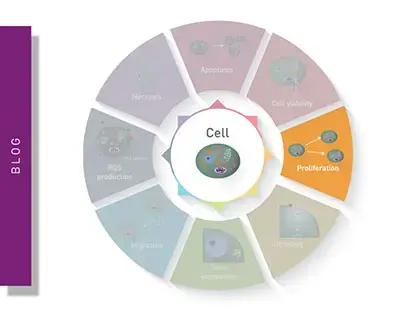
Discover the essential features of cell proliferation assays, their applications in research, and how to select the right assay for successful experiments.
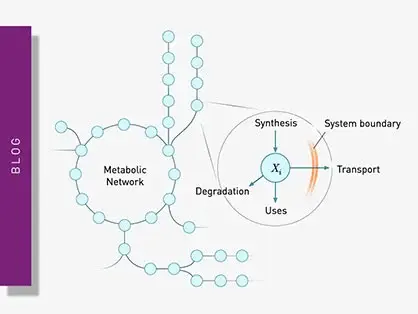
Explore metabolic flux analysis, its significance in research, and how microplate readers enhance measurements for insights.
Explore the vital role of mitochondrial metabolism in cellular function, its measurement techniques, and how microplate readers enhance research in this field.
Explore the intricacies of cancer metabolism, the Warburg effect, and how microplate readers aid in understanding these critical processes in cancer cells.
Learn about applications for bacterial metabolism on a microplate reader.
Energy makes life possible. But where does it come from? Cellular metabolism plays a crucial role in all living organisms as almost every cellular process requires energy.