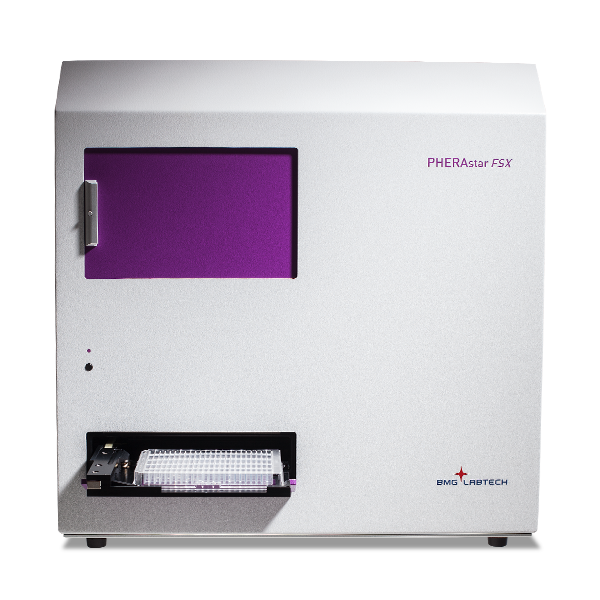
PHERAstar FSX
Powerful and most sensitive HTS plate reader





Tobias Pusterla’s scientific background spans veterinary biotechnology, cancer cell biology, and the molecular mechanisms underlying inflammation‑driven tumorigenesis. After graduating in Veterinary Biotechnology at the University of Milan, Italy, he worked in mouse mutagenesis before completing a Ph.D. in Cellular and Molecular Biology through a joint program between the Open University of London, UK and the San Raffaele Scientific Institute, Milan, Italy. He later conducted postdoctoral research at the German Cancer Research Center (DKFZ) in Heidelberg, Germany, focusing on tumor biology, the tumor microenvironment, and the role of chronic inflammation in cancer development. His scientific work has contributed to understanding how damage‑associated molecular signals drive immune activation, cell migration, inflammation, and tumorigenesis, helping to clarify fundamental pathways linking cellular stress responses to physiological and pathological outcomes. After more than 13 years of research experience, he joined BMG LABTECH in 2013. Here, he oversees global marketing activities, including the creation of scientific content and the coordination of application support.

The Oxygen Radical Absorbance Capacity (ORAC) assay is a method that measures the antioxidant capacity of a substance. The ORAC assay measures a fluorescent signal from a probe that is quenched in the presence of Reactive Oxygen Species (ROS). The addition of an antioxidant absorbs the generated ROS, allowing the fluorescent signal to persist. Trolox® (6-hydroxy-2,5,7,8-tetramethylchromane-2-carboxylic acid) is a vitamin E analog and a known antioxidant. It is used as a standard by which all unknown antioxidants are compared. Modifications of the ORAC assay include the use of fluorescein as the fluorescent probe (ORACFL), the separation of hydrophilic and lipophilic antioxidants to obtain total antioxidant capacity, and an adaptation to a high-throughput platform.
The ORAC assay is unique in that its ROS generator, AAPH (2,2’-azobis(2-methylpropionamidine) dihydrochloride), produces a peroxyl free radical upon thermal decomposition. This free radical is commonly found in the body, making this reaction biological relevant. Furthermore, AAPH is reactive with water and lipid-soluble substances, so it can measure total antioxidant potential.
The antioxidant capacity of food can help to lower the concentration of free radicals in the body. While there is limited data showing a direct correlation between the antioxidant capacity of food and its effects on health, it is generally believed that eating foods that are high in antioxidants is beneficial. Accordingly, ORAC is a valuable tool to assess the antioxidant capacity of foods as shown in the application note Antioxidant Capacity determination in plant samples and food products.
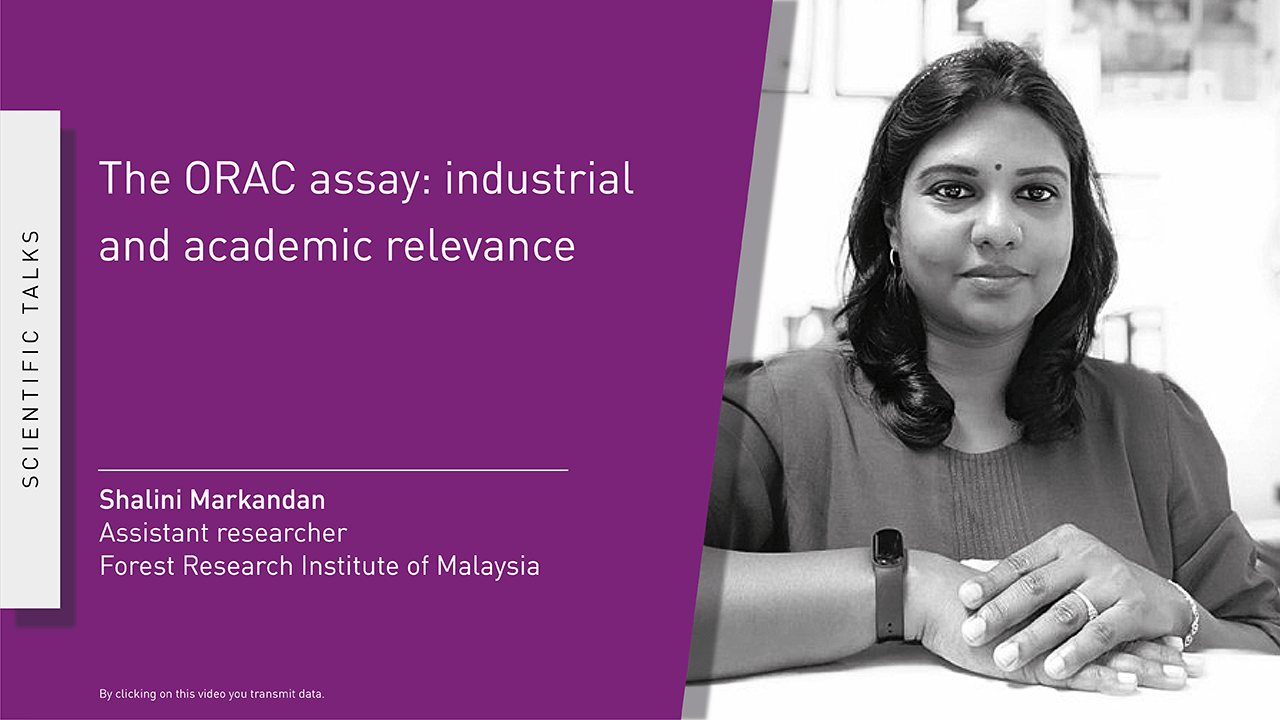
ORAC assay is relevant for the measurement of the antioxidant capacity in academic research as well as for industrial purposes. In this webinar, Shalini Markandan (Forest Research Institute of Malaysia) discusses the most common assay misconceptions, a better way to interpret values, challenges in doing ORAC for beginners, and how BMG LABTECH microplate readers and the MARS data analysis software can help to automate data calculation.
Alternatively to the ORAC assay, the AOP-1 assay and the ROS-GloTM assay offer antioxidant assay approaches that allow to study the properties of antioxidants in living cells.
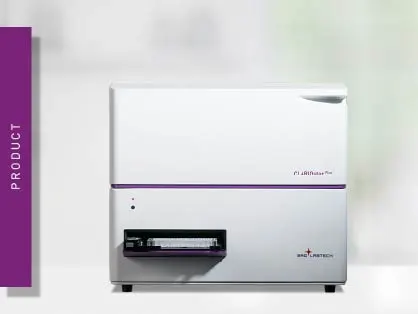
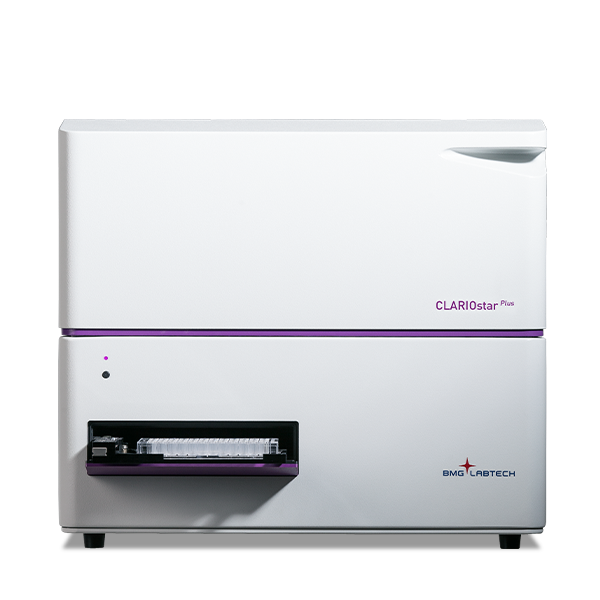
Powerful and most sensitive HTS plate reader
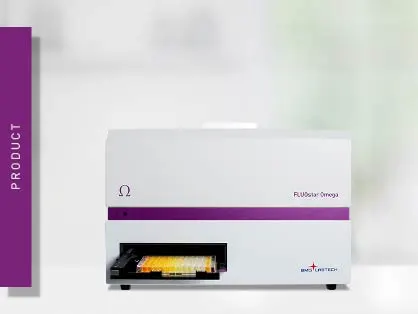
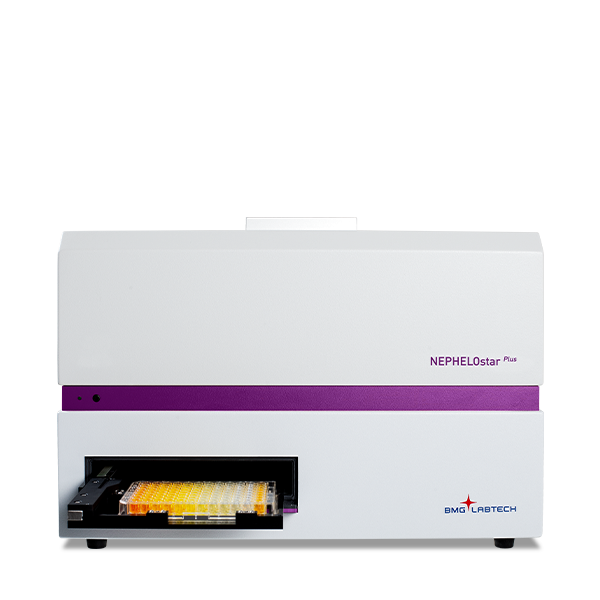
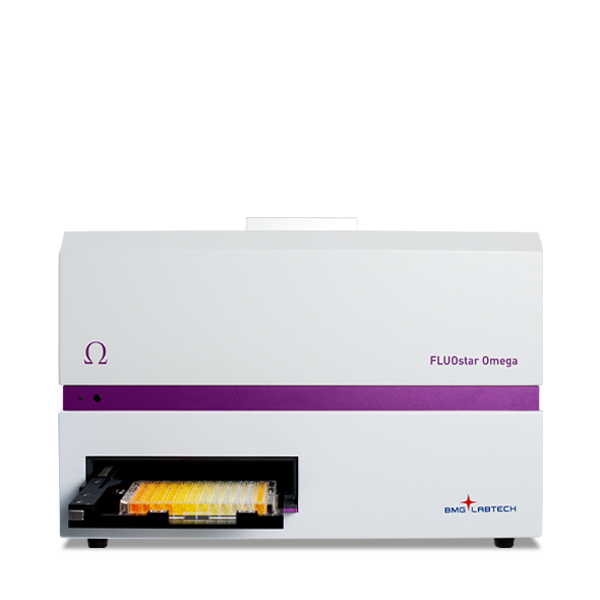
Most flexible Plate Reader for Assay Development
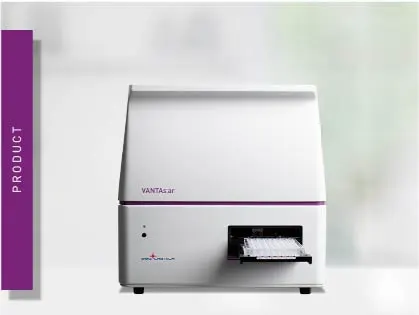
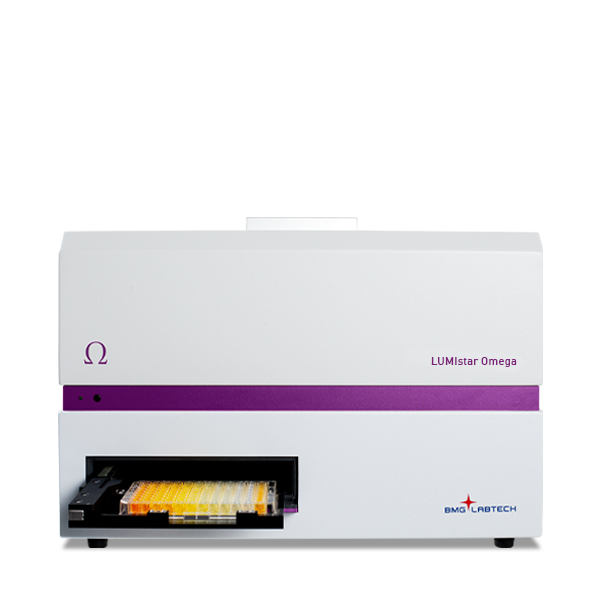
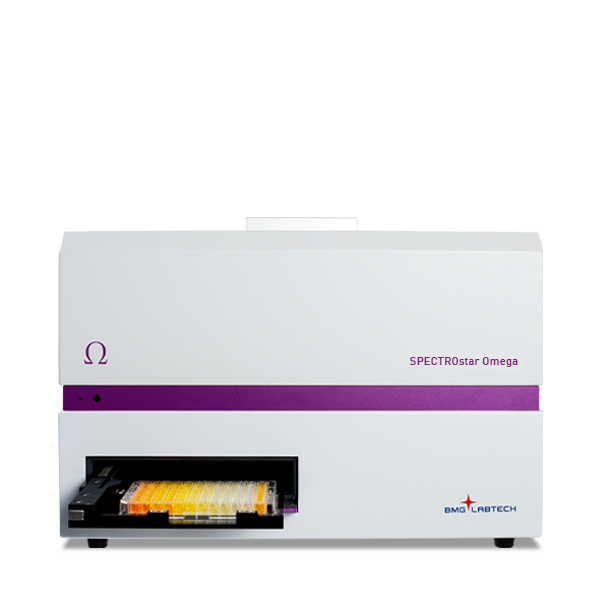
Upgradeable single and multi-mode microplate reader series
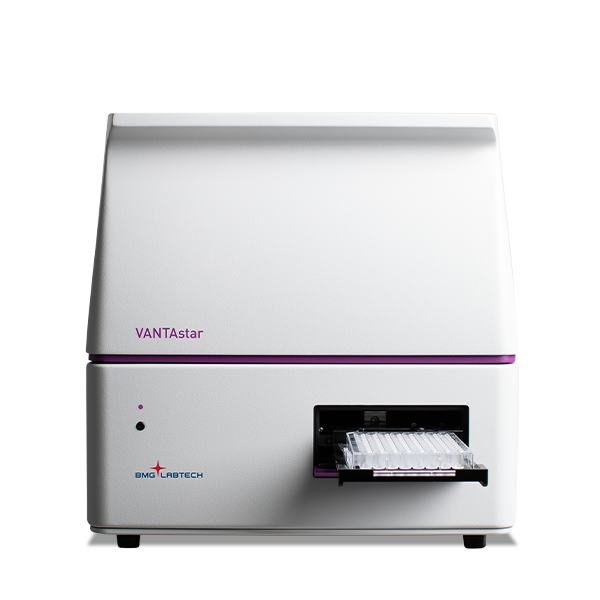
Flexible microplate reader with simplified workflows
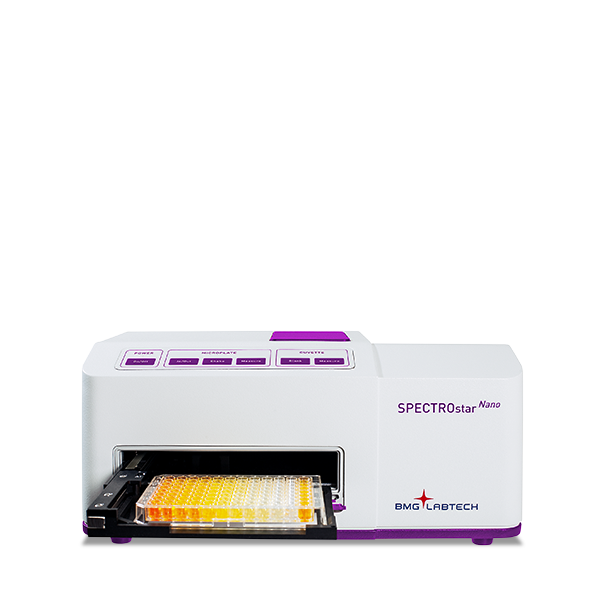
Read here how absorbance-based methods on the SPECTROstar Nano can be used for quality testing of alcohol.