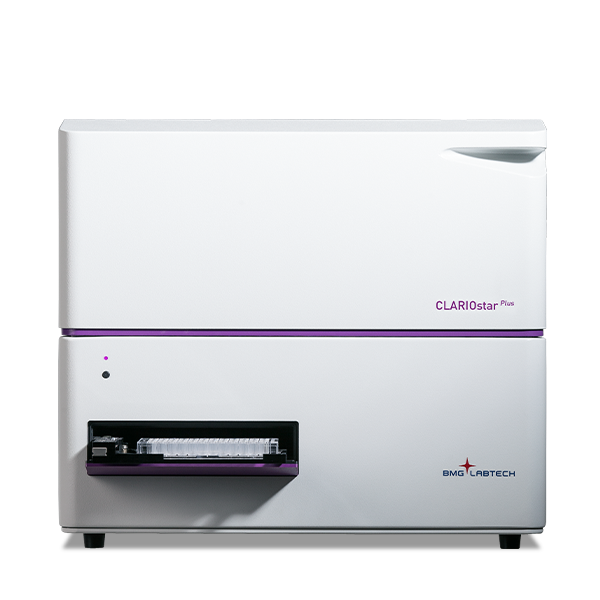
CLARIOstar Plus
Most flexible Plate Reader for Assay Development





Dr. Martin Mangold works as an Applications Specialist at BMG LABTECH headquarters in Ortenberg, Germany. He studied biology with a focus on biochemistry and cell biology at the University of Bonn before specializing in pharmaceutical sciences and drug interactions in his doctoral studies. During his time in the pharmaceutical department, Dr. Mangold gained expertise in protein sciences, binding and interaction studies, and enzyme kinetics as part of an interdisciplinary team of chemists, pharmacists and biologists. Since 2021, Dr. Mangold has been part of the BMG LABTECH team where he authors application notes, performs training courses and supports scientific customers.

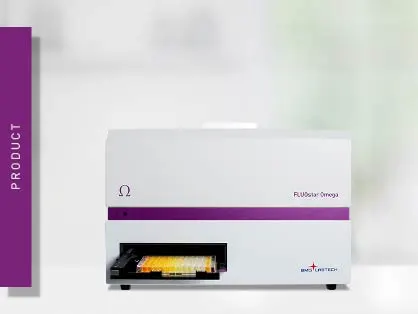
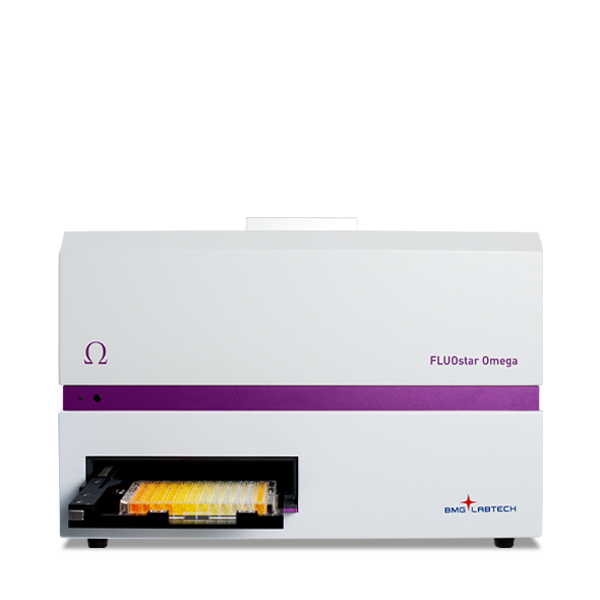
Therefore, automated growth assays of gut bacteria in 96-well microplates are conducted in the FLUOstar Omega microplate reader which allows accurate temperature control, processing of large numbers of samples, documenting growth characteristics and effects from various forms of bioactives. The instrument also includes a robust optimized heavy duty plate transport mechanism that makes long term shaking kinetic experiments possible.
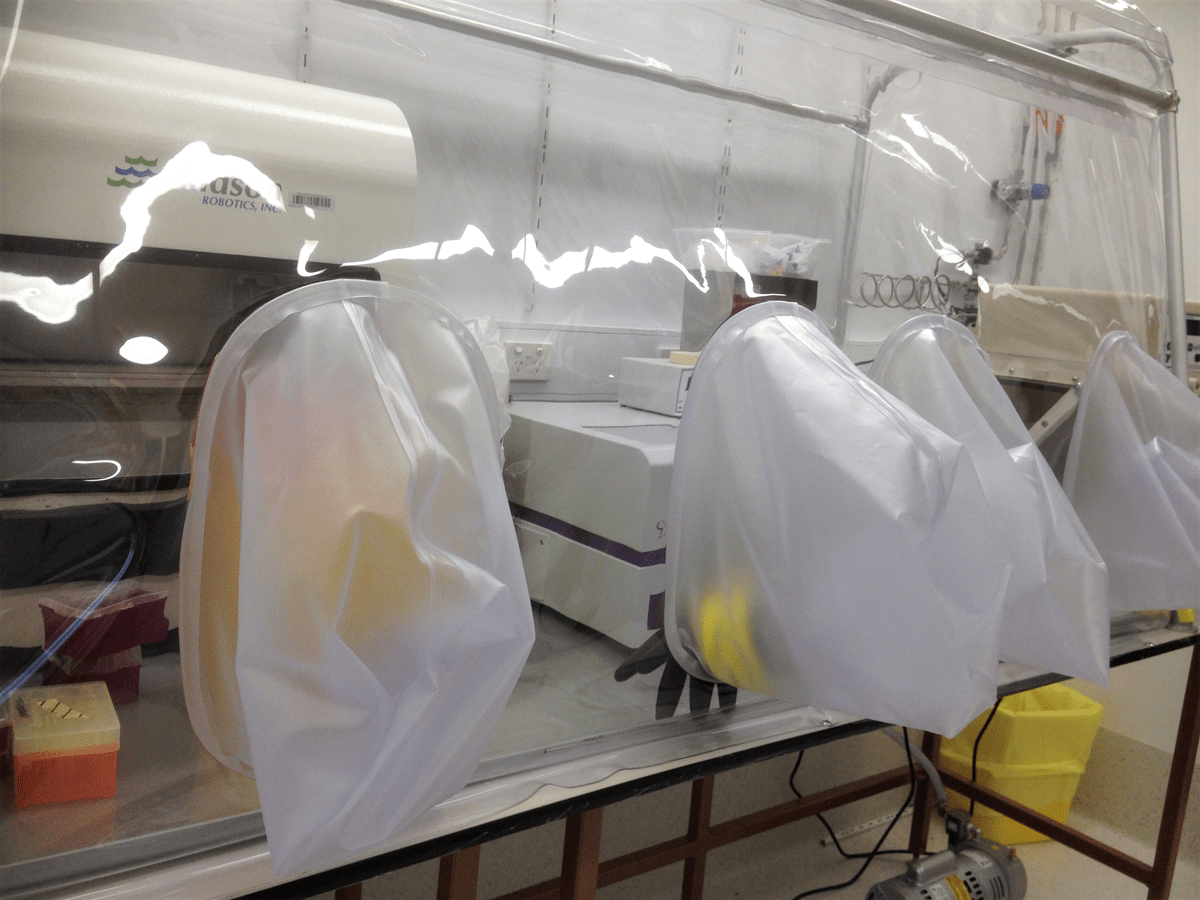
Whilst the FLUOstar Omega’s O2 and CO2 atmospheric control can reduce to as little as 0.1%, growth assays of obligate anaerobic gut bacteria require an absolute anaerobic environment which is made possible by placing the FLUOstar Omega microplate reader in an anaerobic chamber from COY. Using this anaerobic setup, the Diamantina Institute’s Microbial Biology and Metagenomics group are isolating and screening new gut bacteria which may provide further insights into the functional role of the human gut microbiota in influencing human health.
Most flexible Plate Reader for Assay Development
Upgradeable single and multi-mode microplate reader series
Flexible microplate reader with simplified workflows
Learn about the bacterial endotoxin test (BET test) and its role in ensuring the safety of pharmaceuticals, biologics and medical devices.
The monocyte activation test is a cell-based assay used to detect pyrogens. Learn more about the monocyte activation test and how microplate readers can support these crucial tests for quality control and bioanalysis.
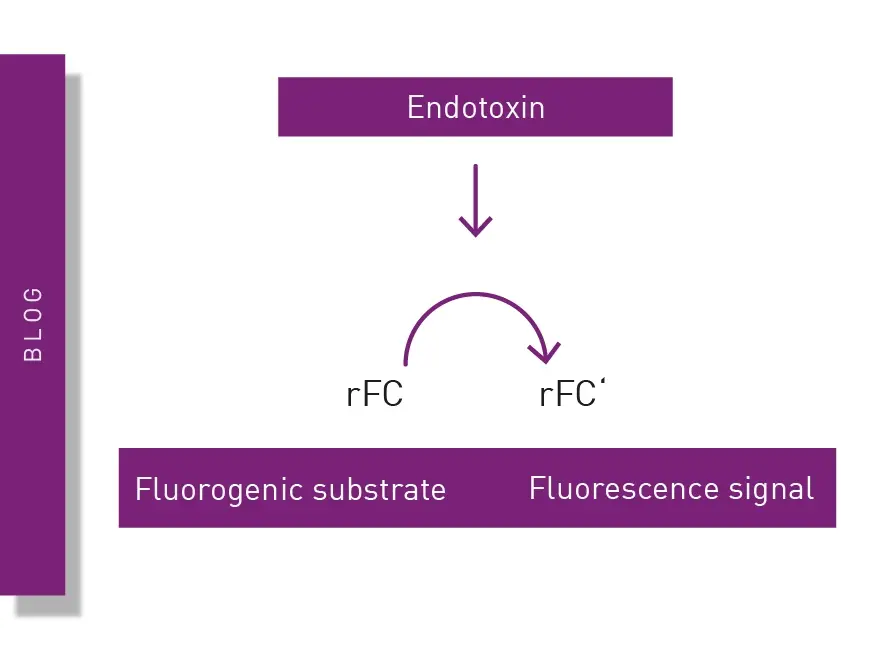
The recombinant factor C (rFC) test is used to detect bacterial endotoxins that can cause fever and adverse events when introduced into the body. Learn about the rFC test and the advantages it offers for endotoxin detection in the life sciences.
Pyrogen tests are vital to ensure the safety of different health interventions including pharmaceuticals, medical devices and an array of biological products. This blog looks at the different types of pyrogens as well as some of the widely used pyrogen tests.
Learn about applications for bacterial metabolism on a microplate reader.
Gene reporter assays are sensitive and specific tools to study the regulation of gene expression. Learn about the different options available, their uses, and the benefits of running these types of assays on microplate readers.