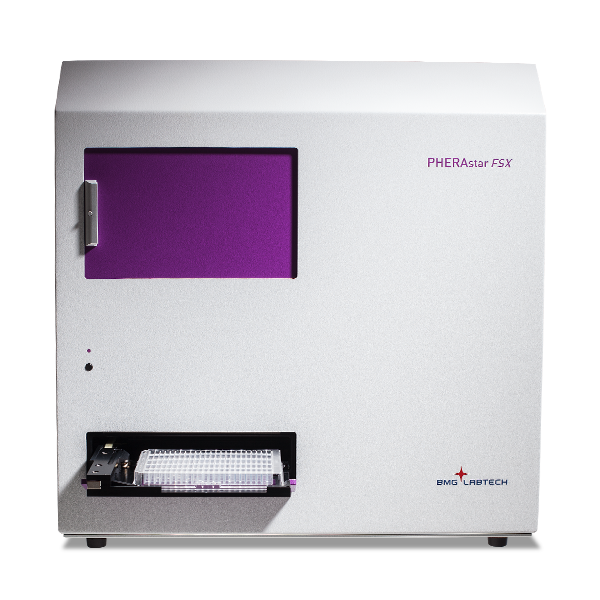
PHERAstar FSX
Powerful and most sensitive HTS plate reader





Dr. Martin Mangold works as an Applications Specialist at BMG LABTECH headquarters in Ortenberg, Germany. He studied biology with a focus on biochemistry and cell biology at the University of Bonn before specializing in pharmaceutical sciences and drug interactions in his doctoral studies. During his time in the pharmaceutical department, Dr. Mangold gained expertise in protein sciences, binding and interaction studies, and enzyme kinetics as part of an interdisciplinary team of chemists, pharmacists and biologists. Since 2021, Dr. Mangold has been part of the BMG LABTECH team where he authors application notes, performs training courses and supports scientific customers.

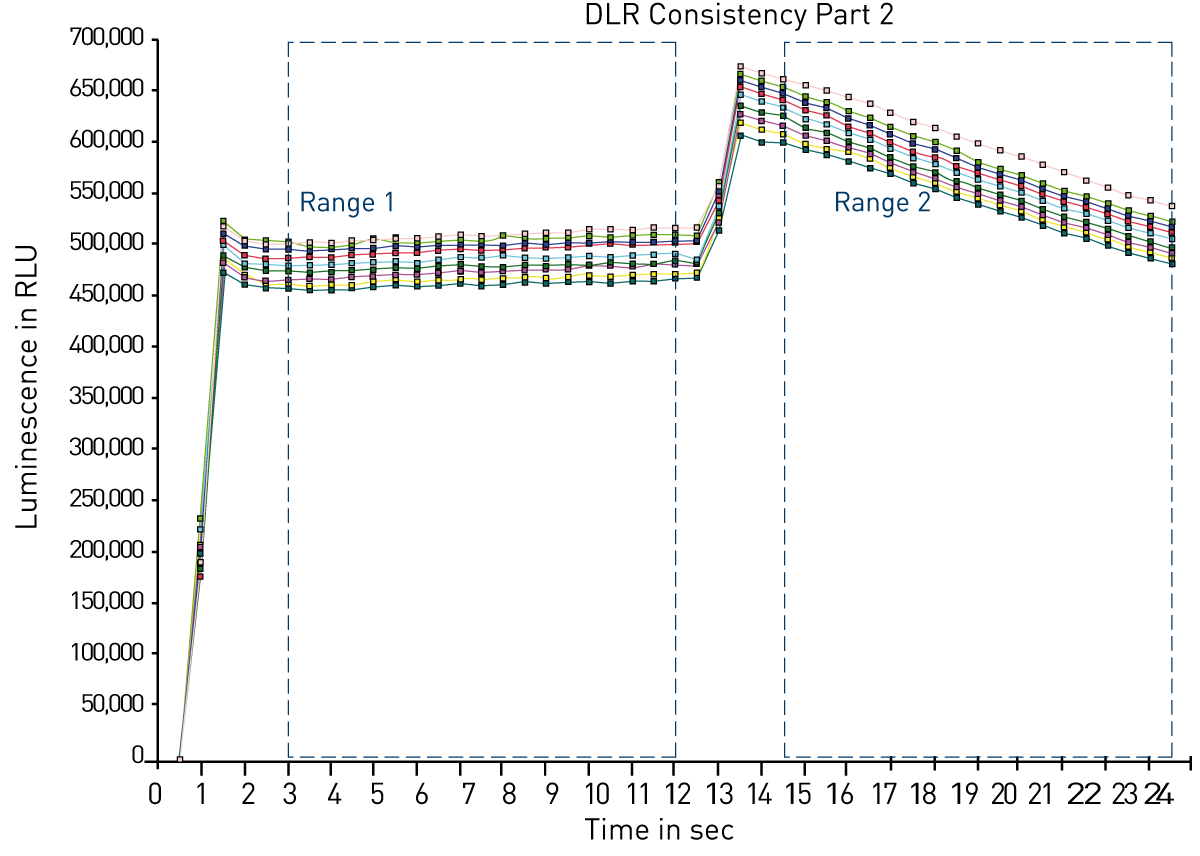
The Dual-Luciferase® Reporter (DLR™) assay system from Promega Corp. provides a luminescent reporter assay to study gene transcription and regulation. The activities of two luciferases are measured sequentially from a single sample by a luminescence plate reader reporting the transcription of the gene of interest and a transfection control.

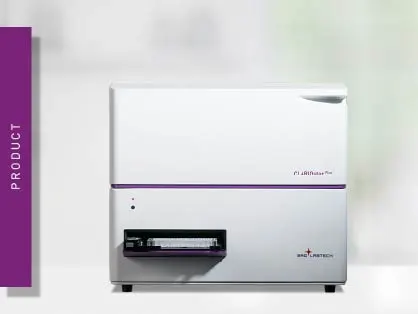
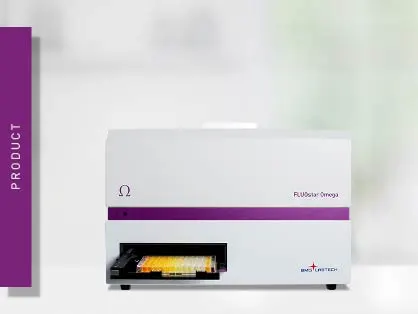
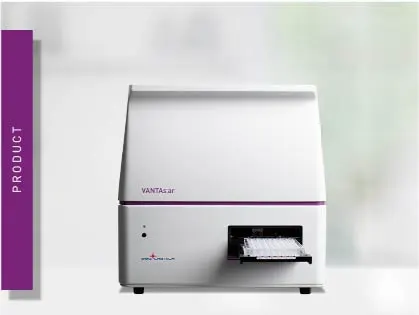
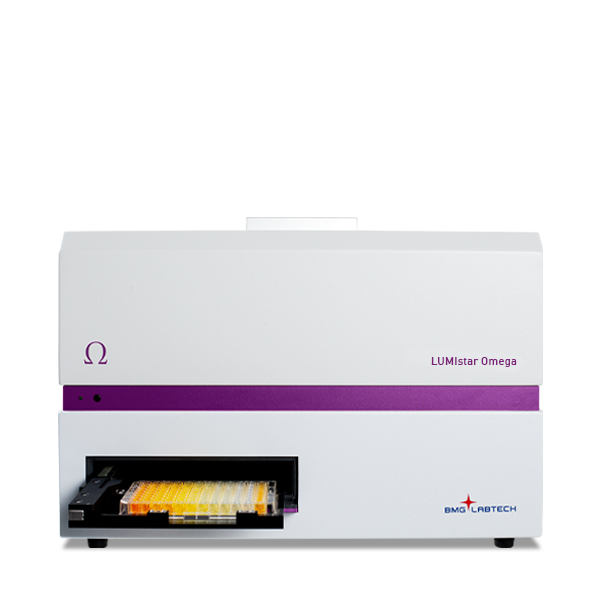
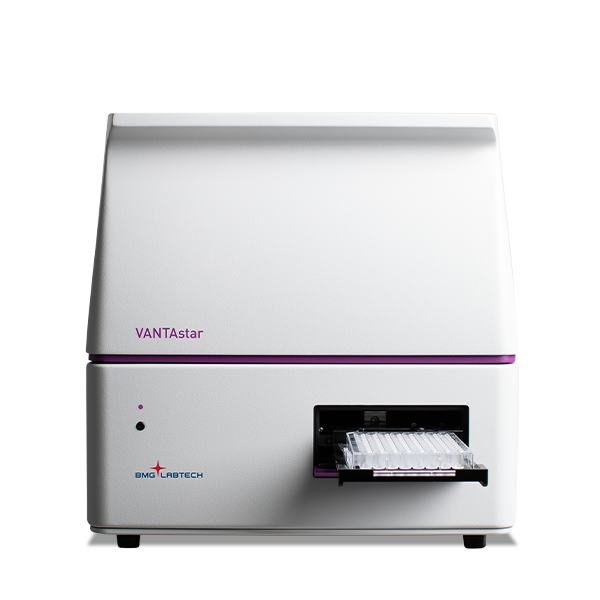
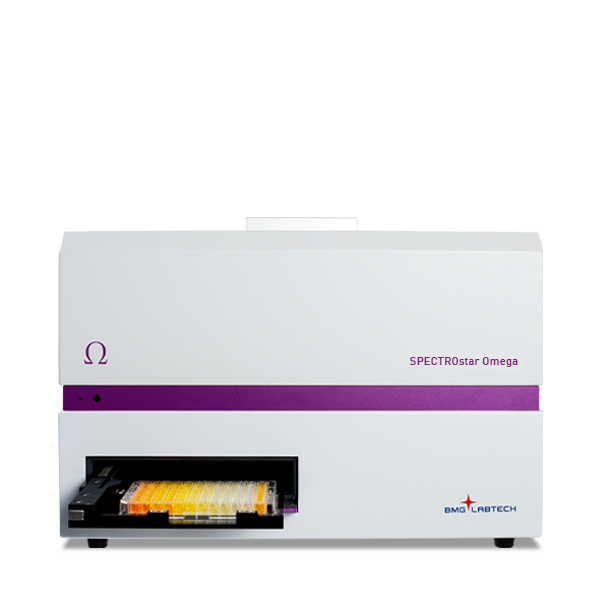
Both assays can be completed in about 4 seconds using a luminometer with reagent auto-injectors, such as in the Omega series, VANTAstar®, CLARIOstar®, and PHERAstar® FSX microplate readers. In the DLR™ assay system, both reporters yield linear assays with attomole sensitivities and no endogenous activity in the experimental host cells. Furthermore, the integrated format of the DLR™ assay provides rapid quantitation of both reporters either in transfected cells or in cell-free transcription/translation reactions.
Using additional luciferases, with different emission peaks allow to set up huge luminescence multiplexing approaches using six different readouts. With the help of the CLARIOstar or VANTAstar and their luminescence spectral scanning feature, ideal combinations of different luciferase to be used in the same run can be identified.
Powerful and most sensitive HTS plate reader
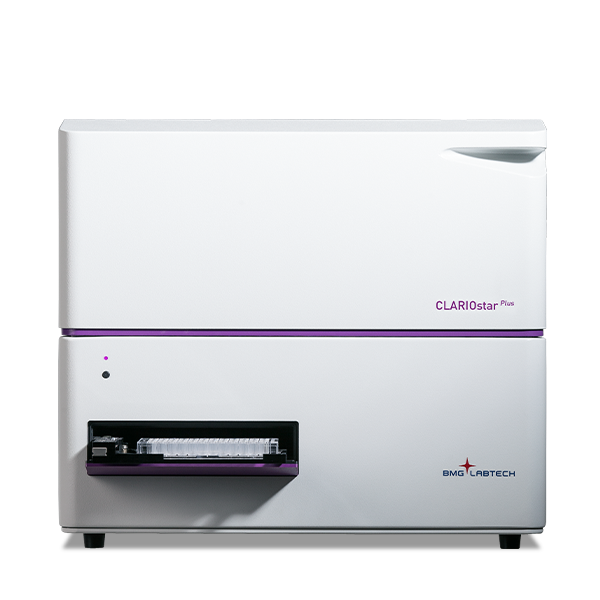
Most flexible Plate Reader for Assay Development
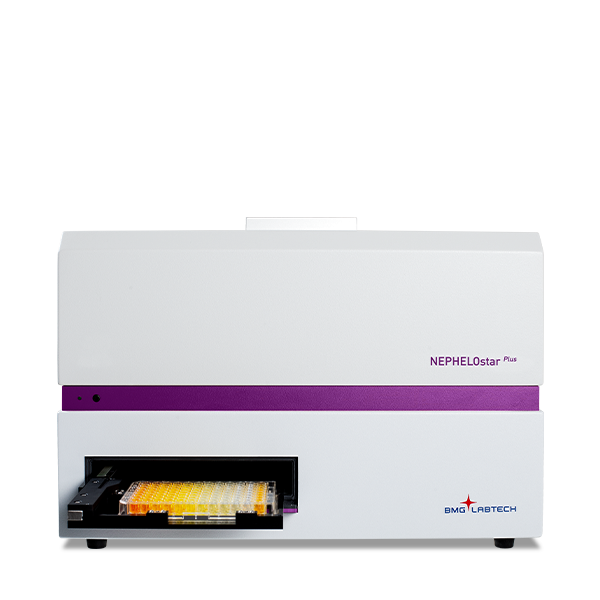
Upgradeable single and multi-mode microplate reader series
Flexible microplate reader with simplified workflows
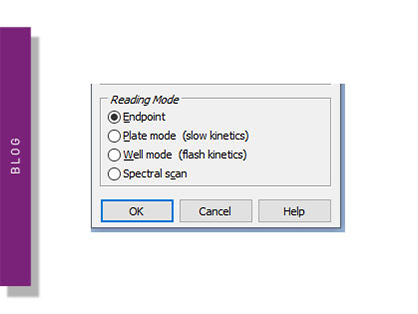
Endpoint and kinetic mode assays are used by scientists to study many processes in the life sciences. Learn about endpoint and kinetic modes on a microplate reader.
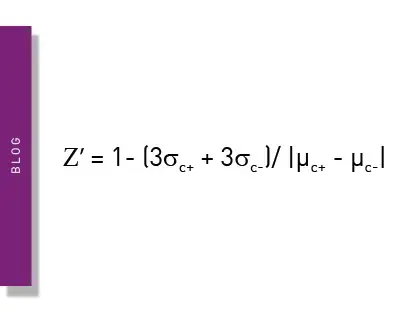
The Z prime value (Z’) is a statistical parameter that can provide practicable information on the quality of an assay. This blog looks at its usage and describes some examples of specific applications.
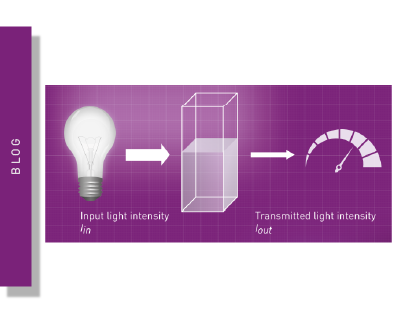
Optical density and absorbance measurements are widely used in the life sciences. This blog looks at practical applications and some of the fundamentals.
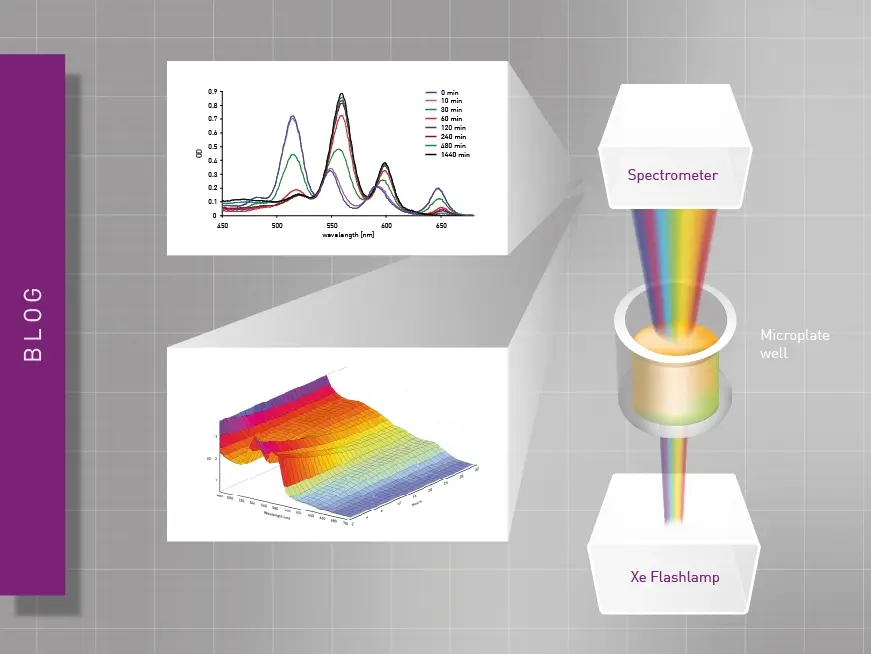
Researchers have different technology options available for absorbance measurements. This blog compares spectrometers and monochromators. What’s the difference?
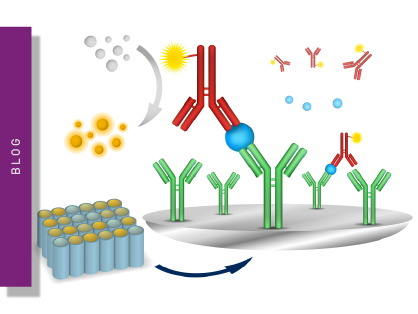
ELISAs are a popular tool to detect or measure biological molecules in the life sciences. Find out how microplate readers can be used to advance research using immunoassays.
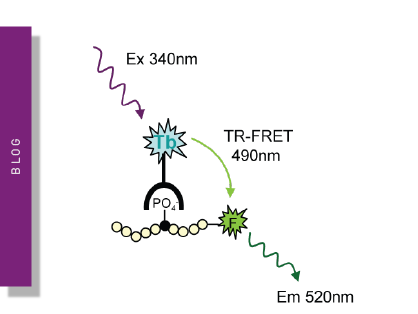
LanthaScreen is a TR-FRET technology which can be used to measure kinase activity, compound binding, and post-translation modification events. Read more about this type of assay here.