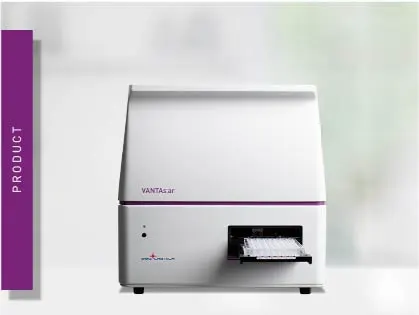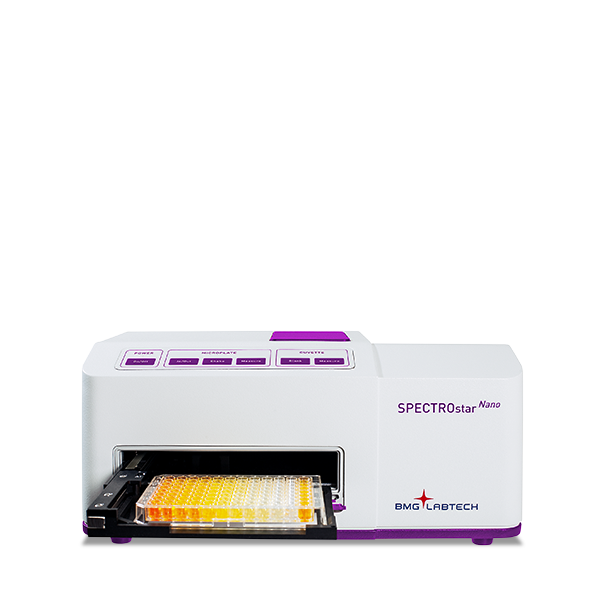
SPECTROstar Nano
Absorbance plate reader with cuvette port





Tobias Pusterla’s scientific background spans veterinary biotechnology, cancer cell biology, and the molecular mechanisms underlying inflammation‑driven tumorigenesis. After graduating in Veterinary Biotechnology at the University of Milan, Italy, he worked in mouse mutagenesis before completing a Ph.D. in Cellular and Molecular Biology through a joint program between the Open University of London, UK and the San Raffaele Scientific Institute, Milan, Italy. He later conducted postdoctoral research at the German Cancer Research Center (DKFZ) in Heidelberg, Germany, focusing on tumor biology, the tumor microenvironment, and the role of chronic inflammation in cancer development. His scientific work has contributed to understanding how damage‑associated molecular signals drive immune activation, cell migration, inflammation, and tumorigenesis, helping to clarify fundamental pathways linking cellular stress responses to physiological and pathological outcomes. After more than 13 years of research experience, he joined BMG LABTECH in 2013. Here, he oversees global marketing activities, including the creation of scientific content and the coordination of application support.

The team at Venomtech have released AN251: Identification of novel haemoglobin-modifying activity in snake venom libraries with BMG LABTECH that discusses their work studying the effect of different snake venoms on mammalian hemoglobin. They found that the venom from different species of snake had varying effects on the absorbance spectrum of rabbit hemoglobin when measured at 0 hours and after 16 hours.
Venom taken from snakes in the Viperidae family had the strongest effect on the hemoglobin; at 0 hours the absorbance spectrum showed 2 peaks characteristic of oxyhemoglobin (HbO2). Following treatment, the spectrum shifted to indicate the presene in the sample of methemoglobin (oxidised hemoglobin) rather than oxyhemoglobin.
A similar technique has been used in a completely different field to investigate the use of hemoglobin spectra to determine the age, and so time of deposition, of bloodstains at a crime scene. Studies have looked at the shift in the wavelength of a characteristic peak in the hemoglobin absorbance spectrum of dried bloodstains left for differing periods of time. Comparing this to this to the time since deposition has shown that it is possible to determine this to within hours.
These studies illustrate two very different applications that one assay can be used for. The use of a plate reader to automate the measurement and data recording of both of these is useful to the researchers to speed up and increase the amount of data acquisition, but would be invaluable were either of these techniques to be used in an industrial environment, such as a forensic laboratory at a crime scene.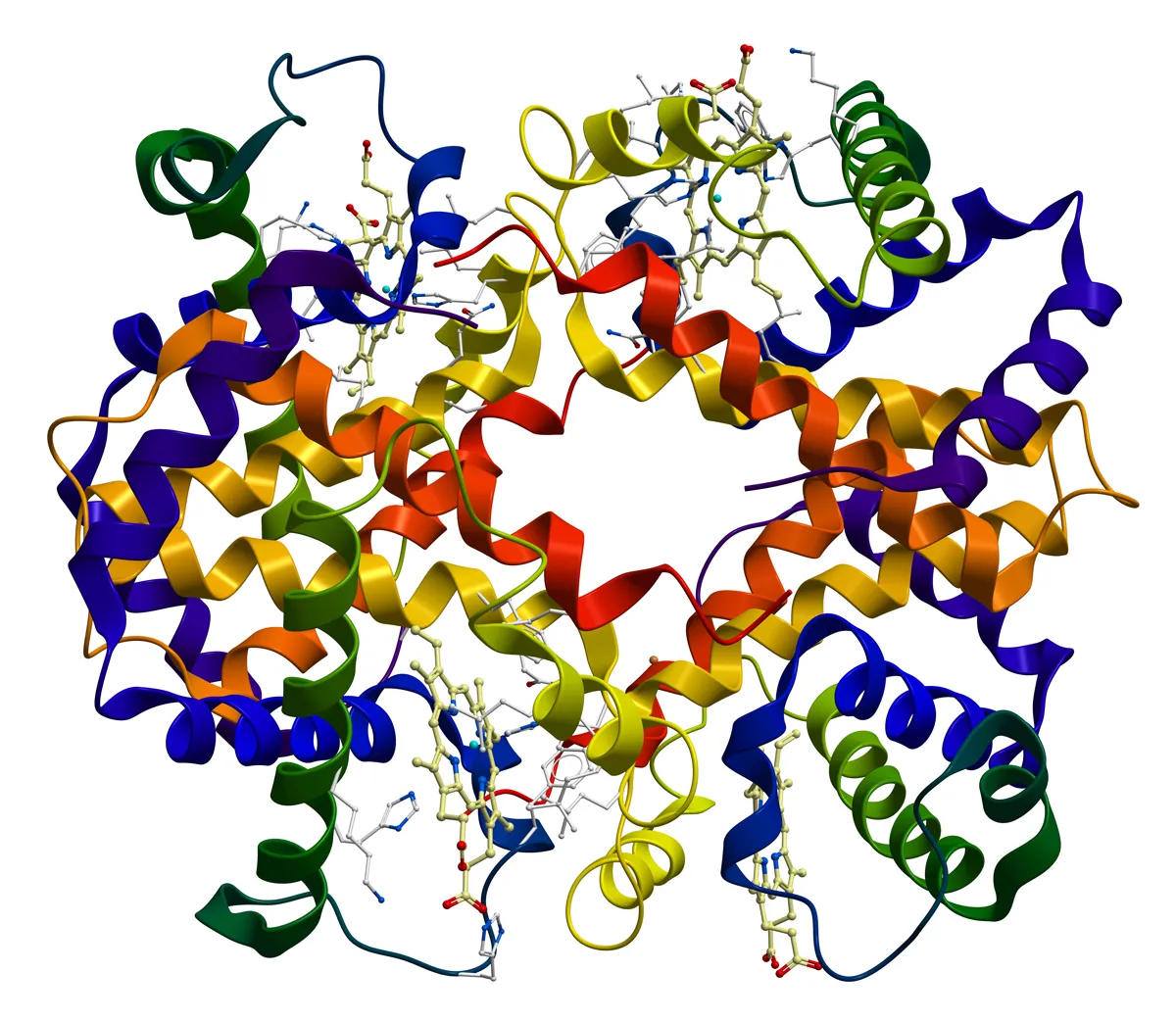
Absorbance plate reader with cuvette port
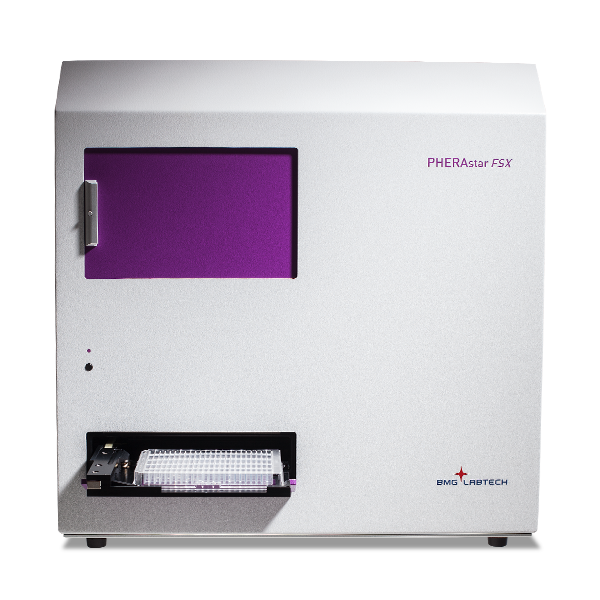
Powerful and most sensitive HTS plate reader
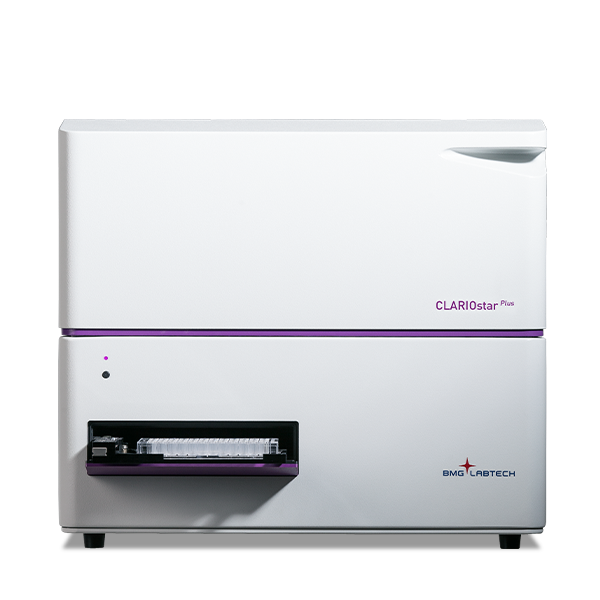
Most flexible Plate Reader for Assay Development
Upgradeable single and multi-mode microplate reader series
Flexible microplate reader with simplified workflows
Binding constants quantify the strength of a binding reaction between a biomolecule and its target (ligand). But how do you measure them and what can you do with them?
Receptor-ligand kinetics is the study of the rates at which receptors and ligands interact, bind and dissociate. Learn why these types of measurements are important and how to measure them.
Receptor-ligand interactions are crucial for cell signalling. They are also important for drug discovery. How do microplate readers deliver benefits to both?
Gene reporter assays are sensitive and specific tools to study the regulation of gene expression. Learn about the different options available, their uses, and the benefits of running these types of assays on microplate readers.
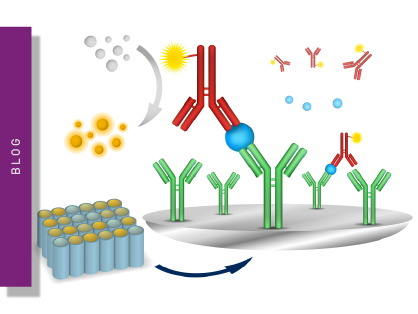
ELISAs are a popular tool to detect or measure biological molecules in the life sciences. Find out how microplate readers can be used to advance research using immunoassays.
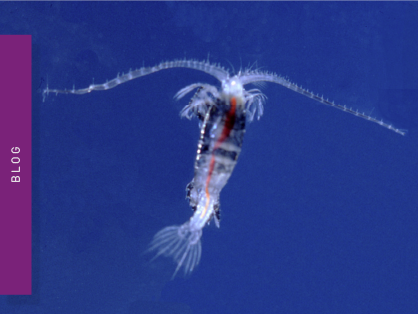
Life in the depths of the ocean operates under extreme conditions. Find out how proteins from deep-sea luminescent organisms are useful for measurements on microplate readers.