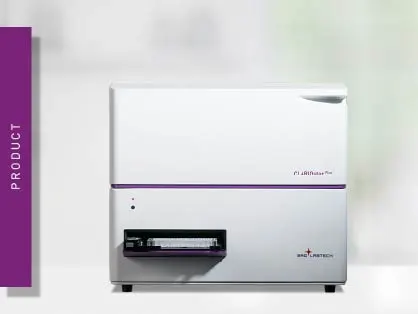
CLARIOstar Plus
Most flexible Plate Reader for Assay Development

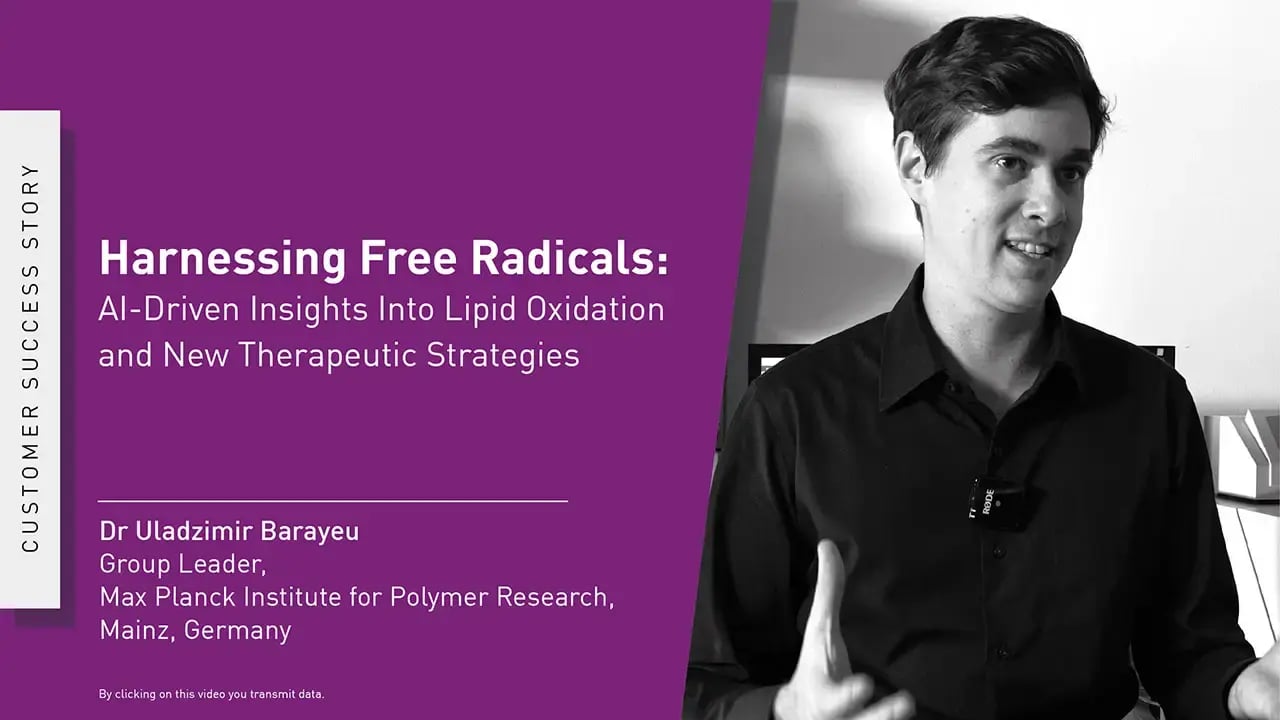
At the Max Planck Institute for Polymer Research, the Redox and Radical Biology group combines AI driven modeling, automated liposome preparation, and plate reader assays to understand and control lipid oxidation.
The Redox and Radical Biology group at the Max Planck Institute for Polymer Research investigates the mechanisms of lipid oxidation and its consequences for cellular function and disease. Free radicals are continuously produced in biological systems through metabolic activity and mechanical stress, and their interactions with membrane lipids can contribute to oxidative damage, altered signaling, and regulated cell death. Dysregulated lipid oxidation is implicated in a range of pathological conditions.
The group uses AI‑based simulations to predict small molecules that modulate radical‑driven lipid oxidation, either by inhibiting membrane damage or by selectively promoting oxidative stress. The latter strategy is of particular interest for cancer research, where targeted lipid oxidation can be exploited to induce cancer cell death.
Experimental validation is performed using synthetic liposomal membranes as simplified models of cellular membranes. Automated liposome preparation ensures high reproducibility and enables quantitative fluorescence‑based kinetic measurements of lipid oxidation. These assays are subsequently translated to cell‑based systems, allowing lipid oxidation to be induced and monitored under physiologically relevant conditions.
Most flexible Plate Reader for Assay Development

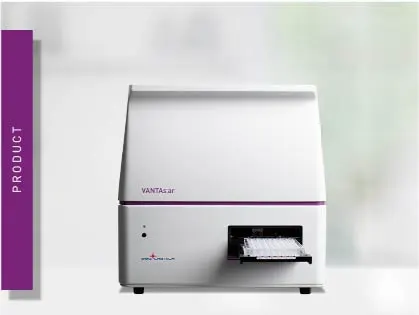
Flexible microplate reader with simplified workflows
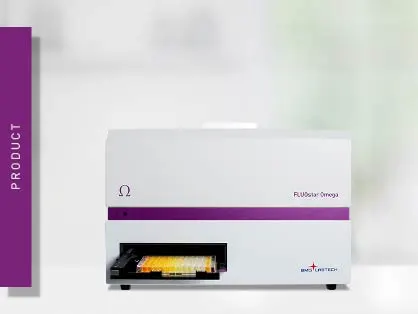
Upgradeable single and multi-mode microplate reader series